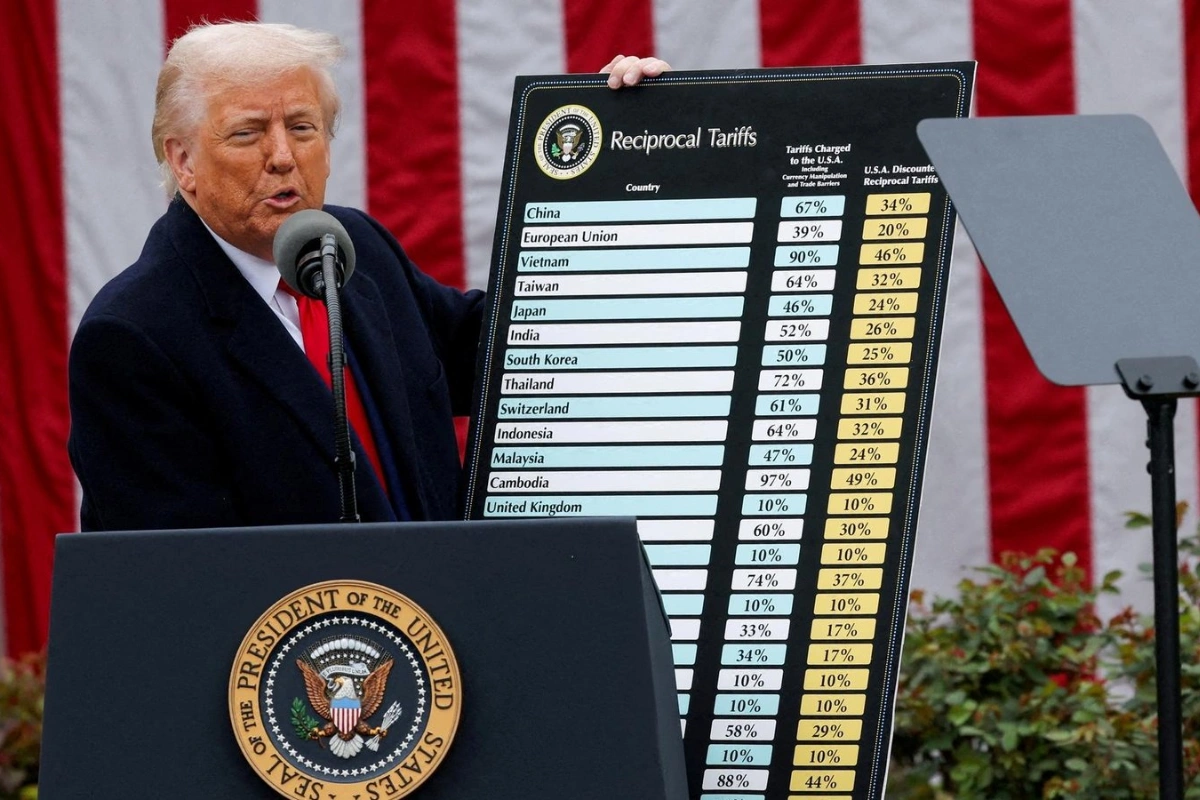
Trumps Greenland Tariff: In a dramatic trade pressure, US President Donald Trump has announced a 10% tariff on imports from Denmark, Norway, Sweden, France, Germany, the UK, the Netherlands, and Finland, effective February 1. The tariff is set to rise sharply to 25% from June 1.
Trump made it clear that the tariffs are directly linked to negotiations over Greenland, stating bluntly, “It is time for Denmark to give back.”
The tariffs, according to the announcement, will remain in force until the United States reaches a deal to buy Greenland.
Greenland at the Centre of the Dispute
Greenland, an autonomous territory within the Kingdom of Denmark, has long been of strategic interest to the US due to its location in the Arctic and its natural resources. Trump has repeatedly expressed interest in acquiring the island, framing it as a matter of national and global security.
This latest move marks the most aggressive step yet, using trade penalties to push European allies toward negotiations.
Denmark and Allies Push Back
Trumps Greenland Tariff: Denmark swiftly rejected the premise of the tariff-linked demand. In an official response, Danish authorities stated that Greenland’s future is not up for sale and remains a decision for the people of Greenland and Denmark.
The statement also emphasised that Arctic security is a shared NATO responsibility, particularly amid rising concerns over Russian activity in the region. Danish officials criticised the use of tariffs against allies, calling it “completely wrong” and counterproductive to collective security.
They confirmed that the issue will be taken up directly with the US administration.
NATO Unity Under Strain
The tariff announcement has raised concerns across Europe about the future of US–Europe relations. Applying economic pressure on NATO allies over territorial issues is seen by many analysts as an unprecedented move that could strain alliance cohesion.
Several European economies affected by the tariffs are key US trading partners, raising fears of retaliatory measures if the standoff continues.
Whether European nations will engage in negotiations remains uncertain. For now, the response suggests firm resistance rather than compromise.