

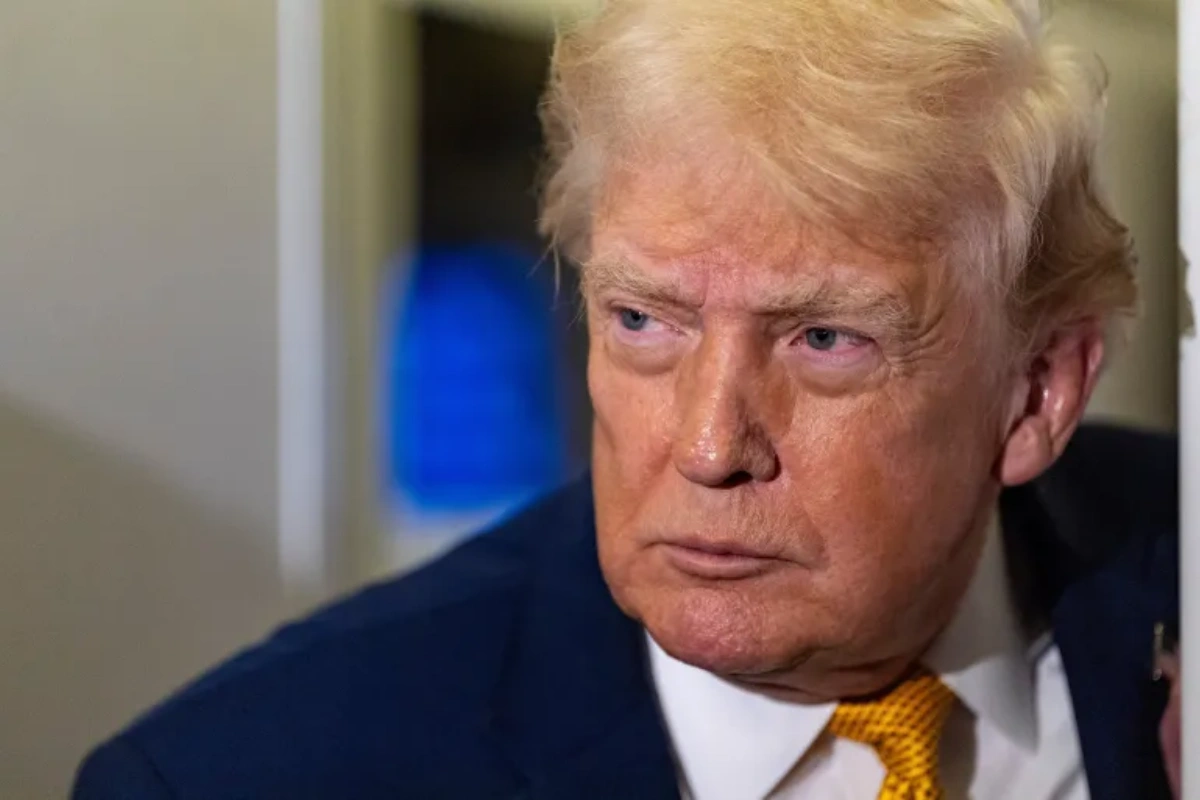
Donald Trump: The decision was taken under U.S. President Donald Trump, whose foreign policy approach has consistently focused on putting America’s interests first. His administration has favoured national control and domestic economic priorities over global agreements, moving away from international treaties and organisations it believes place limits on U.S. independence or economic growth.
“After US Withdraws From 66 Organisations” – What Exactly Happened?
The United States is stepping away from 66 international organisations, almost half of which are linked to the United Nations. These bodies work across key areas such as climate change, environmental protection, public health, human rights, and global development. Notably, the U.S. is also exiting major climate institutions like the UNFCCC and the IPCC, which have long played a central role in shaping global climate talks and providing scientific guidance.
DON'T MISS
“Will Climate Change Take a Worldwide Hit ?” – How This Affects Climate Efforts
Experts caution that stepping away from the UNFCCC and the IPCC may reduce the United States’ influence and financial role in shaping global climate policy. These organisations form the backbone of annual COP climate summits and help coordinate action among nearly 200 countries. Without active U.S. involvement, efforts to cut global emissions and fund climate initiatives could lose momentum, with developing nations likely to feel the impact most.
“Consequences Explained” – Broader Impact Beyond Climate
The withdrawal has multifaceted implications:
- Global cooperation: Potentially undermines trust and collaboration with other nations tackling climate and environmental issues.
- Climate science and policy: The IPCC’s scientific assessments are central to understanding climate trends; U.S. absence may weaken policy influence.
- Funding and support: The U.S. has historically been a key funder of climate programmes; its exit could reduce resources available for climate adaptation and mitigation, particularly in poorer countries.
- Geopolitical shifts: Other nations and alliances may fill leadership gaps, altering global dynamics on climate and development.
The departure from 66 organisations is one of the most dramatic steps taken by a sitting President of the United States to roll back on global engagement. The fact that this includes leaving major frameworks that deal with climate change, puts at risk the prospect of coordinated, collaborative and financially supported international climate actions. Thus, how countries respond will define future international climate action.


