

US Israel Iran War: Even though the war between the US, Israel, and Iran is happening thousands of kilometres away, it could have an instant effect on India’s economy. It might be hard to avoid the effects, which can be seen everywhere from petrol stations to mandis and from stock markets to home kitchens.
DON'T MISS
Prices of fuel: The Pressure Point Right Now
US Israel Iran War: India gets more than 85% of its crude oil from other countries. A lot of this oil goes through the Strait of Hormuz, which is a small but very important shipping route around the world. Any trouble there could make crude prices go up around the world.
India’s trade bill goes up when the price of crude oil goes up. That could lead to higher prices for gas and diesel, higher costs for transportation and more inflation. Margin may go down in the industrial, logistics, and aviation sectors. Oil marketing companies like Indian Oil Corporation can handle short-term changes, but long-term instability could put a strain on the government’s funds.
Supply risks for fertiliser: how they affect farming
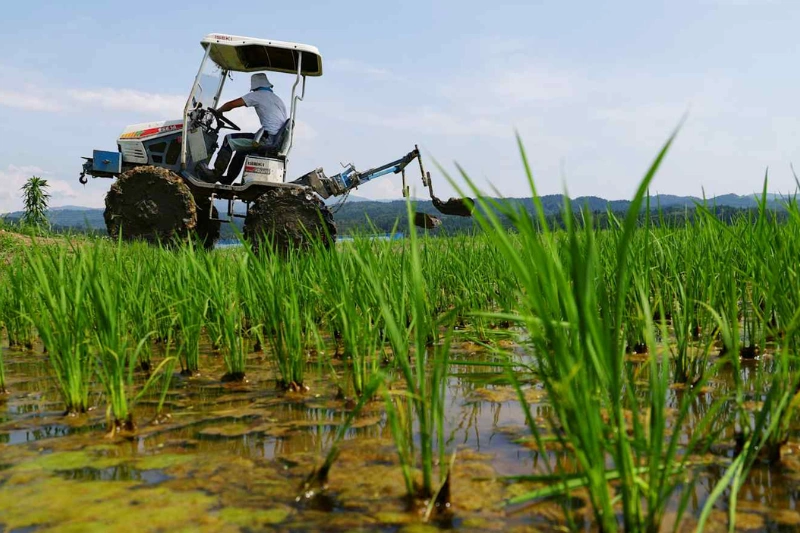
The Gulf is necessary for many fertilisers, including ammonia and urea. If they cannot source these materials, it will cost more for manufacturers to produce goods and may create additional pressure on the government to fund subsidies for farmers.
Farmers will then pay more for all their inputs. In turn, if the cost of fertiliser is increased due to excess demand, this will further increase the demand for produce in rural areas, where both monsoon behaviour and crop prices have already affected domestic agricultural supply chains.
When crude oil prices rise, India will need to use more dollars (U.S. currency) per unit of oil to pay for the amount being purchased. This will weaken the rupee, raising prices on all goods, including electronics and cooking oils. The drop of the rupee will result in growth of the current account deficit. The volatility has a direct impact on investor confidence and impacts stock prices; this drives capital from developing countries like India out of the market when there is uncertainty in global markets.