


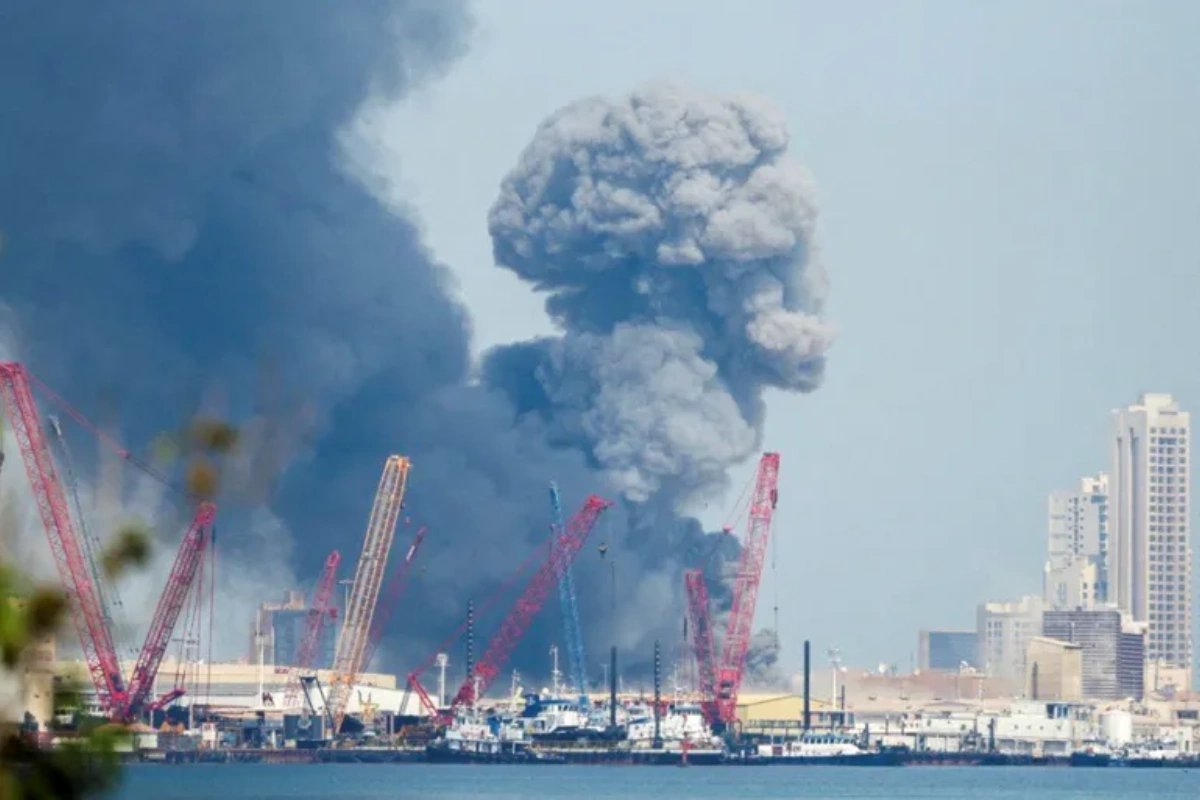
US Israel Iran War Fallout: The recent coordinated strikes by the United States and Israel on Iran have significantly escalated tensions in the Middle East. Reports claiming the killing of Iran’s Supreme Leader, Ayatollah Ali Khamenei, have intensified fears of a broader regional conflict. The developments have triggered urgent diplomatic activity and raised concerns about both global security and economic stability.
DON'T MISS
Security Concerns: Risk of Wider Conflict
World leaders, especially across Europe, are holding emergency meetings to assess the risk of escalation. France has called for an urgent session of the United Nations Security Council, stressing the need to prevent further destabilisation.
The European Union has reportedly begun precautionary evacuations of certain personnel from high-risk zones. Officials have warned that rising tensions could increase the risk of retaliatory attacks and further destabilise already fragile areas.
Security experts fear the conflict could expand beyond the Gulf region. If hostilities intensify, there could be refugee movements toward Europe, widespread destruction, and serious humanitarian consequences. The situation has heightened global anxiety over the possibility of a prolonged and multi-front war.
Economic Fallout: Oil, Inflation and Global Growth
US Israel Iran War Fallout: The economic implications are equally serious. One of the biggest concerns is potential disruption in the Strait of Hormuz, a key global oil transit route. Any blockade or instability there could cause oil prices to surge sharply.
Higher oil prices would increase fuel costs worldwide and fuel inflation. Economists warn that sustained price spikes could slow global economic growth and strain already fragile supply chains.
Central banks, including the US Federal Reserve, may find their policy flexibility reduced as they balance inflation control with growth concerns. Countries dependent on energy imports are expected to feel immediate pressure, with rising costs affecting businesses and households alike.
As tensions remain high, markets and governments worldwide continue to monitor developments closely, aware that prolonged instability could reshape global security and economic landscapes.