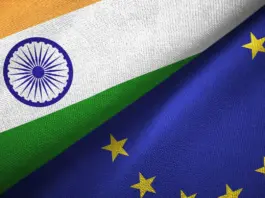
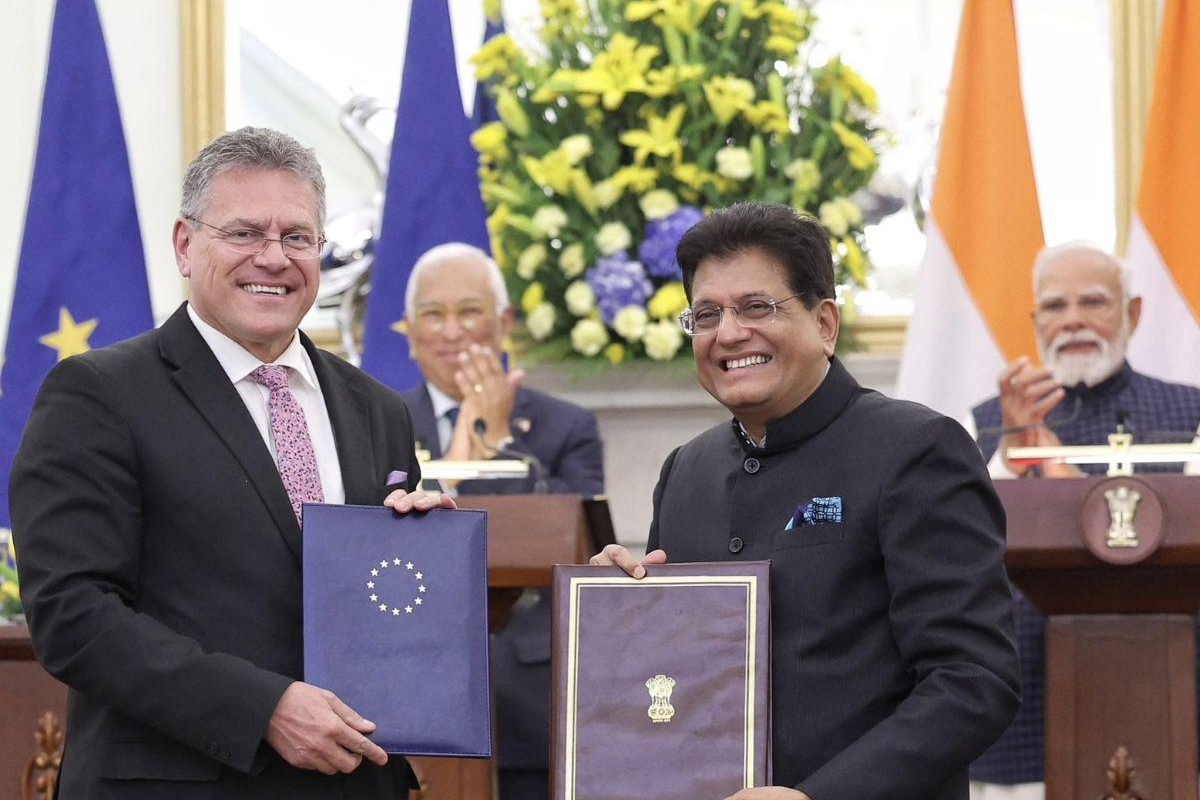
India has stepped up its global trade strategy following the conclusion of negotiations on a landmark Free Trade Agreement (FTA) with the European Union, marking one of the most ambitious trade expansions in its recent economic history. With the EU deal setting the tone, New Delhi is now advancing six other key trade agreements aimed at boosting exports, securing critical minerals, and reducing exposure to global tariff shocks.
DON'T MISS
India–EU FTA Sets a New Benchmark
The India–EU FTA, finalised at the 2026 summit, is expected to be formally signed later this year and come into force in 2027 after ratification. Once implemented, the agreement will eliminate or sharply reduce tariffs on nearly all traded goods—covering over 96% of EU exports to India and close to 99% of Indian exports to the EU. This is expected to significantly expand bilateral trade, currently valued at around $136 billion annually, while strengthening investment and supply-chain integration.
Six Trade Deals Move Into Focus
Building on the EU breakthrough, India is actively negotiating or concluding trade agreements with Oman, Peru, Chile, New Zealand, Israel, and Qatar. Each deal targets a specific strategic need—from expanding India’s footprint in the Gulf region to gaining access to critical minerals used in clean energy, electronics, and electric vehicles.
Talks with Oman have been completed, though the signing awaits procedural clearances. Negotiations with Peru and Chile focus heavily on securing mineral supply chains, while advanced discussions with New Zealand aim to diversify Indian exports. Separate agreements with Israel and Qatar are expected to broaden trade in goods, services, and technology, with Qatar targeting a sharp rise in bilateral trade by the end of the decade.
Shielding Against Global Trade Pressures
These FTAs are part of a broader effort to counter rising protectionism and tariff pressures, particularly from major economies. By diversifying markets and lowering trade barriers, India aims to reduce reliance on any single region while strengthening its negotiating position globally.