

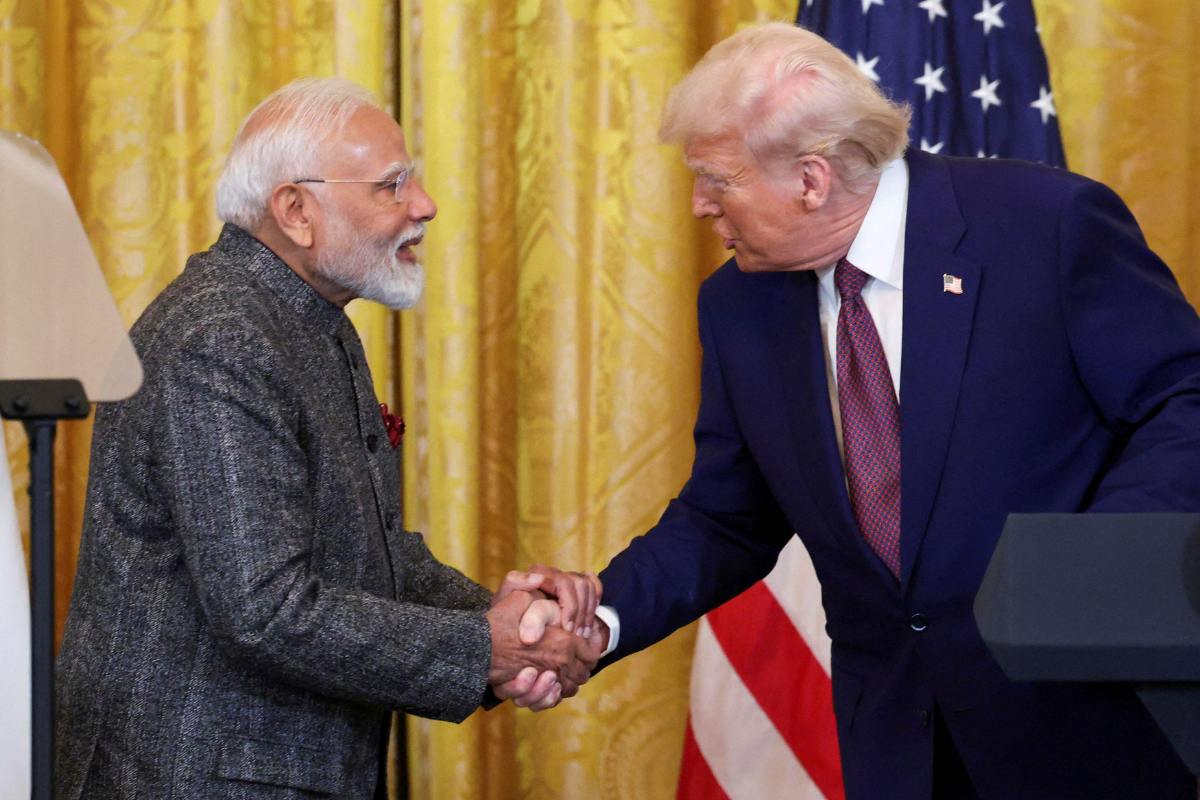
February 2, 2026, India and the United States announced a landmark bilateral trade agreement, reducing American reciprocal tariffs on Indian imports from twenty-five per cent to eighteen per cent. The agreement, credited to direct discussions between President Donald Trump and Prime Minister Narendra Modi, comes months after the India-European Union Free Trade Agreement, finalised in November 2025.
The tariff reduction immediately enhances the competitiveness of Indian exports in key sectors such as textiles, pharmaceuticals, and automobiles. With American tariffs on China at thirty-four per cent and Pakistan at nineteen per cent, India now enjoys a significant pricing advantage in North American markets.
DON'T MISS
Specific American Products India Will Buy More Of
Under the agreement, India has committed to purchasing more than five hundred billion United States dollars in American goods, including energy supplies, agricultural produce, coal, and technology equipment. This increased procurement aligns with Prime Minister Modi’s broader economic strategy, diversifying energy sources away from Russia while strengthening strategic relations with the United States. Economists highlight that rising imports from the United States could support India’s infrastructure and industrial growth while providing American exporters with a stable market.
How the India-European Union Free Trade Agreement Affects Bangladesh Garment Exports
The India-European Union Free Trade Agreement, often described as the “mother of all deals,” cuts tariffs on ninety-six per cent of traded goods, prioritising India’s textiles, chemicals, and information technology services. For Bangladesh, this development poses challenges. European buyers may shift orders to Indian garment manufacturers due to lower tariffs and streamlined customs procedures, potentially reducing Bangladesh’s market share in European Union countries.
Pakistan, Bangladesh, and China: Why Competitors May Suffer
The combined effect of the India-United States and India-European Union agreements creates a competitive disadvantage for neighbouring countries. Pakistan’s textiles and rice exports face reduced demand in the European Union and United States markets, while Bangladesh’s garment sector could see a diversion of orders. Even China may feel trade pressure as global supply chains pivot to tariff-friendly Indian products. Economists describe the dual agreements as a strategic realignment in global trade, favouring India.


