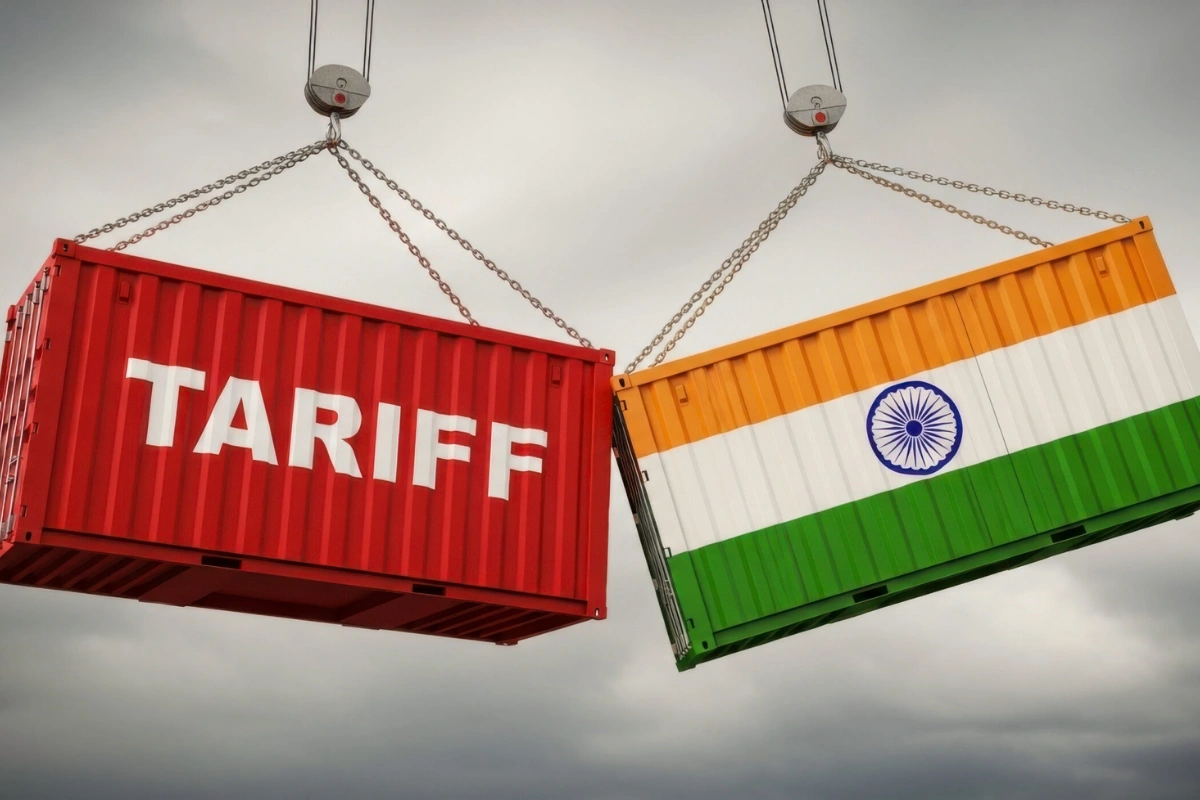
India US Tariff War: India has carried out a low-profile yet effective trade move against the United States by imposing a 30% import tariff on yellow peas. The decision was implemented without public statements or diplomatic confrontation, but its impact has been widely felt—particularly in the US agricultural sector.
The tariff came into effect on 1 November 2025, following a routine government notification issued on 30 October 2025.
India US Tariff War: How the 30% Tariff Works
India US Tariff War: The duty includes a 10% basic customs duty and a 20% agricultural infrastructure and development cess. The rule applies globally and does not single out any country by name.
However, the economic consequences were most severe for the United States. India is the world’s largest consumer of pulses, while the US is a major exporter, especially of yellow peas.
Why US Farmers Were Hit Hard
States like North Dakota and Montana, leading pulse producers, rely heavily on access to the Indian market. Once the tariff was enforced, US-origin yellow peas became more expensive.
The issue entered the public spotlight only in January 2026, when US Senators Kevin Cramer and Steve Daines wrote to Donald Trump, urging him to engage India and seek tariff relief.
Background of the Trade Tension
During Donald Trump’s first term as US President, trade discussions with Prime Minister Narendra Modi included requests for lower Indian tariffs on pulses. While some concessions were discussed earlier, later US tariff actions on Indian goods altered the trade balance.
India’s response, however, was not immediate or vocal. Instead, it came through a policy mechanism that was legal, WTO-compliant, and quietly executed.
India’s Message on Agriculture
American lawmakers described the move as “unfair.” Indian policymakers, however, view it as a legitimate step to protect domestic farmers.
The approach reflects a clear stance: Indian agriculture is non-negotiable. The strategy relied on policy precision rather than political messaging.