

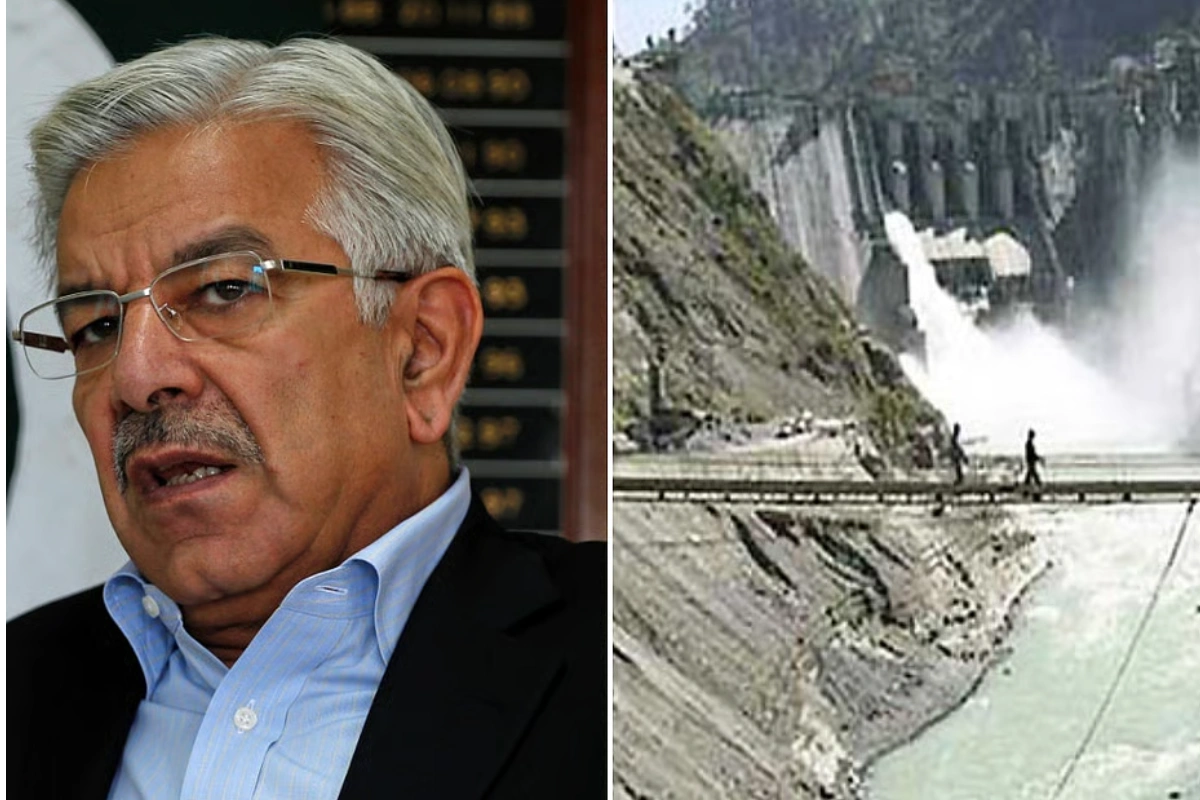
The Indus Waters Treaty between India and Pakistan has once again come into focus as both sides continue to express differing views on its implementation and broader regional security concerns. Pakistani leadership has urged for uninterrupted water sharing under the agreement, while discussions around cross-border terrorism and security remain a major point of friction.
DON'T MISS
Rising Diplomatic Exchange
Pakistani officials, including Defence Minister Khawaja Asif, have reiterated the importance of maintaining water flow under the treaty, highlighting its significance for agriculture and daily usage. At the same time, India has consistently raised concerns regarding cross-border terrorism and its impact on overall bilateral relations.
Security and Treaty Concerns
While the Indus Waters Treaty is widely regarded as one of the most successful water-sharing agreements in the world, tensions between the two countries have periodically affected dialogue. Security-related issues often influence diplomatic discussions, even though the treaty itself is designed to remain unaffected by political disputes.
Environmental and Climate Pressures
Climate change is significantly impacting the Indus river system, with rising temperatures causing faster glacier melt in the Himalayas and irregular rainfall patterns across the region. These changes are affecting the timing and volume of river flows, leading to both water shortages and sudden flooding in different seasons.
Need for Continuous Dialogue
Experts stress that ongoing communication between India and Pakistan is essential for the smooth functioning of the Indus Waters Treaty. Regular technical discussions help both sides share data, address concerns, and resolve disputes before they escalate. Continuous dialogue also builds trust, reduces misunderstandings, and ensures that emerging challenges such as climate change and infrastructure development are managed cooperatively rather than becoming sources of conflict.


