

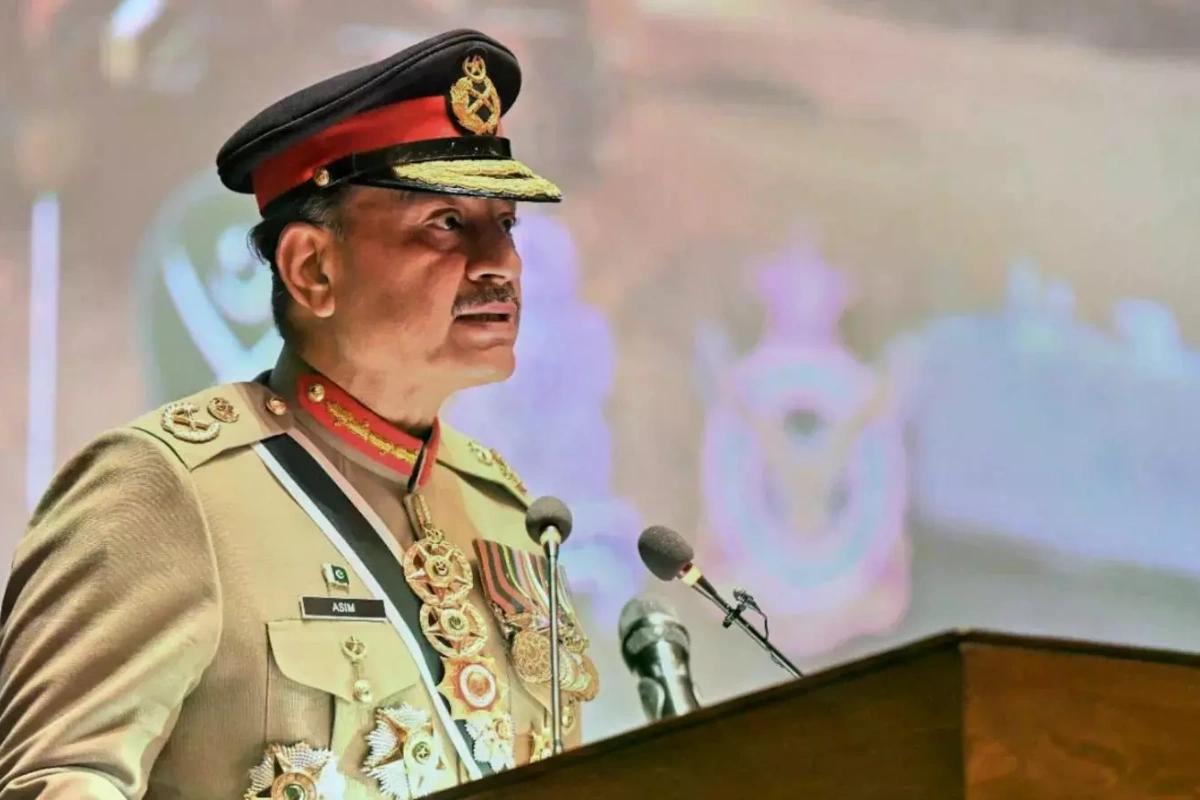
Pakistan’s military chain of command structure has undergone some serious changes after the National Assembly passed critical bills on military leaders and nuclear management. These changes have left Asim Munir as the key player in the changing military command chain in Pakistan. The aim of these changes in the legislation is the reform of the structure and command of the armed forces in the country as well as the nuclear forces in Pakistan.
DON'T MISS
Asim Munir as the Dominant Player
As per the new structure, Asim Munir can become one of the dominant players in the military command chain of Pakistan. The process has generated discussions regarding the centralization of the military authority and its impact on Pakistan’s political structure. Some might see the restructuring as a process to establish clarity in the command chain, whereas others might argue against it.
Nuclear Oversight Increases the Problem
Since the reforms are related to strategic and nuclear command, the developments become even more important. Nuclear weapons have always been an essential part of the regional security architecture; hence, any changes in the oversight regime may attract worldwide attention. The new laws go beyond being just a military reform since they may affect Pakistan’s civil-military relations and perception of its strategic decision-making process.
Is Pakistan Really on Its Way to Destruction?
To call the recent reforms the straight path to the destruction of Pakistan would be just an assumption, not a fact. Whether it would be or not will highly depend on how the powers will be used and on the response from Pakistan’s political and military authorities. Now, the recent developments signal a big shift in Pakistan’s command system. Since Asim Munir will get an increasingly influential position in the military, discussions about military power, accountability, and future prospects for the country will most likely continue.


