


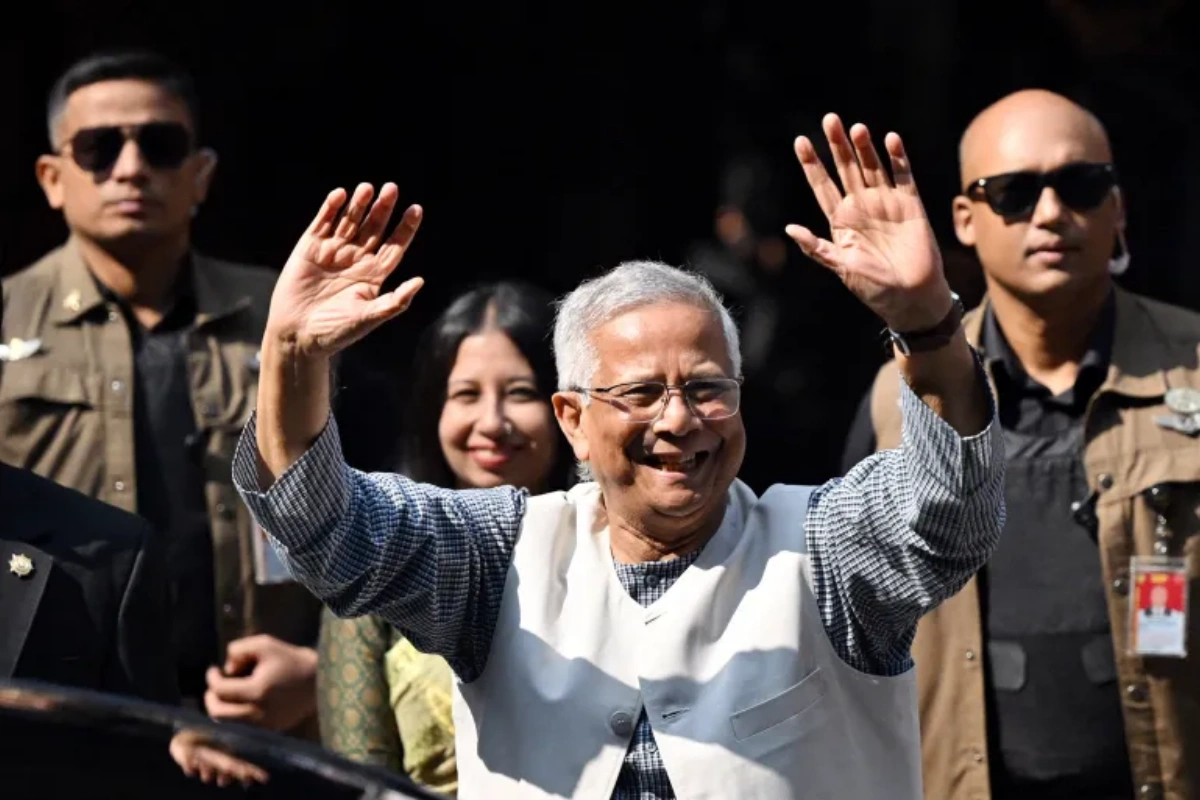
When Muhammad Yunus assumed leadership of Bangladesh’s interim government in August 2024 following the ouster of Sheikh Hasina, expectations were high. However, by late 2025, critics argue that economic instability, diplomatic tensions, and governance concerns had significantly dented the country’s global standing.
Here are five major issues that triggered sharp international criticism.
DON'T MISS
Economic Slowdown and Investor Confidence Erosion
Bangladesh’s GDP growth reportedly slipped below 3%, compared to over 6% in previous years. Inflation crossed double digits, while private investment dropped to a decade-low of 29.38% of GDP.
The garment sector — a backbone of the economy — witnessed factory closures and job losses. Critics link the downturn to weak banking oversight, rising non-performing loans, and limited foreign investment amid political uncertainty. As investor confidence dipped, Bangladesh’s image as a fast-growing emerging economy took a hit.
Diplomatic Strains With Key Global Powers
Foreign relations reportedly faced turbulence. Ties with India saw a strain over political comments and missed high-level engagements. Russia expressed concerns linked to the Rooppur Nuclear Plant project, while outreach to China yielded limited economic relief.
Observers suggest these diplomatic missteps portrayed Bangladesh as inconsistent in its foreign policy direction, weakening its strategic balance among global powers.
Corruption Allegations and Governance Concerns
Allegations of favouritism further intensified criticism. Regulatory exemptions and tax relief measures involving institutions linked to Yunus sparked debate over transparency. Reports of misuse of official privileges by advisers added to governance concerns.
These developments fueled narratives of cronyism at a time when reform and accountability were expected from an interim setup.
Law and Order and Reform Paralysis
Human rights groups reported rising mob violence, with hundreds of deaths by late 2025. Security concerns triggered investor hesitation, compounding economic stress.
Meanwhile, structural reforms in labour markets, environmental regulation, and trade reportedly stalled. Critics described the period as one where governance gaps overshadowed reform promises.