

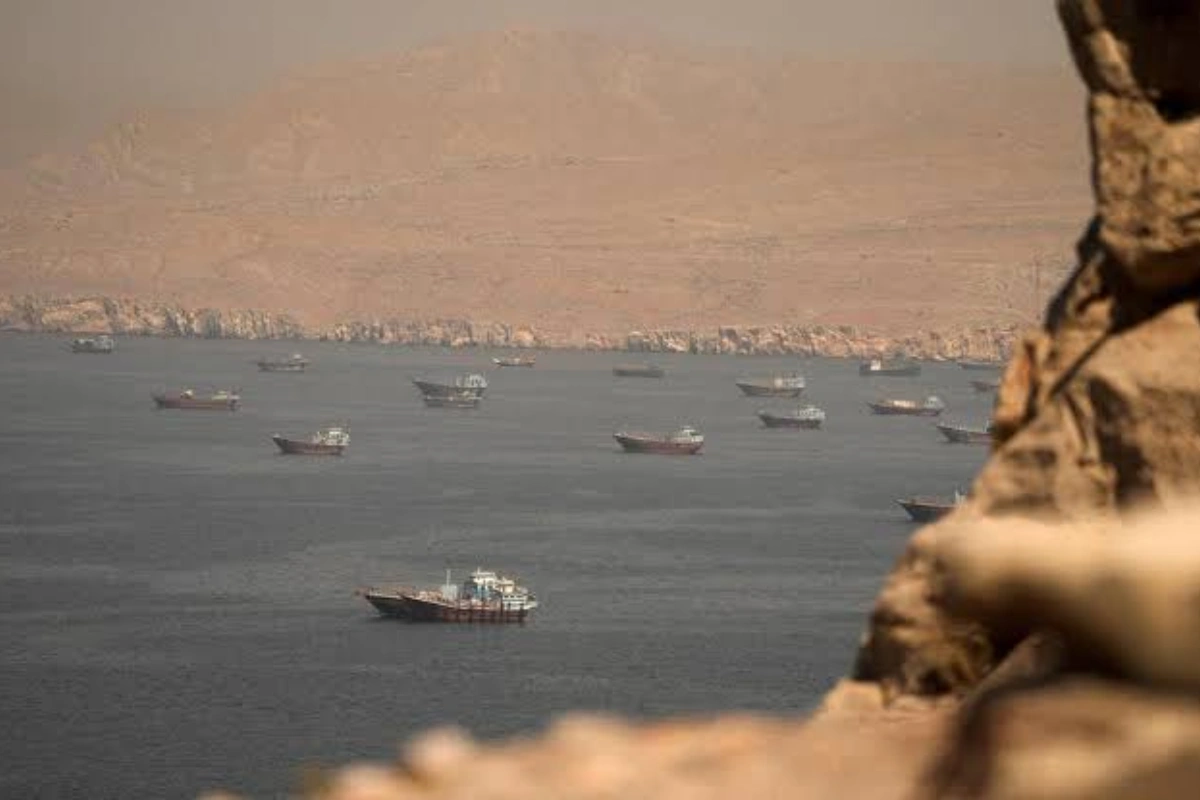
US Iran War:Oil markets worldwide have been hit by another wave of tension due to new incidents of military confrontation between Iran and the United States, which have sparked concerns about the possibility of further disruptions in the Strait of Hormuz region.
DON'T MISS
Why Is the Strait of Hormuz Important?
The Strait of Hormuz connects the Persian Gulf and the Gulf of Oman as well as the Arabian Sea. A major portion of all oil movements in the world normally go via this strait. Recently, the amount of maritime activity in the Strait has dropped significantly compared to previous levels due to the ongoing conflict.
Who Controls the Strait of Hormuz?
The answer is more complicated than simply saying Iran controls the waterway. The Strait runs through the territorial waters of both Iran and Oman, while its navigation is governed by international maritime rules. Iran has nevertheless claimed increasing operational control during the conflict, while the United States has maintained that international shipping should remain open. Iran’s Revolutionary Guards Navy recently claimed “full control” over the Strait and said restrictions would continue until its demands concerning US military actions are addressed. At the same time, US forces have been involved in securing shipping routes and responding to threats against commercial vessels.
Oil Prices Feel the Pressure
US Iran War: The renewed confrontation has quickly translated into higher oil prices. Brent crude moved above the $90 mark as markets priced in the possibility of longer disruptions to Middle Eastern energy supplies. The concern is not only about Iran’s own exports. Any sustained disruption through Hormuz could affect shipments from several major Gulf producers, increasing supply risks for refiners and consumers worldwide.