


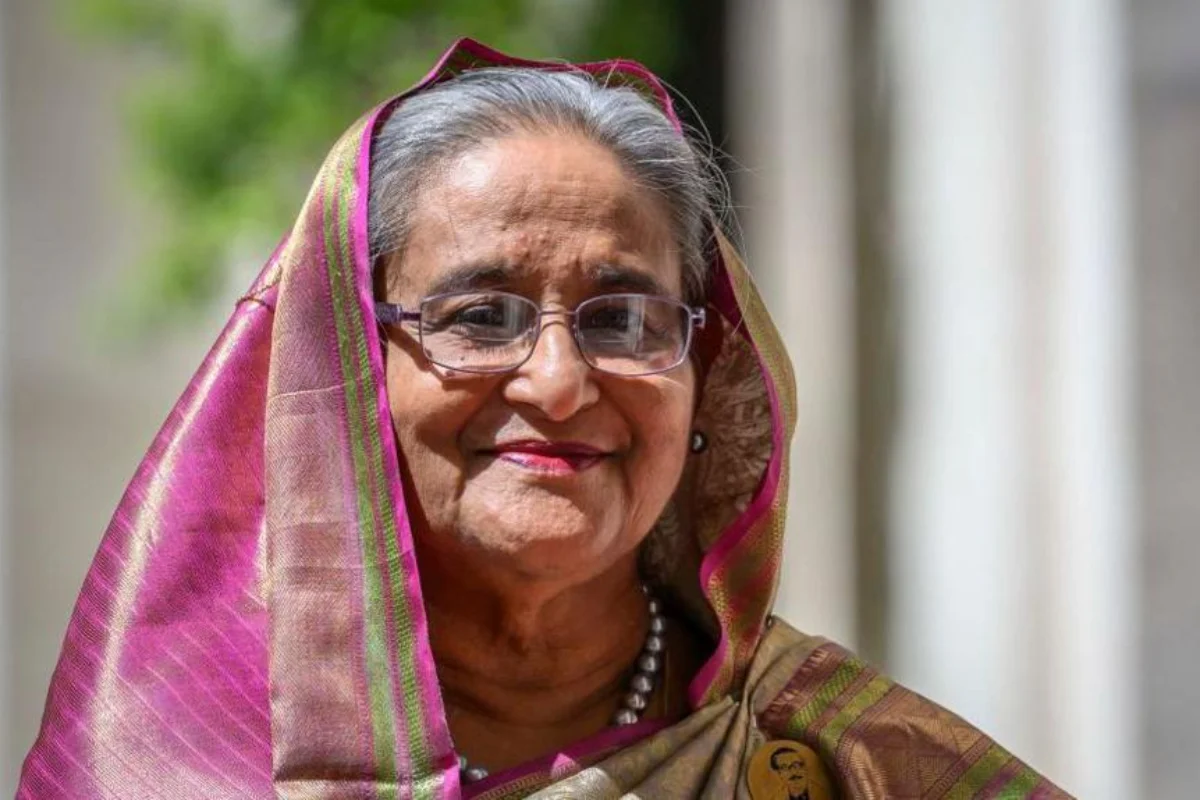
Former Bangladesh Prime Minister Sheikh Hasina, in her first public address since going into exile, launched a sharp attack on Nobel laureate Muhammad Yunus, calling him a “murderous fascist” and accusing the interim administration of pushing Bangladesh into chaos.
Sheikh Hasina Calls Muhammad Yunus a ‘Murderous Fascist’
Addressing a gathering via an audio message from India, Hasina alleged that Bangladesh is currently being ruled through violence, fear and unconstitutional means. Her speech was delivered during an event titled “Save Democracy in Bangladesh” held in New Delhi.
DON'T MISS
Strong Allegations Against Interim Government
Sheikh Hasina accused Yunus of leading an illegal regime, claiming that democratic institutions have been dismantled and law and order has collapsed across the country. She alleged that political violence, attacks on minorities and suppression of dissent have increased under the interim setup.
According to Hasina, Bangladesh is witnessing targeted attacks, arrests of political opponents and intimidation of journalists, which she said reflects a “fascist mindset” rather than democratic governance.
Call to Restore Democracy
Invoking the legacy of the 1971 Liberation War, Hasina urged pro-democracy and pro-liberation forces to unite and resist what she described as an unconstitutional takeover of power. She appealed for the restoration of the Constitution and demanded conditions for free and fair elections.
The former prime minister also raised concerns about the safety of women, minorities and vulnerable communities, alleging that their rights are being systematically violated.
Political Context in Bangladesh
Sheikh Hasina was removed from power amid political unrest, after which an interim government led by Muhammad Yunus took charge. The political situation in Bangladesh remains tense as the country prepares for its first national elections since Hasina’s ouster.
The Yunus-led administration has maintained that it is committed to democratic reforms and fair elections, while Hasina and her supporters continue to challenge its legitimacy.
International Implications
Hasina’s remarks are expected to deepen political polarisation within Bangladesh and draw international attention to the evolving crisis. With regional stakeholders closely monitoring developments, the situation has significant implications for South Asian stability and democratic norms.