


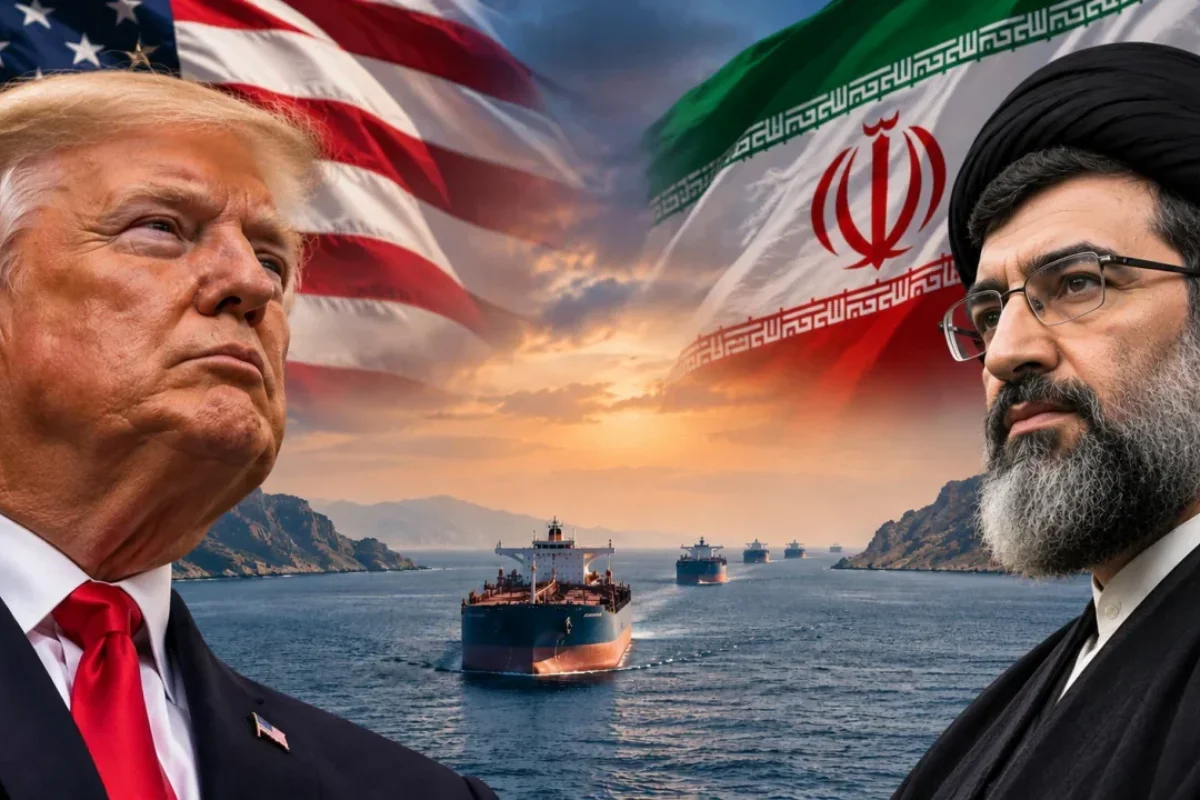
The Strait of Hormuz returns to dominate the world’s agenda as Iran reportedly sets out seven demands to reopen the strategic strait and begin talks with the United States. The move adds further strife to the diplomatic process between Tehran and Washington and makes it harder for US President Donald Trump. The heavily trafficked strategic maritime corridor transports almost a tenth of the world’s oil and liquefied natural gas supplies.
Iran’s Seven Conditions Put the Strait of Hormuz Reopening in Focus
Iran is said to have conditioned the reopening of the Strait of Hormuz on several U.S. requirements, such as the lifting of U.S. sanctions, the release of frozen Iranian funds, the cessation of the US naval blockade of Iranian harbors, and compensation for damages inflicted by the war. Additional conditions related to cessation of the war on the various regional fronts, notably in Lebanon, and negotiations for a system of naval passage through the Straits of Hormuz. Tehran has previously insisted that these were conditions to be part of any larger diplomatic deal. But there has been no single document publicly verifying the full seven-point proposal.
DON'T MISS
Donald Trump Under New Diplomatic Pressure
Most recent break, another obstacle for Donald Trump as Washington weighs how to respond to Iran demands Latest development has caused. American pressure has persisted through sanctions and other efforts. The administration has imposed more sanctions, but Iran is seeking headway on these concerns before returning to talks. Iranian Parliament Speaker Mohammad Bagher Ghalibaf said the authorities in Tehran have already delivered the message to the U.S. through diplomatic channels. The speaker also noted that his country is awaiting the US’ formal reply. Earlier, Iranian authorities stated any fresh military action would result in retaliation. The comments underscore the ongoing disagreements between the two nations on security, sanctions, and military developments in the region.
Why the Strait of Hormuz Is Important for Global Oil Supplies?
The Strait of Hormuz links the Persian Gulf to the Gulf of Oman and the Arabian Sea. It is one of the world’s most strategic shipping choke points and the only sea passage from the Persian Gulf to the open ocean, serving as an important shipping channel for the transportation of crude oil and natural gas. Much of the world’s energy shipments usually go through this narrow channel. Nations across Asia, including some of the largest energy-consuming economies, rely on the route for a substantial part of their energy needs. Any disruption for a longer period may have an impact on energy-importing countries, raise shipping costs, and cause uncertainty in the international oil market. It may also impact prices of fuel and transportation in a few economies.