

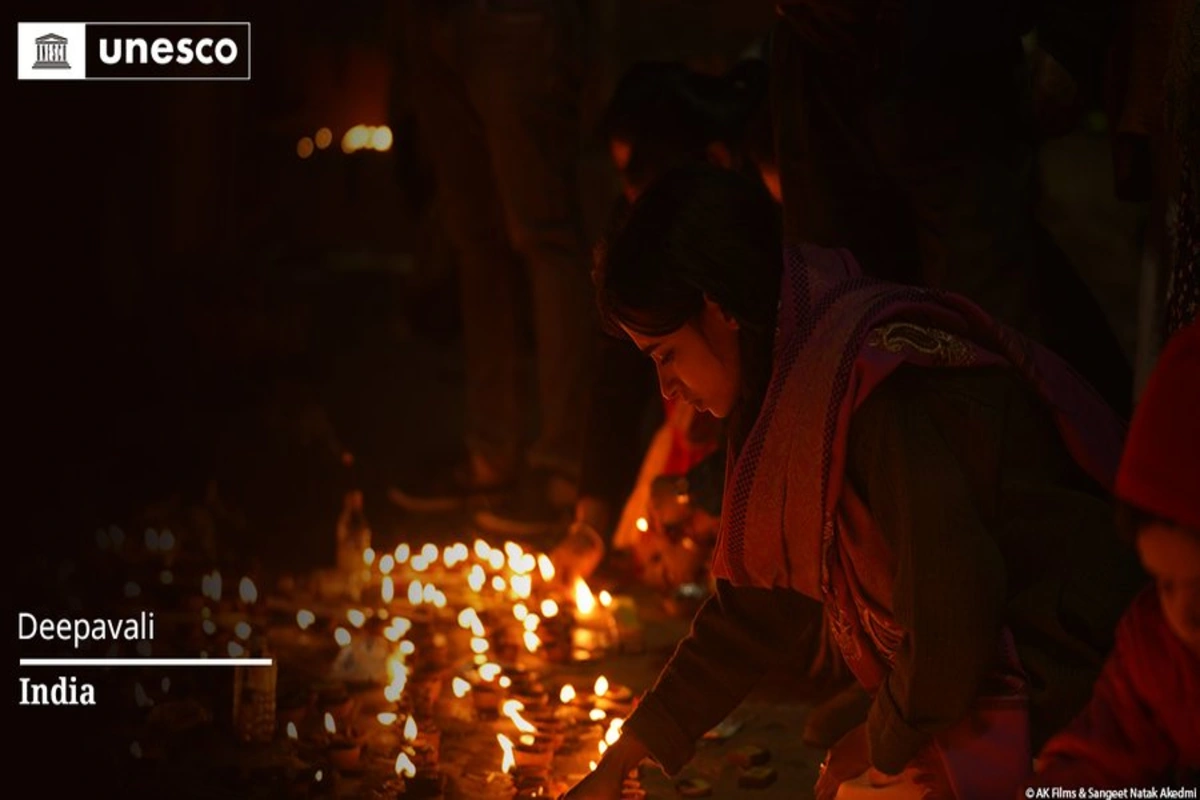
Experts say the inscription will further enhance India’s cultural diplomacy efforts. Deepavali, already celebrated in more than 50 countries, symbolizes universal values such as hope, renewal and collective well-being. With UNESCO’s recognition, India’s “living heritage” gains a stronger voice in international forums promoting cultural diversity and peace.
UNESCO : Boost to Tourism and Global Cultural Exchange
Officials also expect a positive impact on tourism, cultural tourism circuits, and global festival collaborations. The Ministry of Culture believes the recognition will encourage international travellers to experience India’s festive traditions firsthand, especially in heritage cities like Varanasi, Ayodhya, Jaipur and Madurai where Deepavali celebrations are world-renowned.
Deepavali: More Than a Festival
UNESCO’s listing highlights the festival’s multi-layered significance—its rituals, craftsmanship, traditional food practices, rangoli art, oil-lamp making, folk performances and community gatherings. It underlines how Deepavali fosters social bonding, strengthens family ties, and encourages acts of charity and compassion.
India’s Growing Presence in UNESCO Heritage Lists
With this addition, India continues to expand its footprint on UNESCO’s intangible and tangible heritage lists. From yoga and Kumbh Mela to traditional musical forms and handicrafts, the country’s diverse traditions are gaining increasing global acknowledgement. Deepavali’s inclusion is seen as another step in presenting India as a custodian of rich, vibrant and inclusive cultural practices.