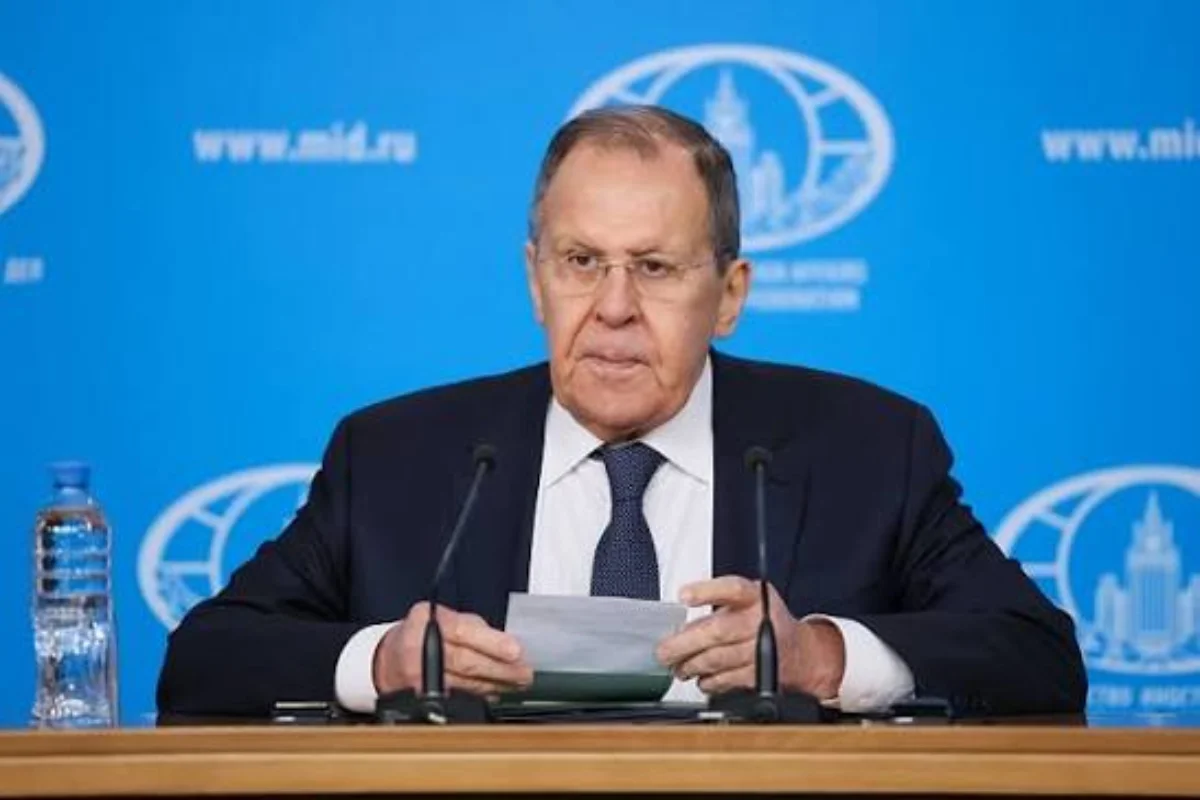
Russia has assured India of its support for a permanent seat in the UN Security Council once again during the 81st United Nations General Assembly (UNGA) in New York. Foreign Minister of Russia Sergey Lavrov said Moscow favors expanding the voice of the developing countries of Asia, Africa, and Latin America.
DON'T MISS
Lavrov backs India’s permanent membership bid
Japan, India, Brazil, Germany to get support for UN Security Council permanent membership Lavrov to UNGA Japan, India, Brazil, Germany to get support for UN Security Council permanent membership; Lavrov to UNGA Addressing the UNGA, Lavrov specifically supported the candidatures of India and Brazil for permanent membership of the Security Council. India has long been calling for reforms to the Security Council to better align with today’s world political and economic trends.
India’s long-standing push for UNSC reform
The current composition of the UN Security Council comprises 15 members five are permanent members (China, France, Russia, the United Kingdom, and the United States), and ten are elected non-permanent members by the General Assembly for a two-year term. The five permanent members enjoy veto powers for substantive resolutions. India announced its bid for a permanent seat as far back as 1994.
Russia’s position adds to international support
Russia has backed India on the permanent seat pursuit. The Ministry of External Affairs had earlier said that Moscow has pledged its support for India’s bid to become a permanent member of the UNSC. The most recent statements from Lavrov at UNGA 2026 again put Russia’s stance into the wider discussion of Security Council reform. But if Security Council reform were to take place, it would need to have the consensus of UN member states and amendments made to the UN Charter.
What happens next?
The debate over Security Council reform is expected to remain part of discussions around the future of multilateral institutions. India continues to seek a greater role in global decision-making while also campaigning for a non-permanent Security Council seat for the 2028–29 term.