

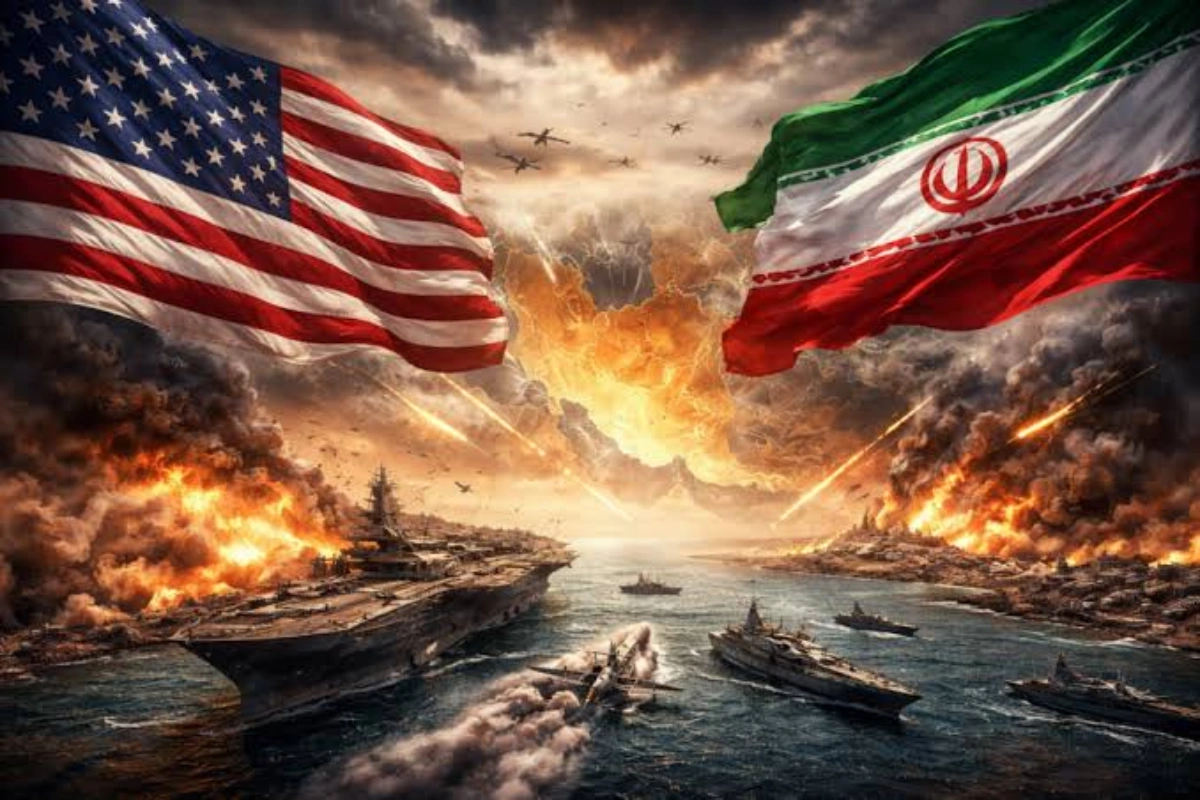
The US-Iran war puts West Asia back on the map of the world. However, while diplomats try hard to avoid any further escalations, the future of the region remains uncertain. One of the most important questions now relates to the safety of the Strait of Hormuz, an extremely narrow but strategically crucial corridor used for transporting a considerable part of the world’s oil and liquefied natural gas (LNG) resources.
DON'T MISS
Why Is the Strait of Hormuz So Important?
The Strait of Hormuz links Persian Gulf and the Gulf of Oman/Arabian Sea. It plays the role of the key route for the export of crude oil and natural gas from Saudi Arabia, Iraq, Kuwait, the UAE, Qatar, and Iran. Due to the huge volume of global energy resource transport through the Strait, any disruptions there may influence the world prices for oil and LNG.
Can The Strait Of Hormuz Function Normally?
For now, commercial shipping continues to move through the Strait, although vessels are operating under heightened security measures. Several shipping companies are reassessing routes, increasing insurance coverage, and closely following security advisories. Analysts believe the Strait is likely to remain operational unless the conflict escalates significantly.
Impact On Global Markets
The ongoing conflict has already increased concerns among investors and energy traders. Oil prices often react sharply to developments involving the Strait of Hormuz because any disruption could reduce global supply. Countries heavily dependent on imported energy are also watching the situation closely, as prolonged instability could increase fuel prices and affect inflation.
Diplomatic Efforts Continue
Several international leaders continue to call for restraint and dialogue to avoid a wider regional conflict. Diplomatic engagement remains a key focus as governments work to prevent further escalation that could threaten trade routes and regional stability.


