

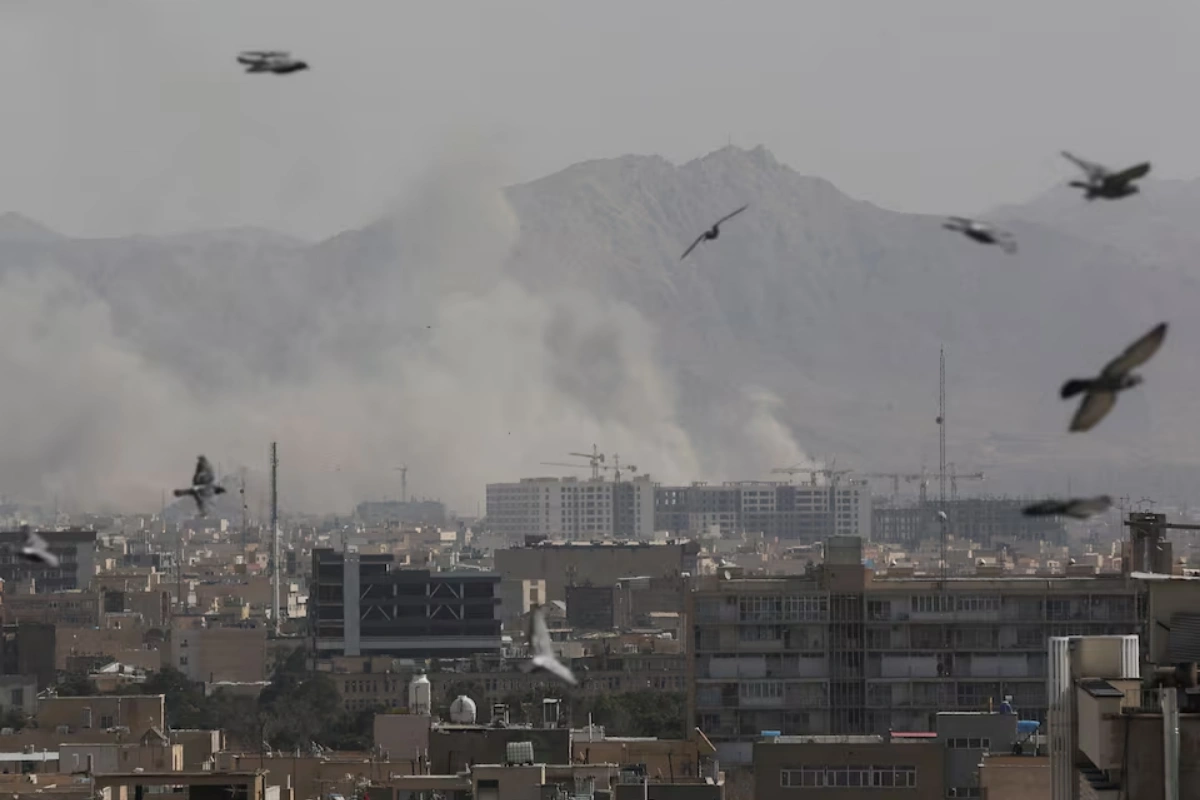
The escalating conflict between the United States, Israel and Iran is not just a regional flashpoint. As reported by The Times of Israel and other international platforms, the strikes are widely seen as attempts to weaken or change Iran’s regime. For India, the stakes are particularly high: energy security, currency stability and trade flows are all vulnerable to prolonged instability in the Middle East. Under US President Donald Trump, Washington has signalled readiness for sustained engagement if escalation continues.
DON'T MISS
Iran, in turn, has threatened the Strait of Hormuz, through which nearly 20% of global oil supply passes. Any disruption in this narrow maritime corridor could send crude prices surging beyond $78 per barrel, analysts warn.
A wider war could draw in Gulf nations or groups like Hezbollah, deepening instability across West Asia.
Oil Price Surge Will be India’s Biggest Concern
India imports nearly 85% of its crude oil, largely from the Middle East. Even minor flare-ups have historically pushed Brent crude up by 10–12%, raising import bills.
Reports suggest that in extreme scenarios — such as a Hormuz blockade — oil could spike to $200–$300 per barrel. According to economic estimates, every $10 rise in crude oil prices may shave off 0.3 percentage points from India’s GDP growth.
Industries like chemicals, paints, aviation and textiles would face immediate cost pressures, potentially passing the burden to consumers.
Rupee Depreciation and Inflation Risks
Higher oil import costs widen India’s trade deficit, putting pressure on the rupee. The currency recently weakened toward ₹86 per US dollar amid rising tensions.
Safe-haven demand for the US dollar and foreign investor outflows could accelerate depreciation. A weaker rupee makes imports costlier, fuelling inflation and complicating policy decisions for the Reserve Bank of India. Payments linked to Iran, including agricultural exports like basmati rice, could see delays.
India’s strategic investment in Chabahar Port also faces uncertainty if regional instability persists. Shipping routes via the Red Sea may become more expensive due to heightened security risks.


