


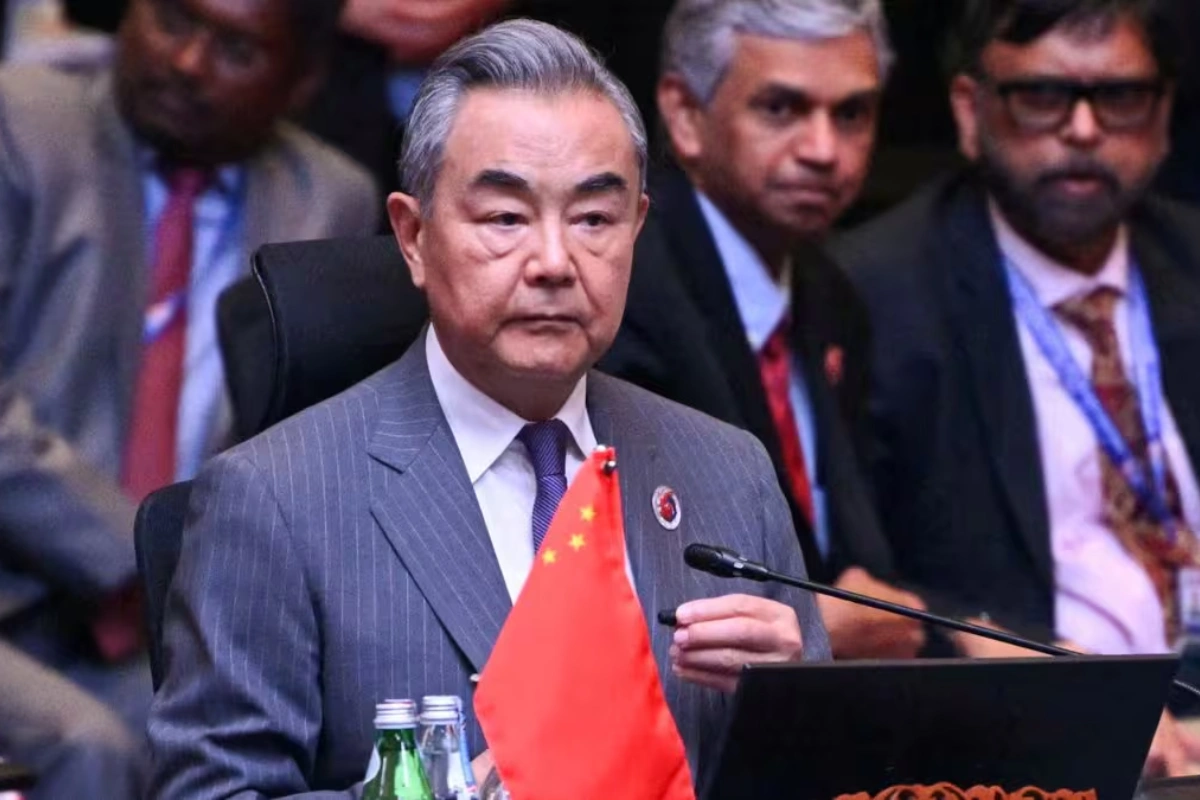
China has recently entered the diplomatic conversation stemming from former President Trump’s statement about the tensions between India and Pakistan and has expressed that it played a role in encouraging calm in the dispute over the nuclear-armed neighbours. However, India has categorically rejected any third-party involvement, reiterating that the ceasefires with Pakistan were secured bilaterally.
DON'T MISS
China Spurring New Debate with Its Comments
In recent comments made during various diplomatic visits to China, Wang Yi stated that China has always encouraged dialogue and stability within South Asia and therefore inferred that the PRC (People’s Republic of China) was instrumental in helping to reduce conflicts between India and Pakistan. The timing of Wang Yi’s comments also followed Donald Trump’s repeated comments on how his administration had assisted in preventing war between the two nations during his presidency.
India’s Clear and Consistent Position
India maintains its historical position to deal with all matters pertaining to Pakistan—including cease-fire accords—along the Line of Control (LoC)—through bilateral discussions. The Indian Defence Ministry has stated that two Indian army commanders—who met in 2015— reaffirmed the ceasefire agreement of LoC in 2021, without any third-party interference (or facilitation).
India has consistently expressed strong opposition against the idea of international mediation on all levels (political, military or otherwise). The authority of this opposition to any possibility of international mediation was found in the Shimla Agreement and Lahore Declaration.
While Pakistan has generally welcomed any involvement by the international community in regards to South Asian disputes, India continues to assert that most international narratives are misleading. From an analysis of Pakistan’s global partners: (1) Washington, or (2) Beijing, it has been noted that their claims serve to reinforce.
China’s interests in Pakistan are closely linked to China’s strategic alliances with Pakistan and their growing regional ambitions. Thus, it can be inferred through this perspective with regard to the CPEC.