


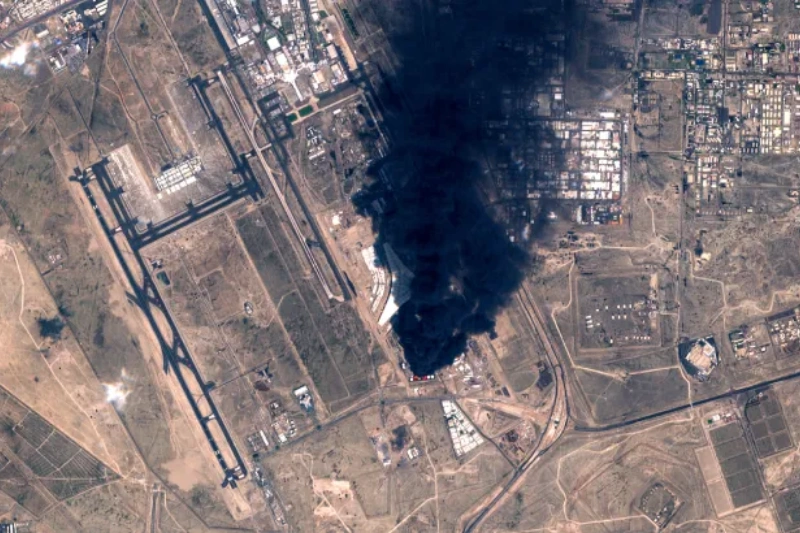
What once felt like distant geopolitical tension has now transformed into a full-blown regional crisis. The ongoing war involving the United States, Israel, and Iran has intensified rapidly, with the Pentagon deploying thousands of troops across key Middle East locations.
DON'T MISS
From Silent Tension to Open Conflict
The conflict began with large-scale US and Israeli strikes on Iranian targets, triggering a fierce response from Iran through missiles and drones targeting US bases and Israeli regions. Over time, the situation has escalated beyond direct confrontation, pulling in multiple regional players and expanding the battlefield across West Asia.
Conflict Expands Beyond Borders
The war has now spread across the region, with Iran-backed groups like the Houthis in Yemen joining the fight and launching attacks on Israel. This widening involvement highlights how the conflict is no longer limited to three nations but is turning into a multi-front regional crisis. At the same time, tensions in countries like Lebanon and Gulf nations continue to rise, raising fears of a prolonged and unstable regional war.
Pentagon’s Strategic Military Buildup
In response, the Pentagon has significantly increased its military presence in the Middle East. Reports confirm that thousands of US troops, including Marines and airborne units, are being deployed to strengthen strategic positions and prepare for possible escalation. These deployments are not just symbolic. Military planning now includes potential ground operations, which could involve special forces and targeted missions rather than a full-scale invasion.
Why the Middle East Matters So Much?
The region holds immense global importance, especially due to critical routes like the Strait of Hormuz, through which a significant portion of the world’s oil supply passes. Any disruption here could impact global energy markets, fuel prices, and international trade.This makes the conflict not just a regional issue but a global concern with economic consequences.