

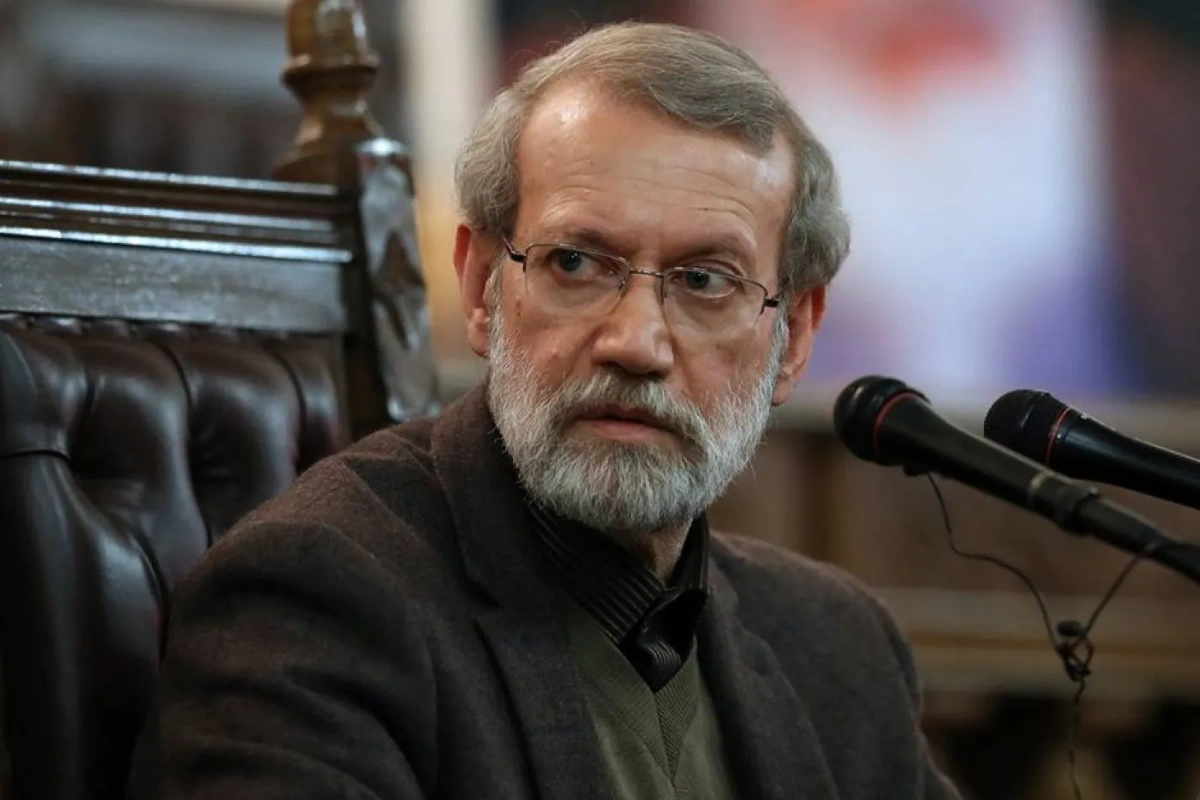
The political situation in Iran has changed after Ayatollah Ali Khamenei’s death because he served as the Supreme Leader.
What Happened After Khamenei’s Death?
Iranian leadership faces a crisis that began with Khamenei’s death,, according to recent reports but the country lacks an official successor to lead. The Assembly of Experts will make the final decision in accordance with Iran’s political system, as this body selects the next Supreme Leader of Iran.
DON'T MISS
Who is Ali Larijani?
Ali Larijani has dedicated his life to public service in Iran for over thirty years. He has served as the speaker of Parliament and now holds an important role within Iran’s national security framework. He serves as a trusted advisor to Khamenei while participating in the country’s most important policy decisions.
Why Is He Seen as a Top Contender?
Larijani stands out as one of the leading candidates to lead the organization through its current transition period. Before Khamenei’s passing, reports show that he received critical tasks and he will maintain stability today.
The Biggest Challenge in His Path
The political influence that he holds operates as his main political obstacle but religious leaders maintain authority over him. Iran requires its Supreme Leader to be a senior cleric who possesses extensive religious knowledge.
Other Possible Contenders
The race is not limited to Larijani. Other senior figures, including clerics and key officials within Iran’s system, are also being considered. This makes the succession process more complex and uncertain, with multiple power centers involved.
His Real Role in Iran’s Future
Even if Larijani does not become the Supreme Leader, his role will remain crucial. He is expected to act as a power broker, someone who influences decisions, supports leadership transitions, and helps shape Iran’s future political direction.