

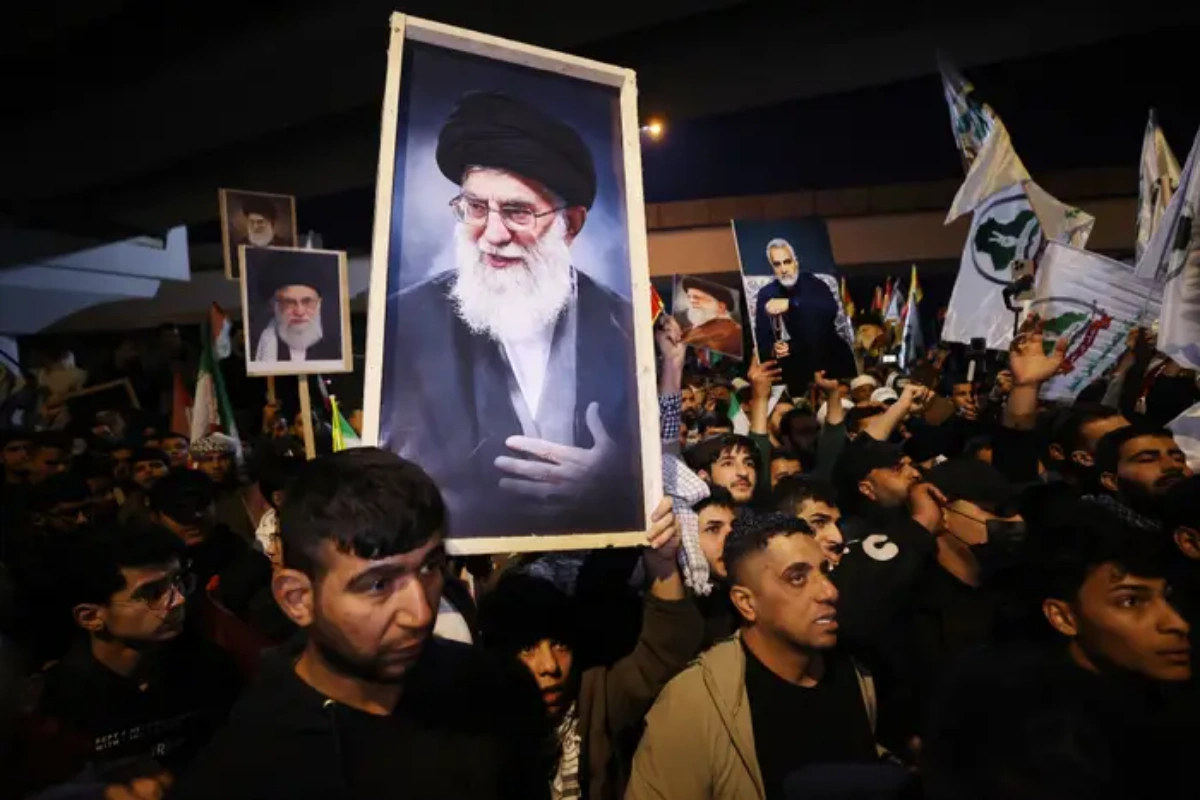
Ayatollah Khamenei: The Israel-Iran War entered a dramatic new phase after Ayatollah Ali Khamenei, Iran’s Supreme Leader, was killed on February 28, 2026, in coordinated US-Israeli airstrikes targeting his Tehran compound. The death of Iran’s Supreme Leader triggered global speculation over whether the ongoing conflict will de-escalate or spiral further. However, strategic experts suggest that the war is unlikely to end immediately, given Iran’s institutional power structure.
According to reports cited by Foreign Policy and other international outlets, Iranian state media confirmed that Khamenei was killed in strikes targeting his residences and offices. The broader assault reportedly hit 24 provinces, leaving over 200 dead.
DON'T MISS
Current Iran-Israel War Status
Tehran retaliated with missile and drone attacks on Israeli targets, killing one person and injuring 22 in Tel Aviv. Iranian strikes also targeted US military facilities in the Gulf, including an incident near Abu Dhabi airport.
US President Donald Trump described the strikes as “justice” and pledged sustained military pressure. Prediction markets indicate only a 21.5% probability of the conflict ending by March 7, though expectations rise toward the end of the month — reflecting uncertainty rather than resolution.
Meanwhile, European powers including the UK, France and Germany have called for urgent de-escalation, warning of wider regional destabilisation.
What Are Iran’s Options For Now?
Iran’s regime was developed to continue beyond the ruler’s death, in contrast to a personality-based dictatorship that collapses when the leader dies. The regime has institutionalised itself through the Experts and the dominant Islamic Revolutionary Guard Corps (IRGC), which can ensure the constellation of power that remains intact following the death of Supreme Leader Ali Khamenei.
1. The Dynastic Succession Option
Hardline followers of the IRGC support having the son of the late Supreme Leader, Mojtaba Khamenei, assume the position of Supreme Leader to guarantee the loyalty of the IRGC. Internal divisions in the IRGC could ultimately lead to political instability.
2. The IRGC will lead to Continued Control
The Revolutionary Guard appears poised to push for collective leadership among hard-liners, with retaliation over compromise being the ultimate interest.
For now, Ayatollah Khamenei death marks a dramatic escalation – not necessarily the end – of the US-Israel-Iran war.


