


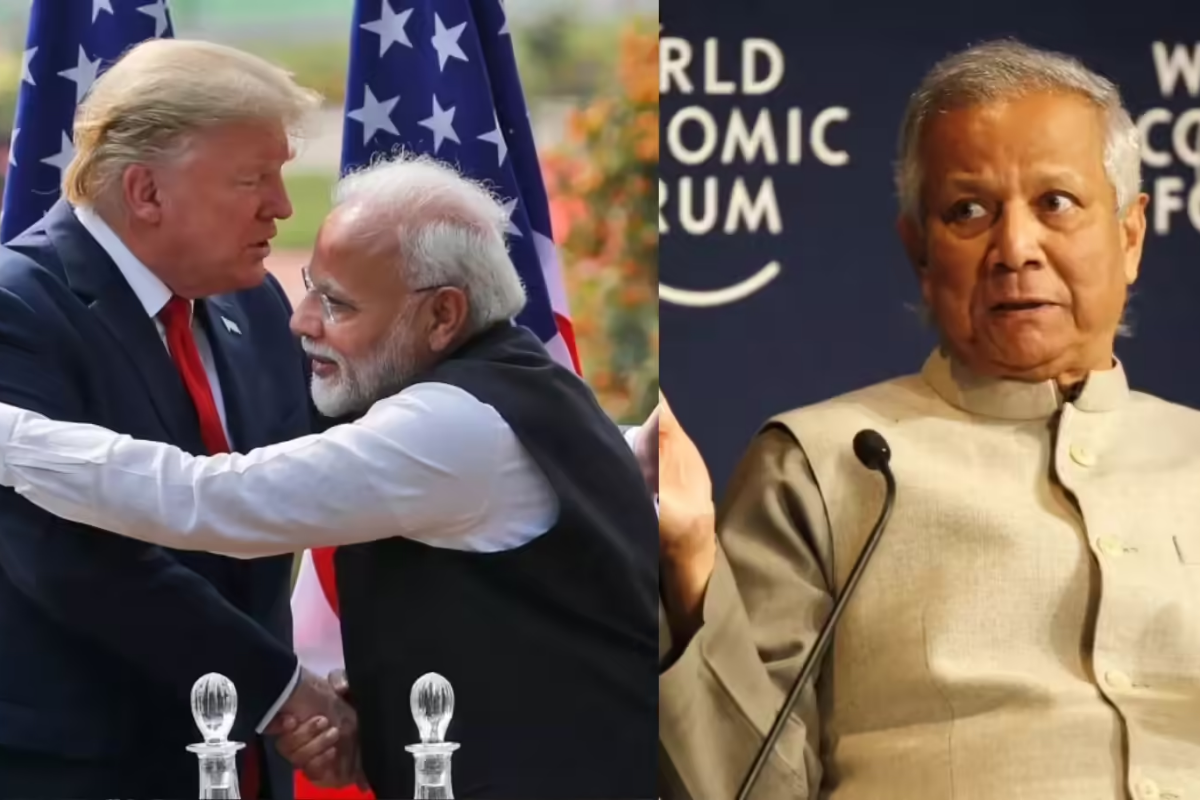
India US Trade Deal: The newly announced India–US trade agreement has sent ripples across South Asia, with Bangladesh feeling the strongest impact. As India deepens its economic and strategic ties with Washington, Dhaka is being forced to reassess its position in the global trade order.
Why the India–US Trade Deal Is a Wake-Up Call for Bangladesh?
India US Trade Deal: The India–US trade deal goes beyond tariffs, strengthening ties in manufacturing, technology, and supply chains. As the US favors India as a key partner, Bangladesh faces rising competition and risks losing trade leverage, especially in garment exports.
DON'T MISS
Bangladesh’s Economic Anxiety: What’s at Stake?
Bangladesh’s economy depends significantly on preferential access to the US and European markets. With India potentially gaining improved trade terms and stronger supply chain integration with the US, Dhaka worries about:
- Reduced export competitiveness
- Slower foreign direct investment inflows
- Pressure on the ready-made garment industry
- Marginalisation in future regional trade frameworks
Yunus Government’s Rush to Washington
The Yunus government’s outreach to the US is being seen as a damage-control mission. Officials are reportedly pushing for:
- Better trade concessions
- Continued preferential access for Bangladeshi exports
- Stronger economic cooperation beyond garments
- Reassurance that Bangladesh won’t be left behind in US Indo-Pacific economic strategies
Beyond Trade: A Strategic Shift
This isn’t just about trade. The India–US deal reflects a broader strategic alignment in the Indo-Pacific region. As India’s influence grows, neighbouring countries like Bangladesh are being forced to rethink their foreign and economic policies.
What Lies Ahead for Bangladesh?
The road ahead is uncertain but critical. Bangladesh has a few clear options:
- Diversify exports beyond garments
- Strengthen bilateral trade talks with the US
- Accelerate economic reforms to attract investors
Explore new trade partnerships to reduce dependency