


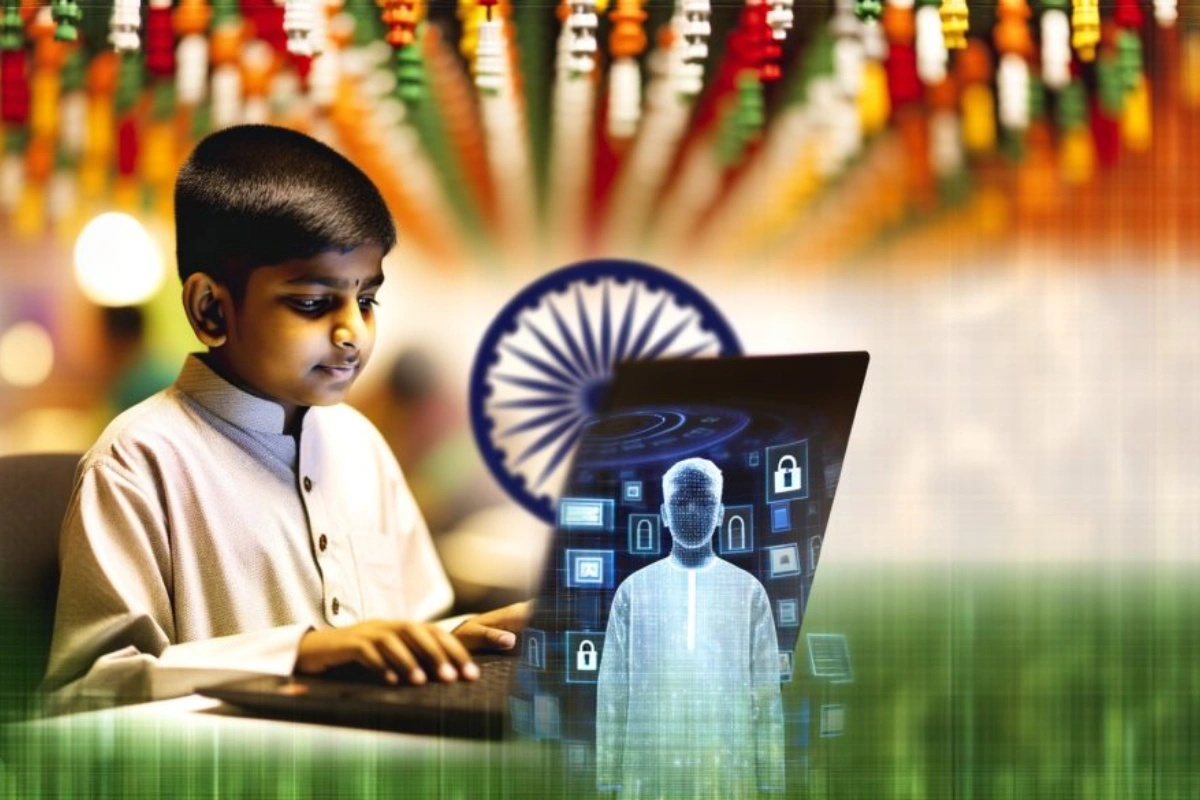
India Social Media Ban: India is considering making amendments to Information Technology (Intermediary Guidelines and Digital Media Ethics Code) Rules, 2021. This would bar access to social media platforms for teenagers below the age of 16 years.
India Social Media Ban-Would India Follow Australia?
In December 2025, Australia became the first country in the world to impose a nationwide ban on teenagers below the age of 16 years. Social media platforms such as TikTok and Instagram are now required under Australian laws to enforce age verification before their platforms could be accessed by users or run the risk of massive fines.
DON'T MISS
France, Denmark and Malaysia are under progress for introducing similar laws. As India eyes similar curbs on social media platforms, the question arises – would the world’s largest youth population adopt a hardliner stance? A ban for children below 16 could significantly reshape digital habits and social media consumption. However, parental consent rules under the Digital Personal Data Protection (DPDP) Act signal a softer start.
Benefits Of Gatekeeping For And On Young Minds
Gatekeeping, which refers to blocking unsupervised access, provides proven advantages. Several studies have demonstrated that the impact of social media consumption could be devastating on young and fragile minds. It could possibly double the risk of depression in young girls while spiking anxiety, stress and restlessness in young body because of endless scrolls.
Studies have also shown that curbing social media consumption limits exposure to toxic trends, cutting self-harm ideation by as much as 30 percent. It could also end data harvesting while significantly cutting down the risk of grooming that affects 1 in 5 children. Studies have also revealed that children and teenagers who don’t use social media platforms tend to experience better educational results as they are less distracted.
Content vetting by parents and the union government is also likely to boost parent-children relationships that have suffered a lot due to busy life schedules and deteriorating worldly relationships.