


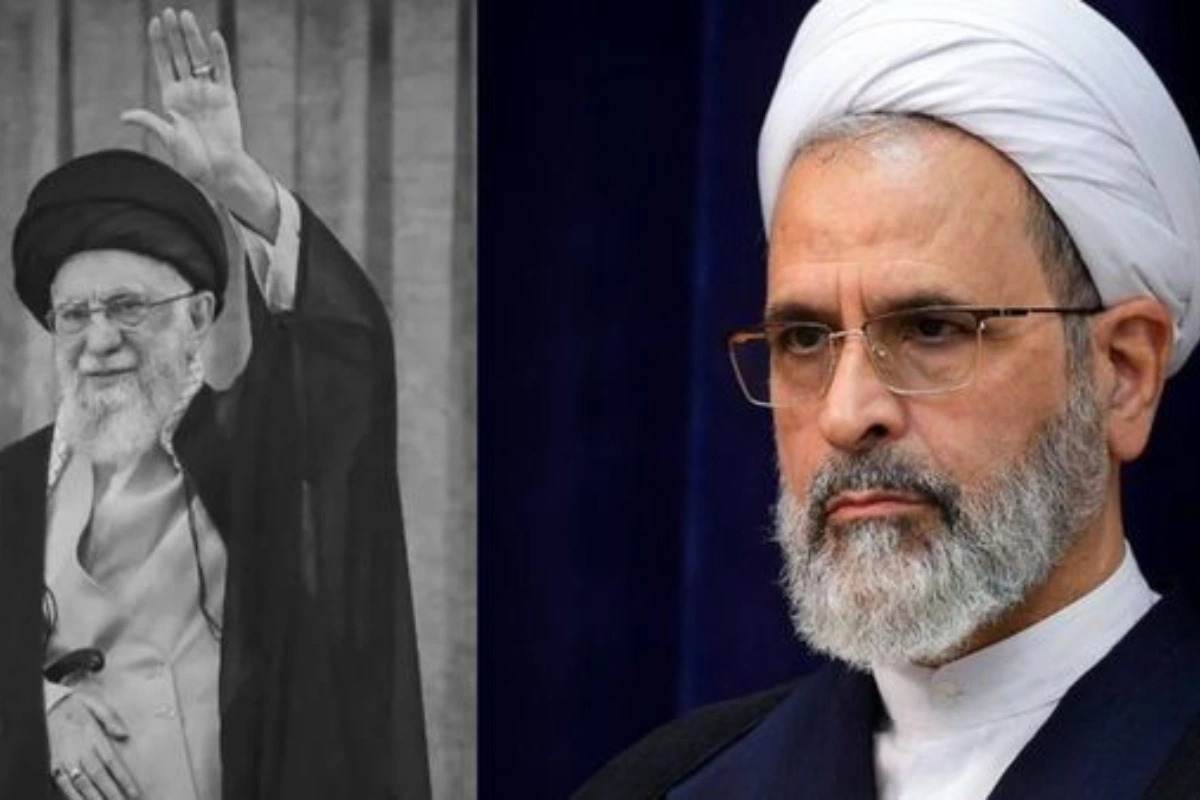
Uncertainty continues to surround the status of Ayatollah Alireza Arafi after claims surfaced following recent airstrikes targeting Iran’s top leadership. Speculation intensified after Donald Trump said in a phone interview that U.S.–Israeli strikes had eliminated several figures considered potential successors to Iran’s late Supreme Leader Ali Khamenei. Trump suggested the attack was so extensive that “most of the candidates” were killed, though he did not name Arafi specifically or provide evidence.
DON'T MISS
Ayatollah Arafi : official confirmation from Iran
Despite widespread social-media speculation, Iranian state media and government agencies have not confirmed Arafi’s death. Authorities in Iran have issued statements acknowledging casualties from the strike but have only publicly confirmed the deaths of senior figures such as adviser Ali Shamkhani and Revolutionary Guard commander Mohammad Pakpour. No official announcement has mentioned Arafi among those killed.
Interim leadership structure in place
Following Khamenei’s reported death, Iran’s constitutional mechanism for succession was activated. Under Article 111, an interim leadership council temporarily assumes authority until a permanent Supreme Leader is chosen by the Assembly of Experts. Arafi is reported to be part of this transitional arrangement alongside President Masoud Pezeshkian and judiciary chief Gholam-Hossein Mohseni-Eje’i.
Strategic uncertainty after strike
Analysts note that the absence of clear information reflects the broader fog of conflict following the strike in Tehran. Governments including the United States and Israel have not released detailed casualty lists, while Iranian authorities appear to be tightly controlling disclosures about leadership losses.
Situation remains unverified
At present, there is no reliable confirmation that Ayatollah Alireza Arafi has been killed. Claims circulating online remain unverified, and analysts caution that leadership information during high-intensity geopolitical crises is often incomplete or intentionally obscured. Officials and observers say clarity is likely to emerge only after formal statements from Tehran or independent verification.