


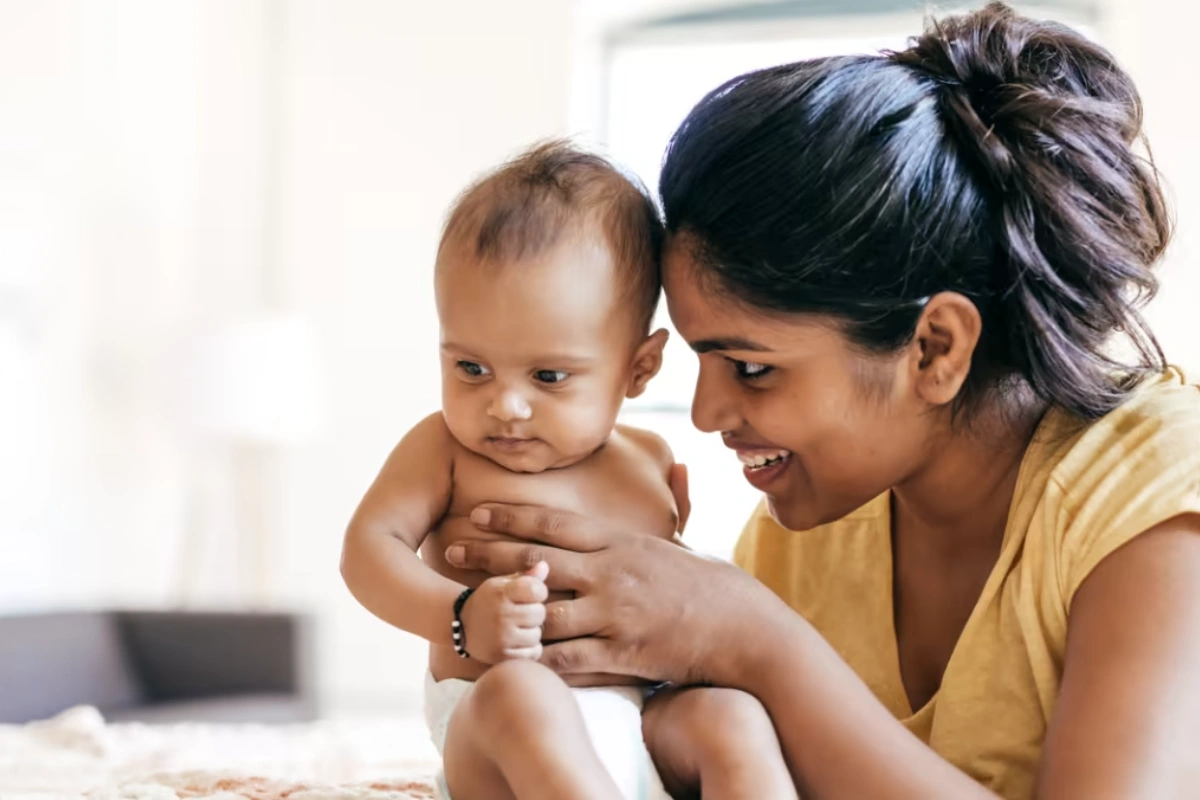
Postpartum Weight Loss: For breastfeeding women, it’s highly important to fuel their body during the postpartum period. This is simply because a nutritious and healthy diet would help maintain the milk supply, keep energy levels high and even lose weight.
One of the biggest mistakes that some newly-blessed mothers unknowingly do is to reduce their overall intake of carbohydrates. Carbs are vital for hormone regulation, breast milk production and a series of other bodily processes.
Postpartum Diet Guidelines
During the postpartum period, it’s important for women to include fresh and seasonal fruits, green leafy vegetables, fibre-rich carbs, protein and healthy fats such as seeds, nuts and avocados.
DON'T MISS
Breastfeeding women should at least consume 2000 to 2800 calories a day. Moreover, they should consume at least 3 litres of water every day. Also, prenatal vitamins are important for up to a year if you are breastfeeding or vitamins that are specifically made for the postnatal period.
Postpartum Weight Loss Tips
- Consume 5-6 small meals every day with healthy snacks in-between.
- Take your time to eat so you know when you are full.
- When you feel the urge to feel snacks, try including foods rich in protein and fibre such as apple slices with peanut butter, carrot with bean dip, hard-boiled eggs with a slice of whole-wheat toast.
- Reduce the intake of packaged juices, sodas and other fluids that are heavy on calories and sugar.
- Avoid food products that are extremely high on artificial sweeteners.
- Limit the intake of saturated fat, trans-fats and sweets and prefer baked or broiled foods instead of fried.
- Avoid opting for fad or crash diets.
- Be realistic; things do take time.
Disclaimer: This content, including advice, provides general information only. It is not a substitute for a qualified medical opinion in any way. The methods and claims mentioned in this article should be considered as suggestions only; DNP India neither confirms nor denies them. Always consult a doctor before following any such suggestions/treatments/medications/diets.