

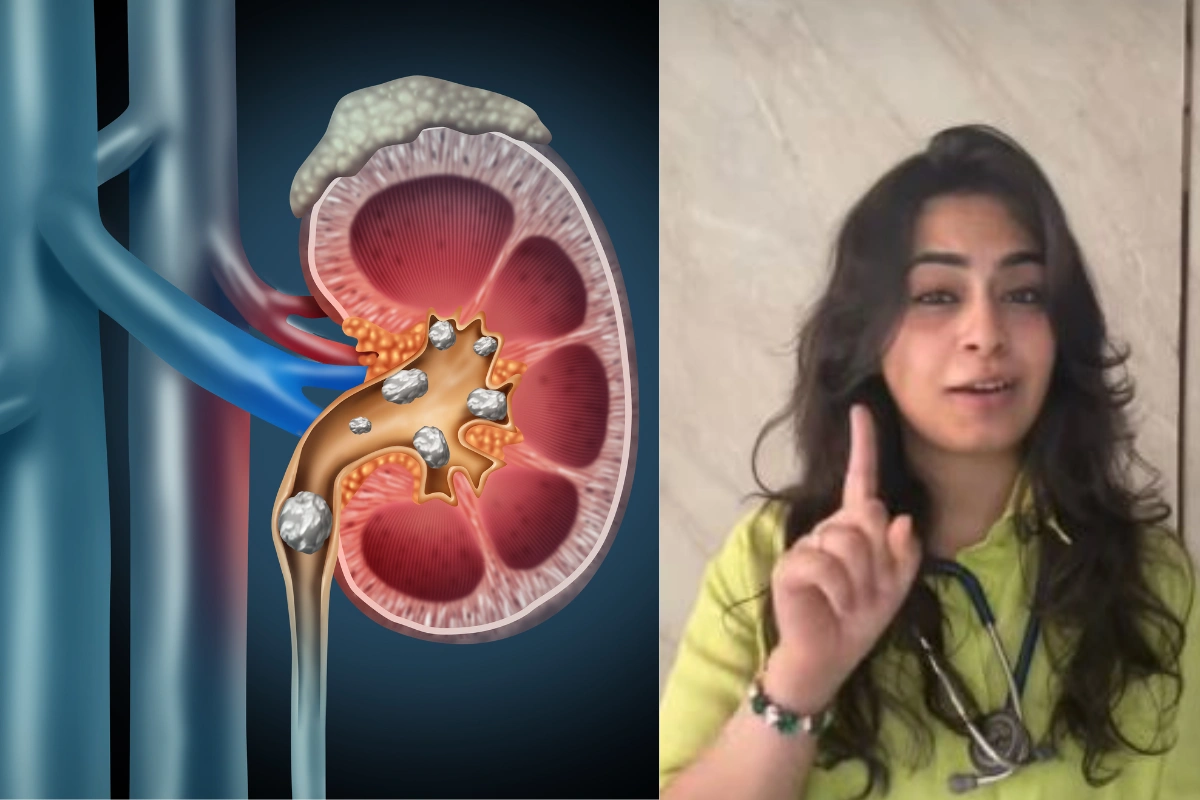
Kidney Stones: Medically known as nephrolithiasis, kidney stones are among the most disruptive and painful medical conditions that affect the urinary tract. The health condition may affect people of any age or gender and tend to appear suddenly without any early warning signs.
Kidney stones could result in severe discomfort that radiates from the back to the groin and lower abdomen areas. Thankfully, you can always count on the three basics – hydration, natural calcium intake and moderate salt consumption to avoid this painful condition in the first place.
How Are Kidney Stones Formed?
Kidney Stones form when certain substances in urine like oxalate, uric acid or calcium become overly concentrated and start crystallizing. Over a period of time, these crystals bind together to form stones that may vary in size and appearance. In most cases, the treatment involves immediate medical intervention, including lithotripsy (shock wave treatment), medication or even surgical procedures.
DON'T MISS
Hydration-Most Powerful Defence
Adequate intake of fluids like water helps in diluting the concentration of stone-forming substances in urine. This helps in making it far less likely for crystals to form.
Ideally, your body should produce at least 2.5 to 3 litres of water. For this, you’ll need to consume around 3 litres of fluids every day, depending on body size, activity level and climate. Moreover, you should consume fluids throughout the day and not large amounts of water in a single sitting.
Natural Calcium Intake
Most people believe that calcium consumption could be counterproductive when in fact that dietary calcium plays a crucial role. It binds with oxalate in the intestines before it reaches the kidneys to reduce the quantity of oxalate that gets absorbed into the bloodstream before getting excreted in urine.
Ideally, you should consume dairy products such as milk, yogurt and paneer along with fortified plant-based milks, almonds and sesame seeds. Moreover, you should consume leafy green vegetables like spinach and kale in moderation as there may be the risk of oxalates in some green vegetables.
Moderate Salt Consumption
High salt consumption could increase the excretion of calcium via urine, translating to an increased risk of crystal formation. Modern diets, especially those rich in packaged and processed foods, may contain far more sodium than the body requires.
Therefore, you should avoid these foods and avoid adding extra salt at the table. Also, you should focus on cooking more meals at home where salt levels can be controlled and use herbs, spices, lemon and natural seasonings for flavour instead of salt.
Disclaimer: This content, including advice, provides general information only. It is not a substitute for a qualified medical opinion in any way. The methods and claims mentioned in this article should be considered as suggestions only; DNP India neither confirms nor denies them. Always consult a doctor before following any such suggestions/treatments/medications/diets.