


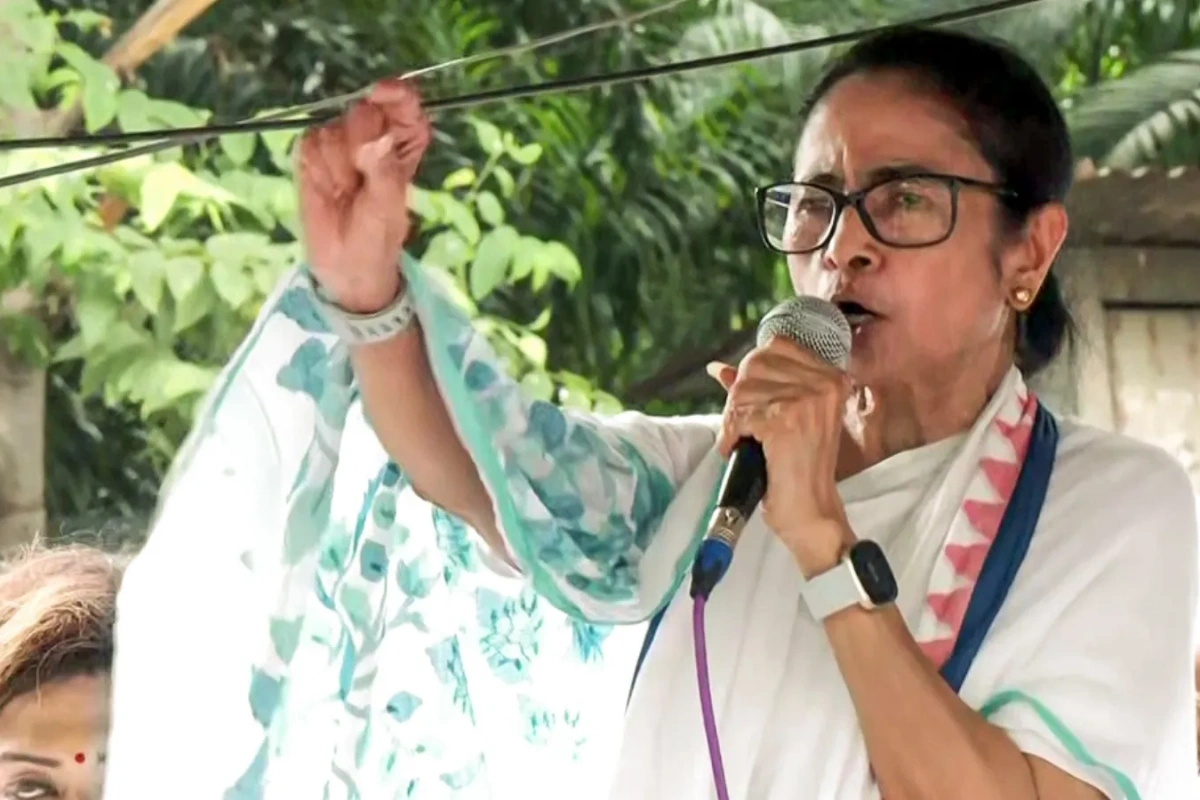
Mamata Banerjee: India’s regional party ecosystem is facing one of its gravest stress tests in decades, as the stunning collapse of the Trinamool Congress triggers a chain of events that political analysts warn could accelerate the country’s drift toward a two-party system dominated solely by the BJP and Congress.
DON'T MISS
The TMC Crisis: A Party Fracturing In Real Time
In a massive blow for Trinamool Congress supremo Mamata Banerjee, a rebel faction comprising around 20 Lok Sabha MPs formally decided to merge with the Nationalist Citizens Party of India, a registered regional party, before announcing their support for the NDA — marking a catastrophic haemorrhage for a party that held 28 seats in the Lok Sabha.
Rebel MP Kakoli Ghosh Dastidar confirmed the breakaway group would also fight in court to be recognised as the real TMC and stake claim to its poll symbol, while Abhishek Banerjee urged the Lok Sabha Speaker not to accord recognition to the faction.
Mamata Courts Congress — But Both Deny A Merger
Reports emerged that Sonia Gandhi personally called Mamata Banerjee and offered a merger of TMC into Congress, with Mamata being offered the post of national vice president of the Congress party.
Congress General Secretary K.C. Venugopal categorically denied any merger conversation had taken place, stating that discussions were limited to strengthening opposition coordination and the fight against what he called an anti-democratic government.
The Regional Party Alarm
Mamata Banerjee: This is where the real danger lies. A TMC-Congress merger — even a soft alliance — would effectively extinguish one of India’s most powerful regional forces, setting a precedent that could send tremors across the SP, RJD, DMK, and AAP ecosystems. Regional parties have long served as the backbone of federal democracy, giving voice to state-specific aspirations that national parties routinely ignore.