

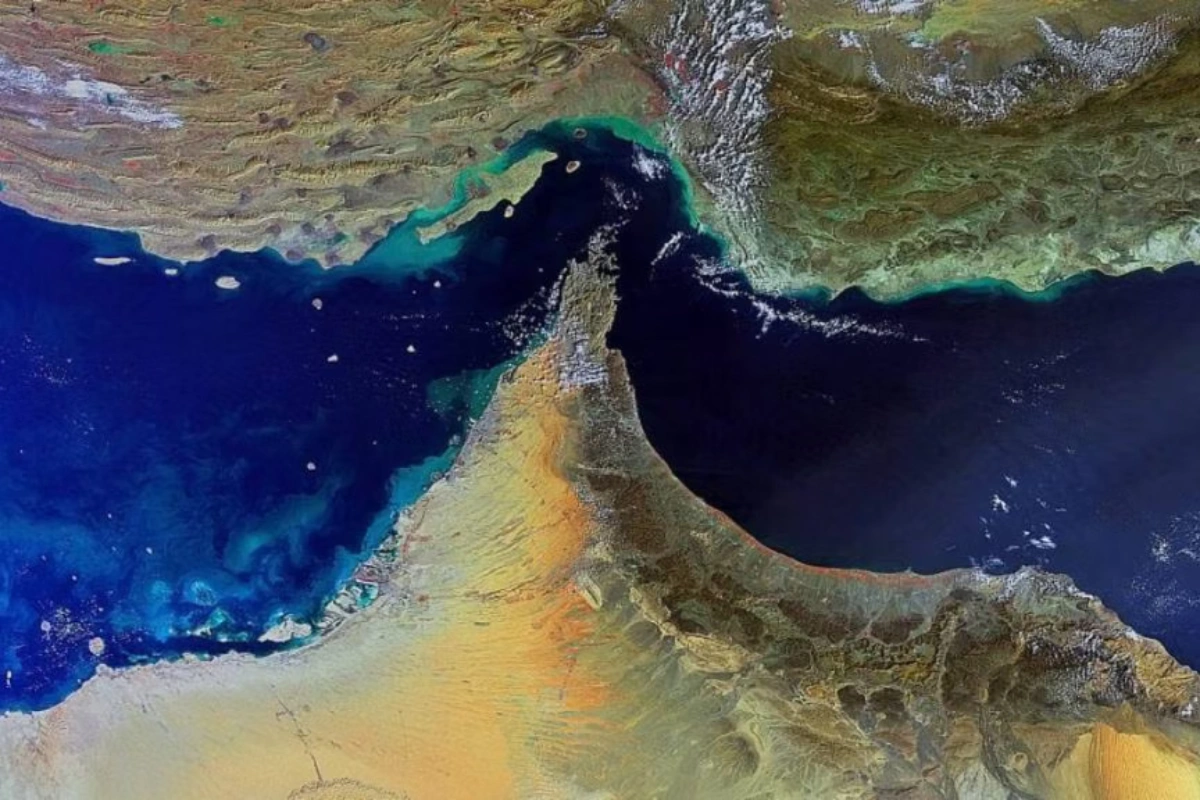
Strait of Hormuz, one of the most strategically important waterways of the world, is now again in the spotlight of the global community owing to the increasing tensions in the Middle East.
What is the importance of the Strait of Hormuz?
The Strait of Hormuz is a waterway connecting the Persian Gulf to the international waters. This strait is used as a key waterway for the international transportation of oil and natural gas.
DON'T MISS
Political Instability in the Area
Recent geopolitical events have increased worries regarding the safety of maritime trading channels in the Gulf. These worries have been generated by political rhetoric, military activity, and diplomatic disputes related to the future of energy supply via the Strait of Hormuz.
How Could India Be Affected?
- Higher Fuel Prices
India imports a large portion of its crude oil requirements. Any increase in global oil prices could lead to higher fuel costs domestically, affecting consumers and businesses alike.
- Impact on Inflation
Rising energy prices often influence transportation, manufacturing, and logistics costs.
- Pressure on Trade and Economy
Higher import bills could put additional pressure on India’s economy. Industries dependent on fuel and energy-intensive operations may face increased operational expenses.
- Energy Security Concerns
Any prolonged disruption in the Strait of Hormuz could encourage policymakers to strengthen energy diversification strategies and seek alternative supply routes.
Will Energy Woes Trouble India?
India imports a large share of its crude oil and natural gas from international markets. If tensions in the Strait of Hormuz disrupt oil shipments or push global crude prices higher, India could face increased fuel costs, higher inflation, and rising transportation expenses. While the country has strategic oil reserves and diversified energy sources, prolonged instability in the region could still put pressure on the economy and household budgets.