

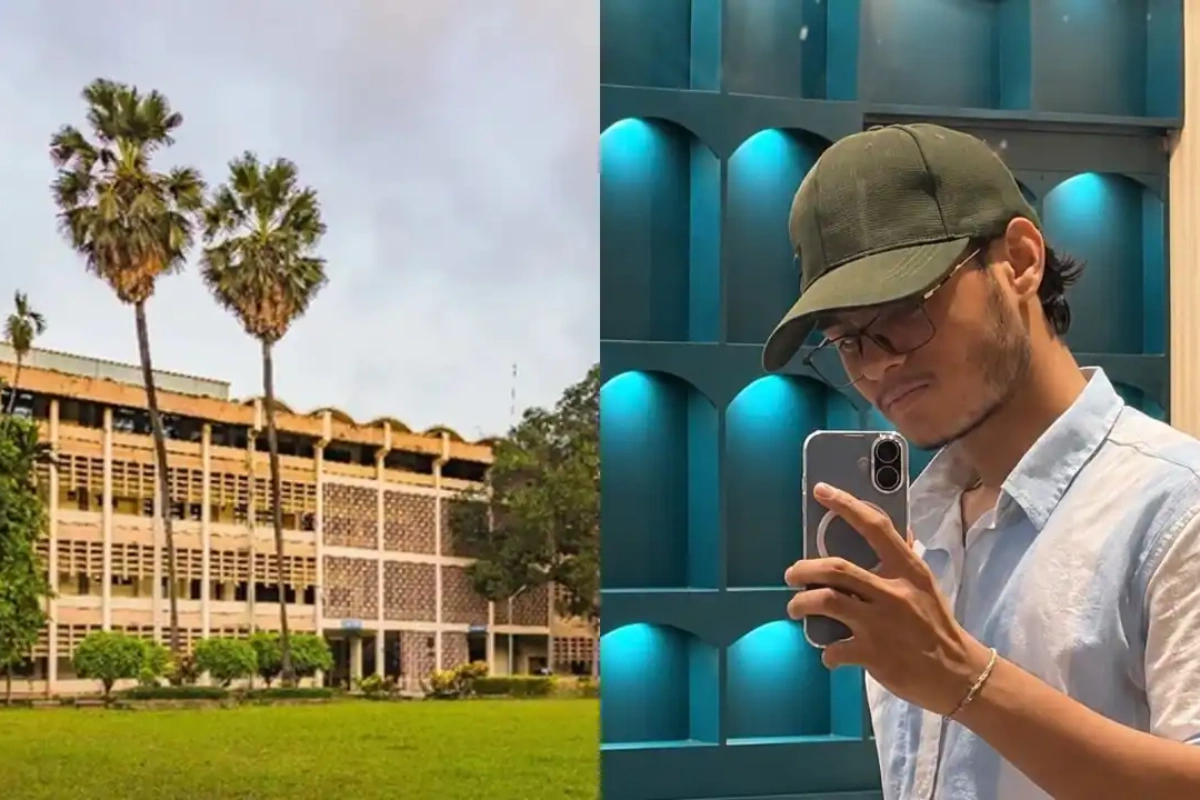
IIT Bombay: IIT Bombay has agreed to a sweeping set of reforms after days of student protests over the death of Sahil Wakode, a second-year BTech student who died by suicide on campus on September 18. Director Prof Shireesh Kedare signed an 18-point charter late Sunday night, following nearly three hours of talks with students who had been staging a sit-in near the institute’s main gate.
DON'T MISS
What Led To The Protests
Wakode, a student of the Department of Energy Science and Engineering, was allegedly found using a mobile phone during a mid-semester examination on the day he died. The institute said he had uploaded the exam question paper to an AI platform to seek answers, but maintained that he had only been counselled and no formal disciplinary action was taken against him. Wakode’s parents have since filed an FIR against Professor Suryanarayana Doolla, who was invigilating the exam, alleging abetment to suicide and caste-based harassment, a claim the institute denies. Mumbai Police have registered a case of abetment of suicide based on the complaint.
Key Demands In The Charter
The 18-point charter calls for an independent inquiry into Wakode’s death, with student representatives and external members involved in the process. It also demands action against Professor Doolla and a public apology over what students describe as the defamation of Wakode following the exam incident.
Mental Health And Disciplinary Reforms
IIT Bombay: A major part of the charter focuses on strengthening student welfare systems. It proposes a task force made up of students, faculty, mental health professionals, and outside experts to study student distress and recommend preventive measures. Other demands include a 24-hour on-call psychiatrist at the institute hospital, improved in-person counselling, mental-health sensitisation training for faculty and staff, and changes to how the Disciplinary Action Committee functions.