


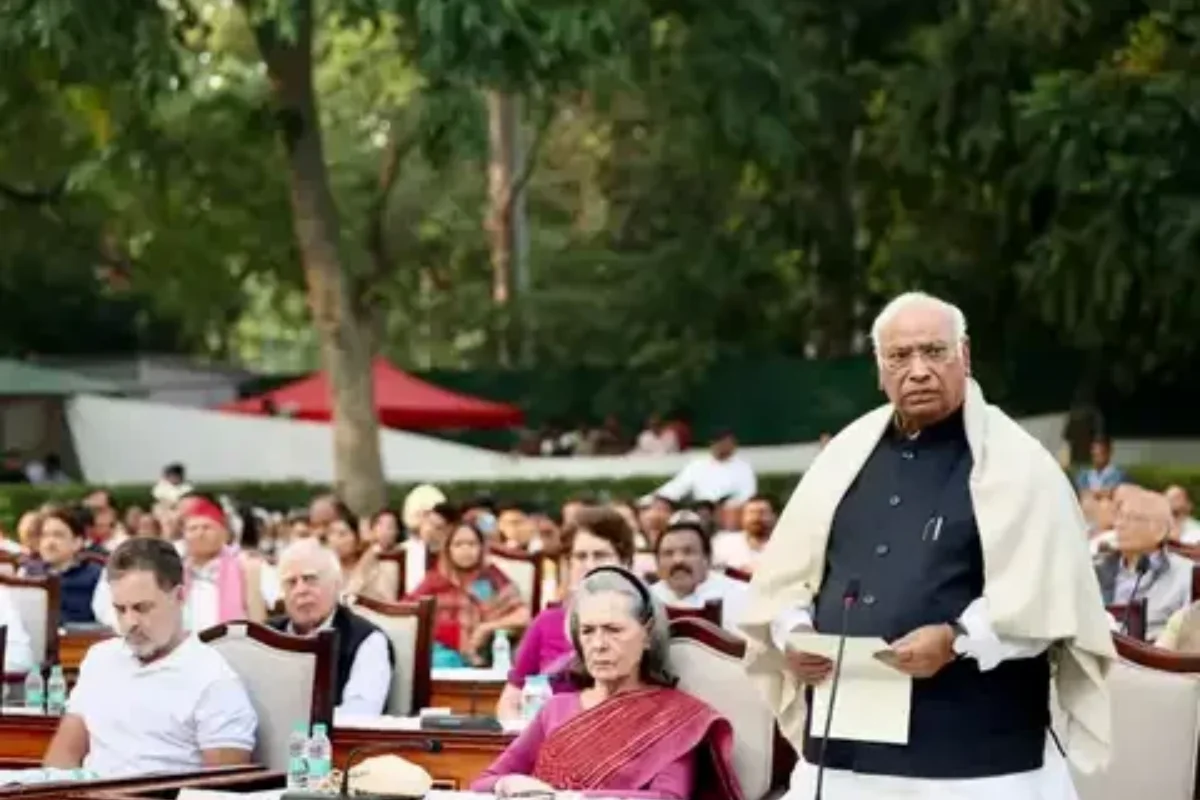
Gyanesh Kumar: Twenty-one INDIA bloc parties held a symbolic “public impeachment” of Chief Election Commissioner (CEC) Gyanesh Kumar on October 31. The event was held at Congress president Mallikarjun Kharge’s residence in New Delhi, with former Lok Sabha Speaker Meira Kumar chairing.
The Six Allegations
The resolution accused Kumar of:
DON'T MISS
- Taking part in a BJP plan to manipulate elections through voter roll changes
- Overseeing the deletion of 13.2 crore voters in the Special Intensive Revision (SIR)
- Changing Form 6 without parliamentary oversight
- Taking control of electoral rolls through the ECINET platform
- Shutting out the other two Election Commissioners
- Acting at the behest of Prime Minister Narendra Modi and Home Minister Amit Shah
ThePrint also reports that the resolution made allegations about benefits to Kumar’s family. These remain allegations and no findings of wrongdoing have been reported.
The ECI’s Position
The Election Commission of India (ECI) rejects the claims, according to The Logical Indian. In a recent Supreme Court affidavit, it said all SIR decisions were unanimous and that Form 6 was not amended. Earlier reports of dissent by two Election Commissioners fed opposition attacks in September.
Is This A Real Impeachment?
No. The event was a political exercise, not a constitutional proceeding. The Constitution does not use the word impeachment for the CEC. Removal needs a resolution passed by both Houses of Parliament, with two-thirds of members present and voting and more than half of the total strength, on grounds of proved misbehaviour or incapacity, The Tribune reports.
What Has Happened In Parliament
On April 6, the Rajya Sabha Chairman and Lok Sabha Speaker rejected notices signed by 130 Lok Sabha and 63 Rajya Sabha members, without giving specific reasons. The BJP called this a strong response to the misuse of constitutional provisions. A later notice by 73 Rajya Sabha MPs was reported as pending.