


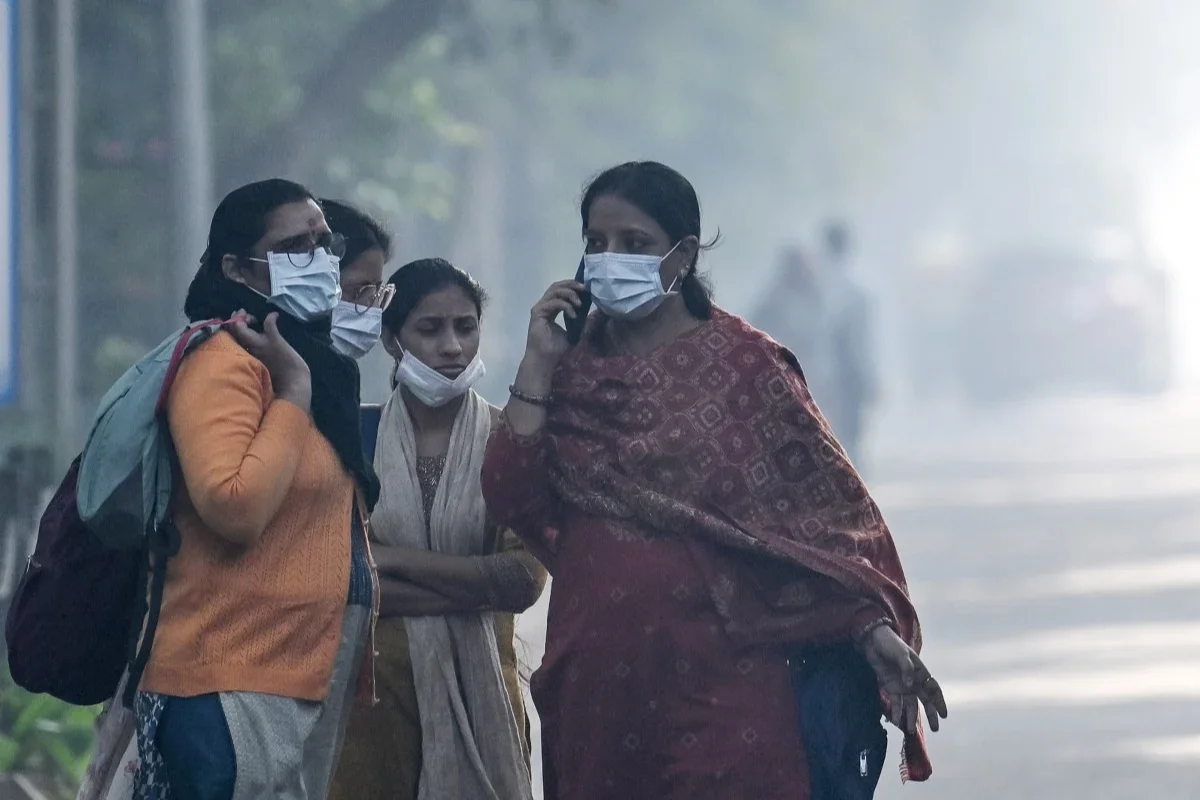
Delhi Pollution: Delhi woke up to a thick layer of smog on Friday, and residents had little choice but to breathe it in.
AQI Crosses the Severe Mark
Delhi’s overall AQI reached 403 on Friday, November 13, pushing the city into the “Severe” category. CPCB data showed 33 of the capital’s 58 monitoring stations reporting severe air quality. IIT Delhi recorded 487, the highest reading, followed by Chandni Chowk and North Campus at 476 each.
DON'T MISS
Why the Air Is Not Clearing
Warm, humid and nearly stagnant conditions have stopped pollutants from dispersing, leaving a smoky haze trapped over the city. Farm fire smoke and weak winds are also contributing. The IMD expects AQI to stay between “very poor” and “severe” until November 16. Residents should not expect quick relief.
Who Is Most at Risk
Air in the severe range can affect even healthy people. Children, older adults, pregnant women and people with asthma, COPD or heart conditions are most vulnerable. Common symptoms include a scratchy throat, dry cough, watery eyes, headaches and breathlessness.
Home Remedies to Soothe the Airways
These measures may ease irritation, but they do not clean the air or treat lung disease.
- Warm fluids: Sip warm water, herbal tea or ginger-tulsi-honey tea through the day to keep the throat moist. Avoid giving honey to children under one year.
- Saline gargles: Gargling with lukewarm salt water can ease throat irritation after time outdoors.
- Steam inhalation: A few minutes of gentle steam can loosen congestion. Keep the water at a safe distance, and take extra care with children.
- Turmeric milk: A traditional comfort drink that many people find soothing at night.
Remedies are secondary to reducing exposure. Limit outdoor exercise, keep windows closed during peak smog hours, and wear a well-fitted N95 mask outdoors. A HEPA air purifier can help indoors.