

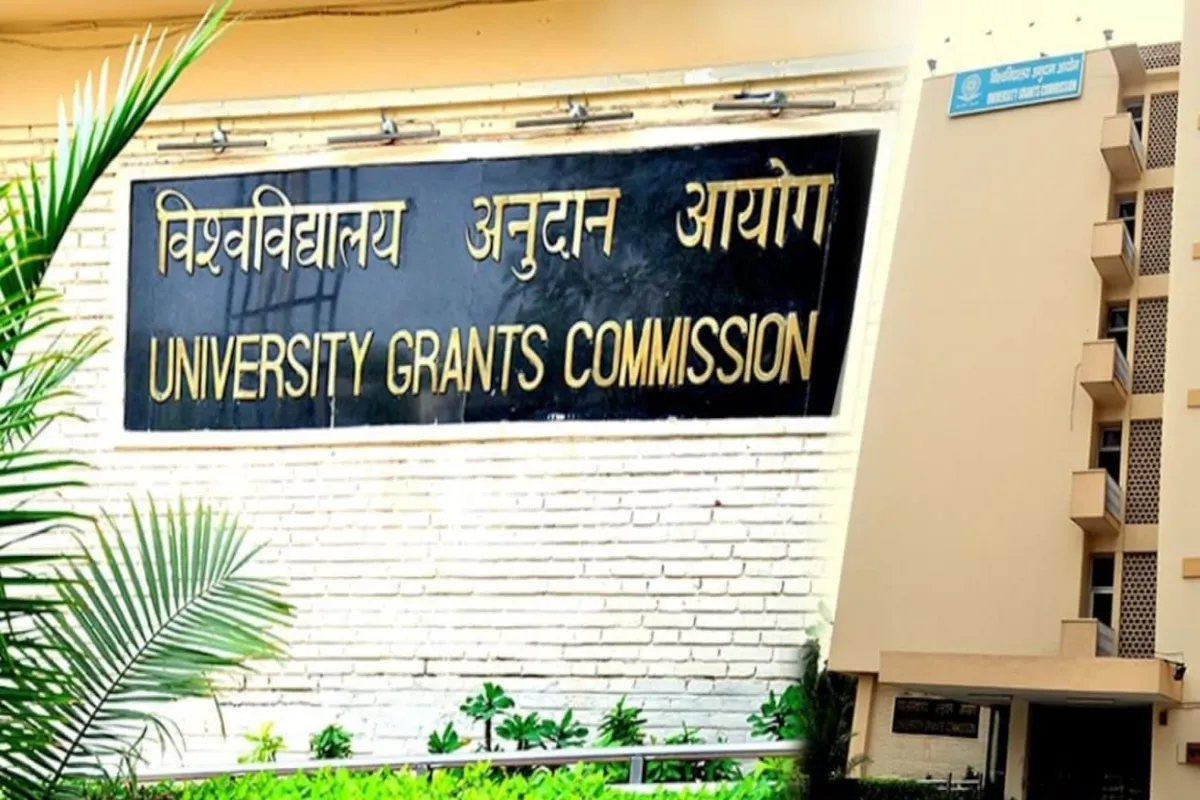

The new UGC guidelines on the Prevention of Caste-Based Discrimination in Higher Education Institutions have reignited a long-standing national debate—one that sits at the intersection of social justice, academic freedom, and institutional trust. While the intent behind these regulations is rooted in addressing genuine and persistent discrimination, critics argue that the framework may unintentionally deepen divisions rather than resolve them.
New UGC Guidelines: Are They Addressing Discrimination or Creating a New Caste Divide?
At a time when artificial intelligence is rapidly transforming universities worldwide, India’s higher education discourse appears to be circling back to older fault lines of caste, identity, and authority. Globally, universities are experimenting with AI-driven tutors, adaptive learning platforms, and future-ready curricula. In contrast, India’s campuses are once again consumed by concerns over identity-based regulation and control.
A Necessary Reform, But With Grey Areas
Discrimination in Indian universities is real and documented. According to UGC data, complaints of caste-based discrimination increased by 118.4% over five years, rising from 173 cases in 2019–20 to 378 in 2023–24. These figures reflect deep structural issues that cannot be dismissed or minimized.
However, the concern lies not in acknowledging discrimination, but in how it is being addressed. The new regulations grant expanded powers and introduce stricter compliance mechanisms, yet they remain vague on critical issues such as false accusations, misuse of provisions, and due process safeguards. This ambiguity has raised anxiety among faculty members and students alike.
DON'T MISS
Fear vs. Fairness in Academic Spaces
Universities thrive on dialogue, debate, and trust. If campuses begin to function under constant fear of scrutiny and accusation, the consequences may extend far beyond paperwork and committees. Silenced classrooms, cautious mentorship, and eroded confidence could become the unintended outcomes of an overly rigid framework.
Generations from Boomers to Gen Alpha were not raised in an era where many social evils were openly practiced. They have grown up expecting fairness and opportunity, not permanent suspicion based on identity. The fear is that identity-based regulation, if unchecked, may replace discrimination with defensiveness and disengagement.
Balancing Social Justice and Educational Purpose
Reservation policies remain essential to correcting historical injustice, and awareness around caste discrimination has undoubtedly increased. At the same time, economic hardship continues to affect students across categories, often making education itself a struggle for survival.
Universities today are already grappling with faculty shortages, limited funding, administrative overload, and global competitiveness. Adding layers of unclear regulatory pressure risks diverting attention from their core mission—learning, research, and innovation.
The Larger Question
The debate unfolding across campuses is not about whether protection is needed. It is about whether the current framework strikes the right balance between justice and trust, accountability and academic freedom.
Caste has shaped India for centuries, influencing opportunity, access, and identity. Breaking its hold requires sensitivity, clarity, and consensus—not frameworks that may unintentionally create new vulnerabilities while attempting to address old wounds.
As India positions itself in a rapidly changing global education landscape, the challenge is clear: can the system fight discrimination without turning universities into battlegrounds of identity? The answer will define not just policy outcomes, but the future of higher education itself.