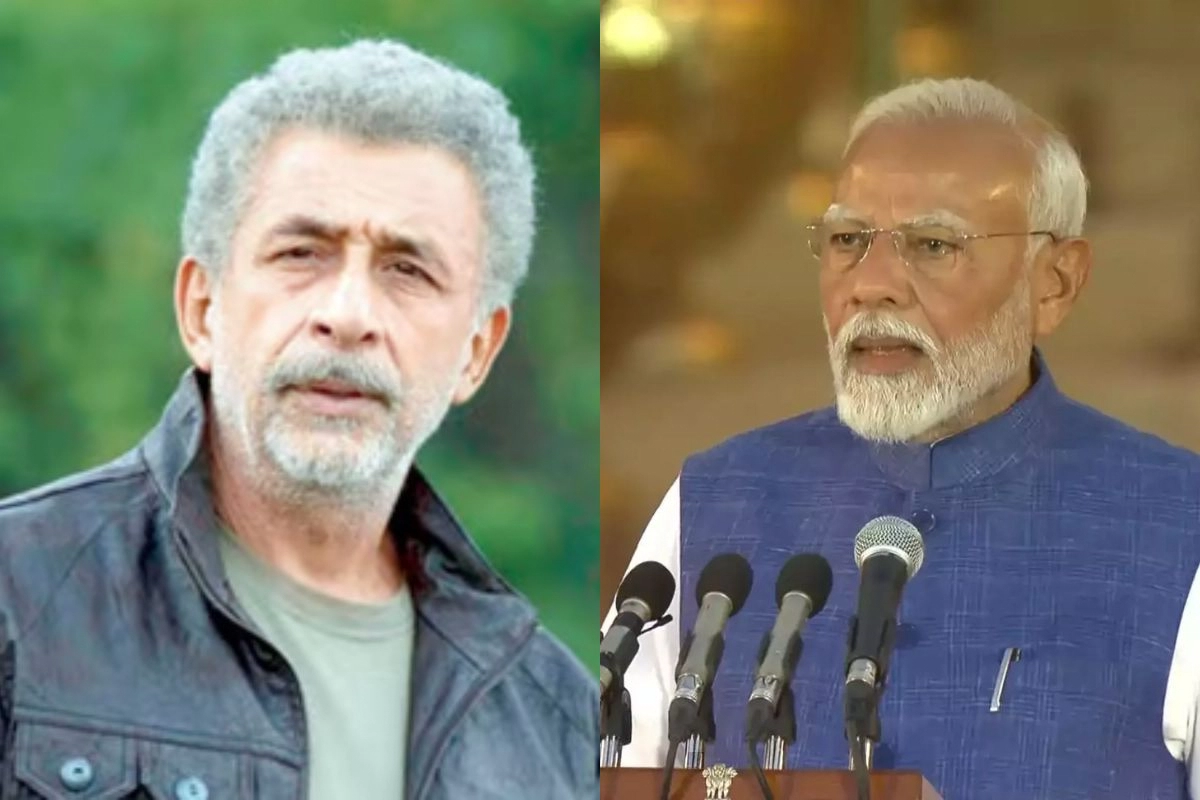
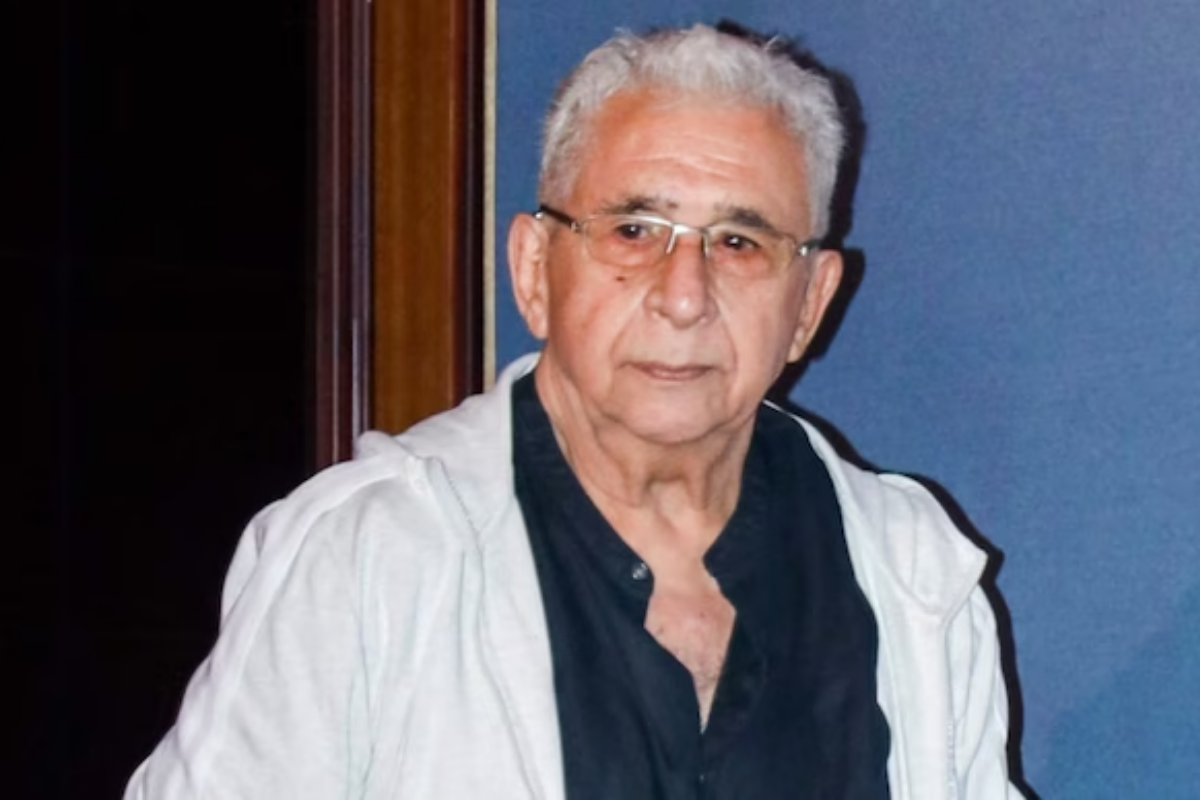
Veteran actor Naseeruddin Shah has claimed that Mumbai University disinvited him from its Jashn-e-Urdu programme at the last minute. Scheduled to speak on 1 February, Shah says he was informed late on 31 January that his presence was “not required.” No reason, apology, or clarification was provided. According to him, the audience was falsely told that he had refused to attend, a narrative he described as “rubbing salt in the wound.”
DON'T MISS
The Vishwaguru Politics Angle
Shah has linked the incident to what he calls “Vishwaguru” politics. He stressed that his long-standing criticism is directed at the style of governance of the current leadership, not India itself. Reports indicate that a senior university official allegedly claimed he “openly makes statements against the country,” a charge Shah rejects and challenges to substantiate. He frames the episode as part of a broader climate where dissenting voices in academia and culture are unwelcome.
Public and Academic Implications
Commentaries suggest that Shah’s case reflects concerns about academic freedom and shrinking space for critical voices. High-profile invitations and disinvitations can be weaponised based on ideological comfort rather than merit. Universities now face scrutiny on whether they will protect plural viewpoints or align with prevailing political narratives, especially when critics like Shah are involved.
Shah’s Perspective
In a column, Shah wrote, “This is not the country I grew up in,” highlighting how personal slights intersect with political pressures. He frames his disinvitation as an example of the politicisation of cultural and academic spaces under the broader project of “Vishwaguru” politics, signalling a tension between personal expression and institutional compliance.