


Amul Masti Dahi Test: Curd is a daily staple in many Indian homes. We trust it for digestion, immunity and nutrition. From breakfast bowls to gym-friendly recipes, dahi plays a big role in everyday diets. So when a popular brand like Amul comes under the scanner, people pay attention.
A recent lab analysis video by Trustified, India’s first 100 percent blind testing certification programme, has sparked fresh debate. The video focused on Amul Masti Dahi and tested both its pouch and cup variants. While nutrition numbers looked fine, the hygiene results raised serious questions for one specific pack.
Let’s break down what the Amul Masti Dahi Test actually revealed, without panic and without hype.
Amul Masti Dahi Test: What The Lab Results Say
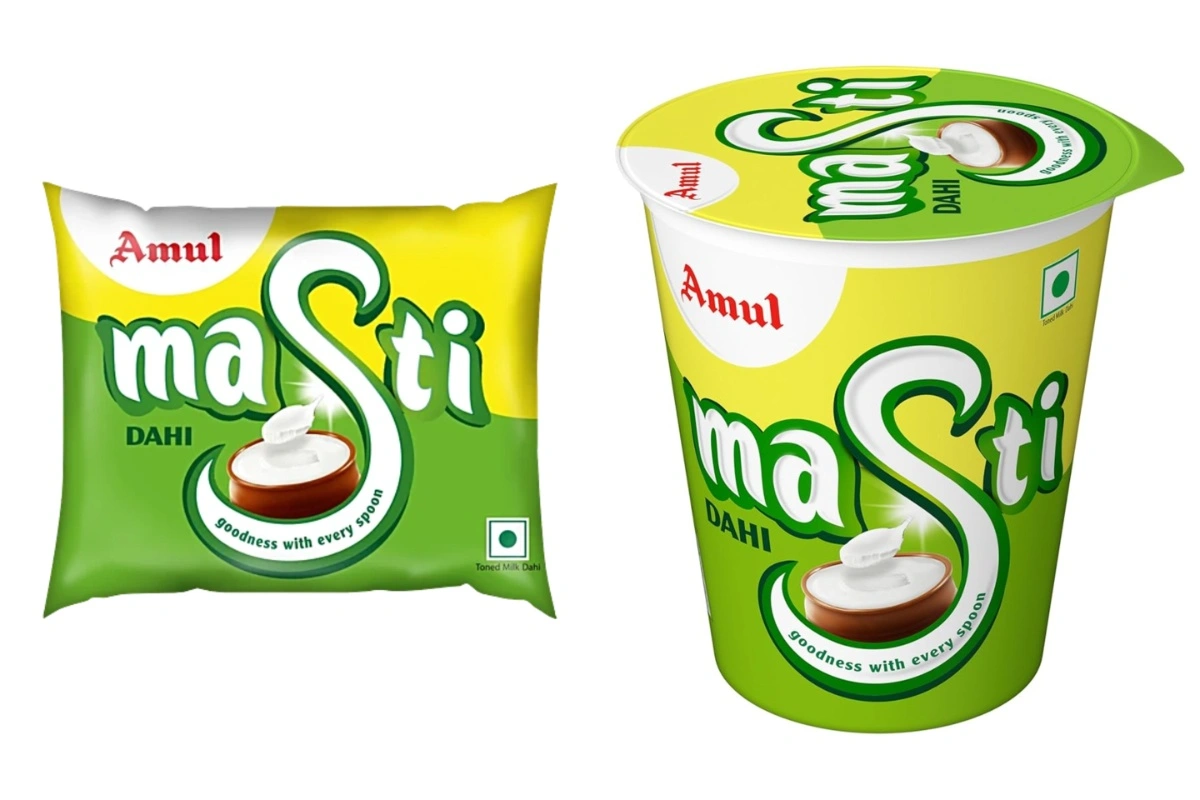
Amul Masti Dahi is sold in two common formats. The pouch variant costs Rs 35 for 400 grams. The cup variant costs Rs 50 for the same quantity. Ingredients are identical. Processing claims are the same. Yet the price difference is nearly 40 percent.
Because of this gap, the testing team decided to examine both variants.
For macro nutrition, both packs performed close to label claims. Protein was slightly higher than declared. Fats and carbohydrates were also marginally above stated values. Trans fat was below the limit of quantification. SNF, a key quality marker for curd, stood well above the FSSAI minimum of 8.5. Heavy metals, aflatoxins and pesticides were either not detected or below safe limits.
So from a nutrition and safety angle, things looked acceptable.
The concern came during microbiological testing of the pouch variant. While APC counts were expected and normal for curd, two harmful indicators stood out. Coliforms and yeast and mould were found far above FSSAI limits. Yeast and mould levels were reported at 60 times the safe limit. Coliforms were detected at nearly 2,100 times the permissible level. This points towards hygiene or handling issues, not ingredient problems.
DON'T MISS
Why The Cup Variant Told A Different Story
The cup variant showed a cleaner picture. Its macro values were similar to the pouch. More importantly, microbiological testing found no harmful bacteria apart from APC. All other parameters were below the limit of quantification.
The conclusion from lab data was that the issue was not nutrition, but hygiene, storage or handling, especially for the cheaper pouch format.
After the video gained traction online, Amul issued an official response.
The company called the content misinformation. Amul stated that Masti Dahi is produced in ISO-certified dairies and goes through over 50 quality checks. It added that dahi is a live product with healthy bacteria and must be handled carefully as per pack instructions.
Amul said, “Dahi is a live product with healthy bacteria and should be handled carefully as per the instructions on the pack. We are not sure how the sample was drawn and handled before testing.”
The company also stressed that both pouch and cup variants follow the same hygiene and processing steps. According to Amul, the packaging difference exists only to meet consumer needs, not quality standards.
The statement added, “Such videos have been used to create misinformation and spread unnecessary fear and concern among consumers.”
What are your thoughts on this Amul Masti Dahi Test? Tell us in the comments!