

Breast Cancer: Every year, millions of girls and women across the globe are diagnosed with breast cancer – one of the most debilitating health conditions. While age and genetics remain big risk factors, growing attention is being paid these days to lifestyle and dietary interventions to reduce the risk. Among these, flaxseed has emerged as a significant subject of scientific interest.
Understanding Breast Cancer And Modifiable Risks
Breast Cancer develops abnormal cells in the breast tissue that start proliferating abnormally, often influenced by environmental, genetic and hormonal factors. Obesity, estrogen exposure, alcohol consumption, poor dietary habits and sedentary lifestyle could be some of the biggest modifiable contributors. Thankfully, preventive strategies like the consumption of flaxseed could help in improving hormonal balance, reducing inflammation and supporting cellular health.
DON'T MISS
What Makes Flaxseed Unique?
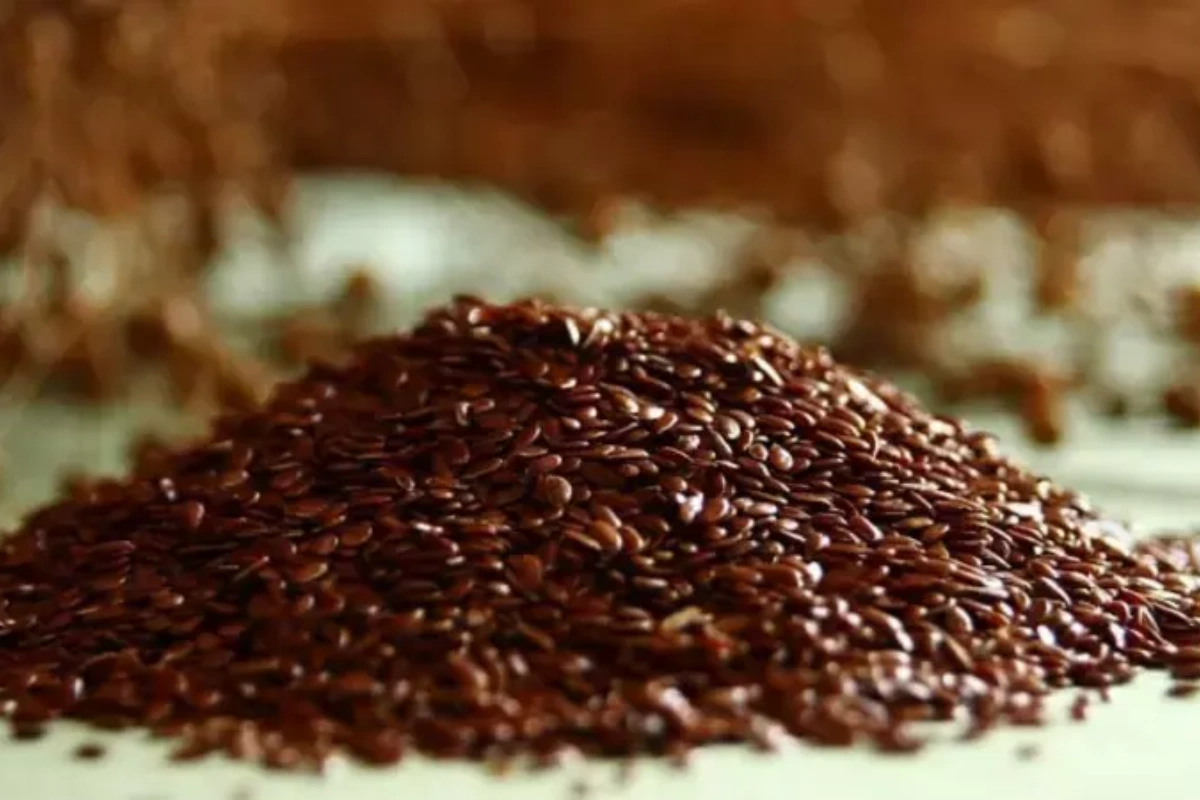
Flaxseed (Linum usitatissimum) is a rich source of Lignans (phytoestrogens) that helps in modulating estrogen activity. They are also a rich source of Omega-3 fatty acids (ALA) that are known for their powerful anti-inflammatory properties. Flaxseed is also an excellent source of dietary fibre that supports gut health and metabolic balance.
What Does the Evidence Say?
Several observational studies and clinical trials have demonstrated that flaxseed’s lignans could be beneficial to reduce the effects of stronger endogenous estrogen. Moreover, flaxseed could help in slowing down the proliferation of cancerous tumours and angiogenesis. It could also be helpful to reduce tumour markers in certain patients.
To get started, you may consume 1-2 tablespoons of ground flaxseed daily. It is best to prefer freshly ground seeds for better nutrient absorption and you may add flaxseed to curd, oatmeal, smoothies or whole-grain dough.
Disclaimer: This content, including advice, provides general information only. It is not a substitute for a qualified medical opinion in any way. The methods and claims mentioned in this article should be considered as suggestions only; DNP India neither confirms nor denies them. Always consult a doctor before following any such suggestions/treatments/medications/diets.