

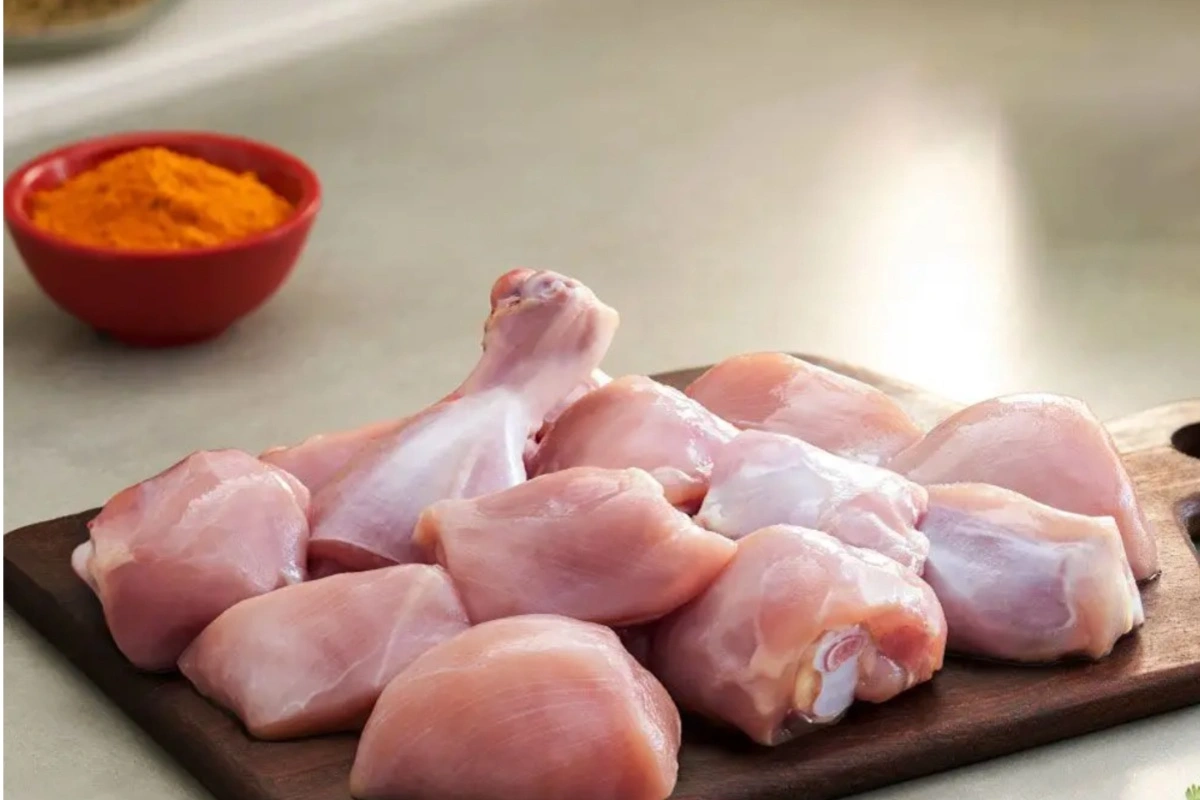
Chicken Test: Chicken is a daily food for many homes. But questions around safety, antibiotics, and quality never really stop. Every brand claims to be clean. Every label promises the best. So what actually happens when chicken goes through a real lab test, without brand control? That is exactly what this video tries to answer. And the results may surprise you.
What This Chicken Test Is Really About
This Chicken test is part of Trustified, India’s first and only 100% blind testing certification programme. Lab testing food is not cheap or easy. It takes money, time and research. Experts first decide which parameters matter for a specific food category. Only then does the testing begin. After that, the full lab report is shown openly. What you choose to eat after seeing the data is completely your call.
One important point is made clear in the video. If one product shows traces of antibiotics, it does not mean the entire food category is unsafe. One brand failing does not make all brands guilty. This is said to avoid panic and food fear. No other brands were tested or targeted here. They were mentioned only as examples to explain the logic.
For Licious chicken, the lab collected the sample directly. This was done to maintain temperature and freshness. If the creators had ordered and shipped it themselves, the meat could have spoiled. The lab handled the process end-to-end, which adds credibility to the test.
DON'T MISS

Test Results: What The Lab Found
The testing was done across seven levels.
Level 1 focused on nutrition accuracy.
Licious claims 21.6 grams of protein per 100 grams. The lab found 20.74 grams. Carbs were claimed as zero, and the lab found them below the limit of quantification. Fat content was higher than the claim. The label says 4.5 grams, while the lab found 6.21 grams.
Level 2 checked rancidity.
Rancidity was absent. This means the fat had not oxidised and had not gone bad.
Level 3 tested aflatoxins.
All values were below LOQ.
Level 4 looked for synthetic colours.
No synthetic colours were detected.
Level 5 analysed heavy metals.
All heavy metals were below LOQ.
Level 6 focused on pesticides.
All pesticides were below LOQ. Only elemental copper was detected, and that too within safe limits.
Level 7 tested antibiotics and banned drugs.
All antibiotics were below LOQ. Even banned drug metabolites like nitrofurans, nitroimidazole, chloramphenicol, and malachite were not detected above safe limits.


