

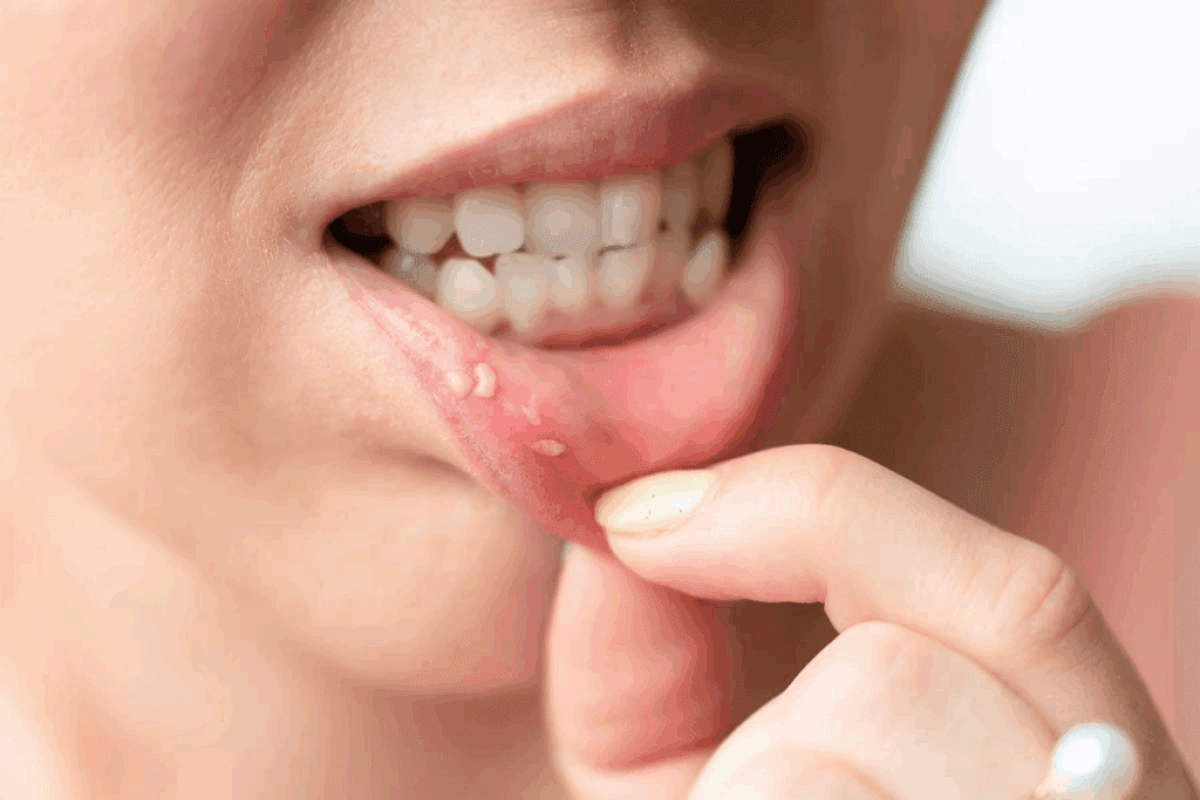
Oral Cancer: For most individuals experiencing an ulcer, the most symptoms usually seem to be spicy foods, accidental bites or stress. In a recently shared video on Instagram, top Ear, Nose & Throat (ENT) surgeon shares how to differentiate between a harmless ulcer and a potentially dangerous (malignant, cancerous) one.
The Usual Course of Mouth Ulcers
The majority of oral ulcers are benign (non-cancerous) and they usually heal within 7-10 days. Their size reduces gradually and the pain associated with them may be intense initially but improve with time.
When Should You Be Concerned?
If an ulcer has lasted for more than 2-4 weeks and its size keeps on increasing, it is a serious red flag. Moreover, an ulcer with raised or irregular edges, bleeds on touch or painless but persistent could be an early sign of bigger trouble ahead of you.
DON'T MISS
Note: Early oral cancer may be deceptively painless, which may result in medical advice delays.
Why Early Oral Cancer Is Often Missed?
Generally, the signs of early oral cancer may not be dramatic. It may present as a patch that appears red or white, small size or a slightly thickened area inside the mouth. Most patients try home remedies or over-the-counter treatments for weeks or even months.
Risk Factors You Should Not Ignore
You should observe a high sense of care and diligence if you have a persistent ulcer along with any of the following:
- Poor oral hygiene
- Tobacco use (chewing or smoking)
- Excessive alcohol consumption
- Previous history of oral lesions
- Chronic irritation (sharp teeth, ill-fitting dentures)
Practical Tips For Self-Monitoring
Do make it a point to regularly evaluate yourself in a mirror after every few weeks. Pay attention to any patches, unusual growths or ulcers in your mouth. Observe carefully for changes in colour, texture or size. If something does not seem right, you must immediately seek qualified medical intervention.
Golden rule to diagnose early oral cancer: When in doubt, get it checked. Always.
Disclaimer: This content, including advice, provides general information only. It is not a substitute for a qualified medical opinion in any way. The methods and claims mentioned in this article should be considered as suggestions only; DNP India neither confirms nor denies them. Always consult a doctor before following any such suggestions/treatments/medications/diets.


