

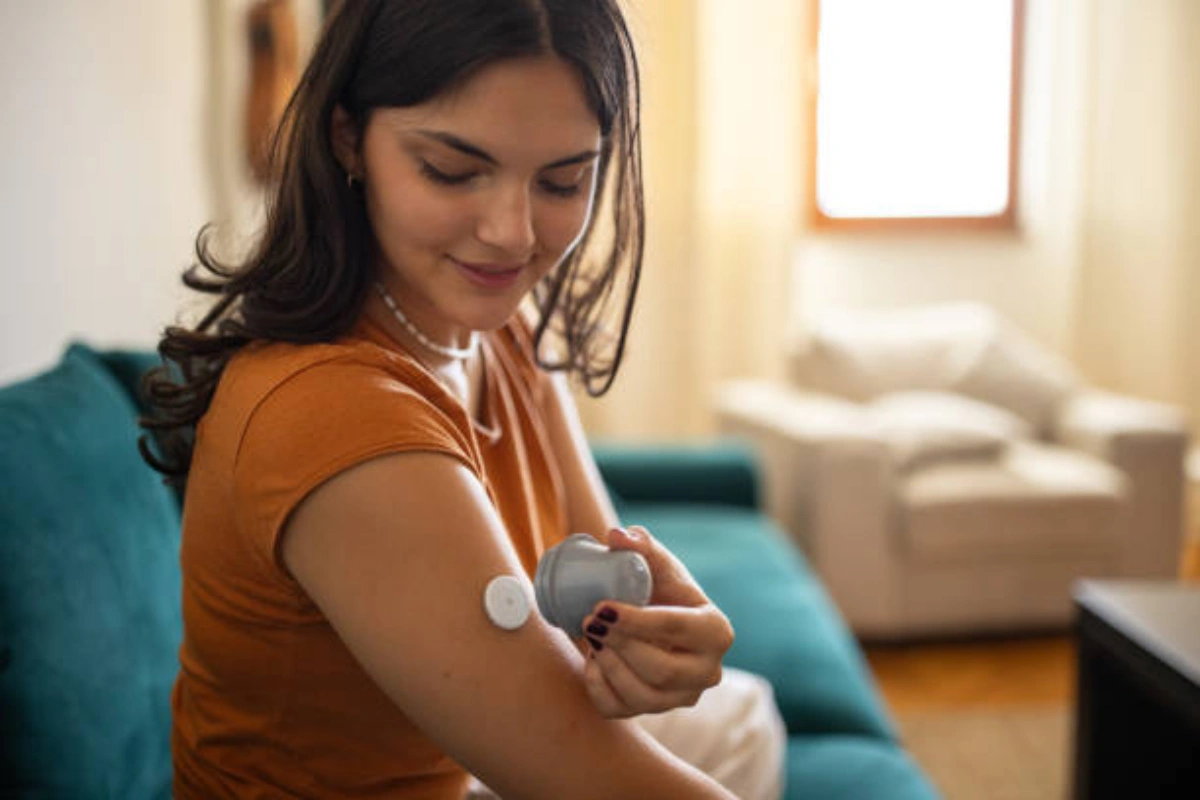
Diabetes: For millions of people across the world, Diabetes, particularly type 2 diabetes, is a serious health challenge that is primarily driven by modern lifestyle patterns. At the core of this severe and debilitating health condition lies insulin resistance, which is a metabolic dysfunction where the body cells fail to respond effectively to insulin. This results in elevated blood sugar levels. Several studies have demonstrated that Vitamin B1 or Thiamine could help reverse insulin resistance.
Diabetes-Understanding Insulin Resistance
Insulin is a hormone that allows glucose to enter body cells to be used for energy. In individuals with insulin resistance, body cells become less responsive to the signals of insulin. This forces the pancreas to produce more insulin to compensate. Over time, this could result in chronically high levels of blood sugar and eventually Type 2 diabetes.
DON'T MISS
The Role of Vitamin B1 in Metabolism
A water-soluble vitamin, Thiamine or Vitamin B1 is essential for carbohydrate metabolism. This vitamin plays a crucial role when it comes to converting glucose into energy by acting as a cofactor for enzymes that are involved in mitochondrial function.
In other words, the lack of vitamin B1 could make the body struggle when it comes to processing carbs. Moreover, this could result in a buildup of glucose and other metabolic byproducts, contributing to insulin resistance and oxidative stress.
Here’s how vitamin B1 may support insulin sensitivity:
- Vitamin B1 supports insulin sensitivity by enhancing the activity of enzymes that helps in metabolizing glucose, reducing the accumulation of blood sugar.
- It neutralizes oxidative damage and stress to protect cells and improve metabolic function.
- Thiamine could help maintain healthy pancreatic cells that are essential for insulin production.
- Vitamin B1 helps in reducing the formation of advanced glycation end products (AGEs) that interfere with insulin signalling and contribute to complications of diabetes.
Tips & Precautions
- Consume Thiamine-rich foods such as legumes (beans, lentils), nuts, seeds, lean meat, eggs and whole grains (oats, brown rice).
- Limit the intake of excess sugar, ultra-processed foods and artificial additives that could disrupt the microbiome and worsen insulin resistance.
- Include fibre-rich foods such as fresh and seasonal fruits and vegetables along with fermented foods such as traditional pickles and yogurt.
Disclaimer: This content, including advice, provides general information only. It is not a substitute for a qualified medical opinion in any way. The methods and claims mentioned in this article should be considered as suggestions only; DNP India neither confirms nor denies them. Always consult a doctor before following any such suggestions/treatments/medications/diets.


