

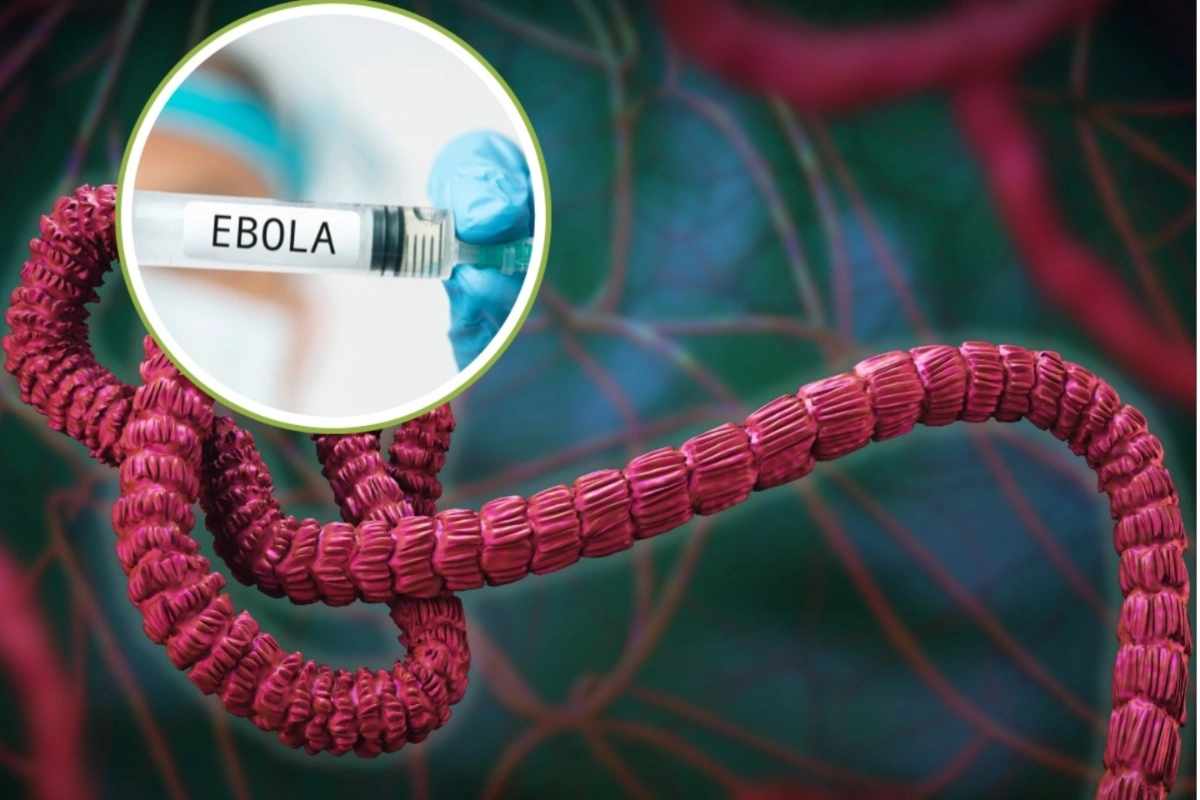
A deadly Ebola outbreak in the Democratic Republic of Congo (DRC) has raised fresh global concern after at least 131 deaths and more than 513 suspected cases were reported. The World Health Organisation (WHO) has declared the situation a “Public Health Emergency of International Concern” as the virus continues to spread across regions in Central Africa.
The current Ebola outbreak is linked to the rare Bundibugyo strain of the virus. Health experts say this strain is especially worrying because there is currently no approved vaccine specifically designed for it. Cases have already spread from Congo to neighbouring Uganda, increasing fears about wider regional transmission.
What Is Happening In Congo?
According to WHO reports, the Ebola outbreak started in eastern Congo’s Ituri province. Several affected areas include Mongbwalu, Bunia, Butembo and Goma. Uganda has also confirmed imported Ebola cases connected to Congo.
One of the biggest concerns is that healthcare workers have also become infected while treating patients. This suggests the virus is spreading inside hospitals and clinics. WHO Director-General Tedros Adhanom Ghebreyesus recently said he was “deeply concerned about the scale and speed of the epidemic.”
Health officials believe the virus may have circulated unnoticed for weeks before the outbreak was officially detected. That delay may have helped the infection spread faster across communities.
Should India Worry About The Ebola Outbreak?
At present, there are no confirmed Ebola cases in India. Experts also say the immediate risk to India remains low because Ebola spreads differently from COVID-19.
DON'T MISS
Ebola is not an airborne disease. It mainly spreads through direct contact with bodily fluids such as blood, vomit, saliva, sweat, or contaminated surfaces from an infected person.
However, health experts say India should still remain alert. International travel can increase the risk of imported cases. During earlier Ebola outbreaks, Indian authorities strengthened airport screening, quarantine systems, and surveillance for travellers arriving from affected African countries.
The WHO has already advised countries to improve border screening, contact tracing, hospital preparedness, and emergency response systems.
Why Global Health Agencies Are Concerned After Ebola Outbreak
Unlike previous Ebola outbreaks that stayed mostly limited to remote regions, this outbreak has now reached urban areas including Goma and parts of Uganda. Population movement and delayed diagnosis are making containment more difficult.
The US Centers for Disease Control and Prevention (CDC) has already introduced enhanced traveller monitoring and restrictions linked to affected regions. The United States has also issued a Level 4 travel advisory against travelling to Congo.
Meanwhile, neighbouring African countries including Rwanda and Nigeria have tightened border checks and emergency preparedness measures.
Ebola Symptoms People Should Know
Doctors say Ebola symptoms can appear between 2 and 21 days after exposure to the virus.
Common Ebola symptoms include:
- Fever
- Severe weakness
- Headache
- Muscle pain
- Vomiting
- Diarrhoea
- Bleeding in severe cases
Health experts say early diagnosis and quick medical care can improve survival chances significantly.
No Need For Panic Right Now
Global health agencies currently do not consider the Ebola outbreak a pandemic-level threat like COVID-19. WHO has clarified that although the situation is serious, it does not currently meet the criteria for a global pandemic.
Still, the rising death toll, lack of a vaccine for this strain and spread into multiple countries have made authorities extremely cautious.
For India, experts say there is no immediate reason to panic. However, strong surveillance, airport screening, and public awareness will remain important as the Ebola outbreak continues to develop.


