

%20in%20Gorakhpur%20has%20seized%20approximately%2030%20tonnes%20of%20chickpeas%20(roasted%20chana).)
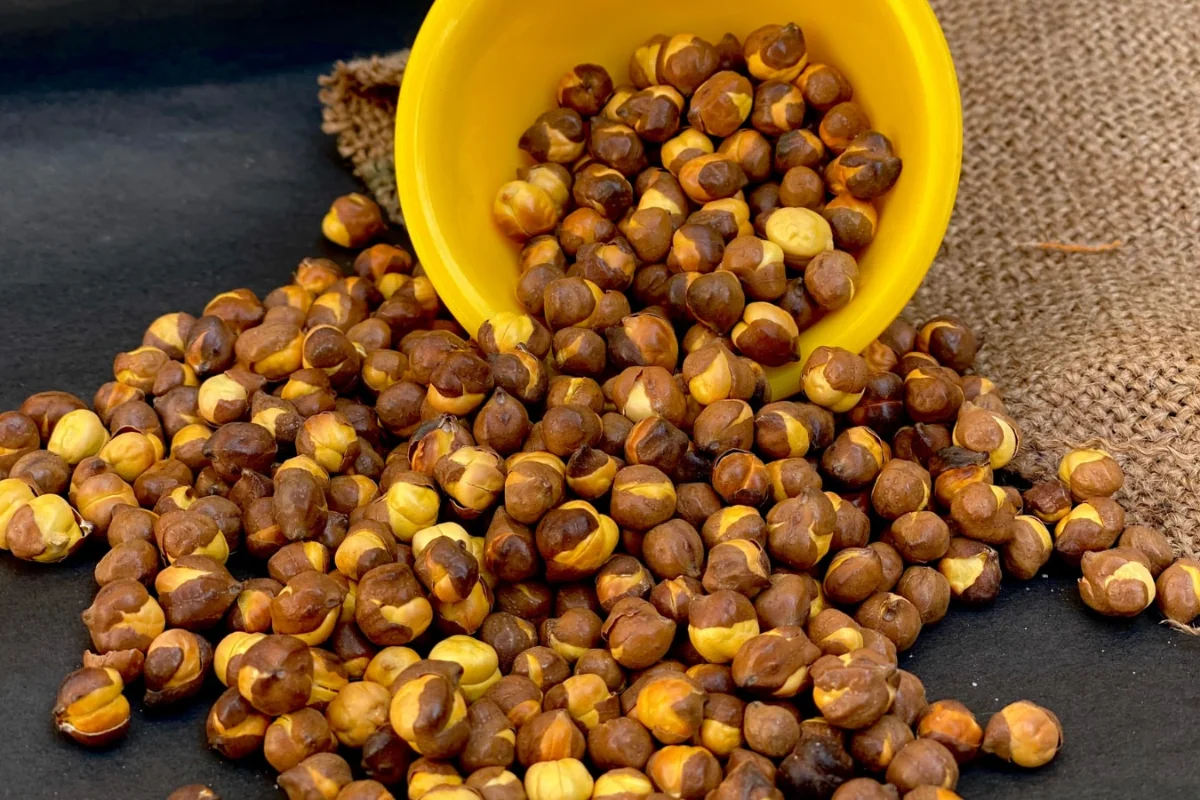
Gorakhpur Chana News: The Food Safety Department (FSD) in Gorakhpur has seized approximately 30 tonnes of chickpeas (roasted chana) that were coloured with severely hazardous chemicals.
During a raid on December 17 morning, stock worth Rs. 18 lakh was found by the FSD team to have been adulterated with Auramine O (bright yellow fluorescent diarylmethane dye).
Auramine O is primarily used in leather and cloth products for colouring. It can cause severe and irreparable damage to the kidneys and liver. Furthermore, Auramine O can significantly increase the risk of cancer because of DNA changes.
DON'T MISS
Where Was The Adulterated Stock Found?
The adulterated chickpeas stock was found at Maa Tara Traders, Sahabganj Geeta Press, Madhya Pradesh and SVG Pulses, Shriram Dal Industries of Industrial Area Katni and Baluta Bazar of Chattisgarh.
Consignment Details
The seized consignment included 775 bags of roasted chickpeas that were sent to M/S Maa Tara Traders from Shriram Dal Industries on December 10. During the raid, each bag was found to include 40 kilograms of chickpeas, with 400 bags being ordered. Out of this, 375 bags were already sold. A kilogram of fake chickpeas was purchased for Rs. 58.
Why Was The Chickpeas Adulterated?
Chickpeas are coated with Auramine, a chemical, which offers a bright yellow colour to them. This helps in resembling a chemical that appears like turmeric powder that is then diluted and mixed into the chickpeas. It is done to give a fresh and appealing texture to the coated chana.
How To Identify Adulterated Chickpeas?
You can perform the following tests at home to identify adulterated chickpeas:
- Smell Test: You can soak the chickpeas in water and smell them. A chalky, chemical or soapy odour signals that it has been adulterated. If there is a mild earthy smell, the chickpeas are probably good.
- Water Test: You can soak some chickpeas in a glass full of water and stir it gently. If the water turns chalky or milky, there might be a high chance that it is adulterated with chemicals such as chalk powder or talc.
- Rub Test: Try rubbing a few chickpeas on a white cloth. If there is an appearance of reddish or yellowish stains, it indicates artificial colouring.
- Heal Test: You can heat the few grains in a pan without using oil. The presence of adulteration will be indicated if a chemical is present.
Disclaimer: This content, including advice, provides general information only. It is not a substitute for a qualified medical opinion in any way. The methods and claims mentioned in this article should be considered as suggestions only; DNP India neither confirms nor denies them. Always consult a doctor before following any such suggestions/treatments/medications/diets.