

A heart attack often feels sudden and unexpected. But doctors say the damage inside the body usually begins years before any warning signs appear. Many people feel healthy right up to the day an emergency strikes. Now, a specialist has explained how long this silent process can actually begin before a heart attack happens.
Heart disease does not appear overnight. It slowly builds inside the arteries, often without pain or clear symptoms. Understanding this early process can help people take better control of their health.
Heart Attack Explained By Specialist
In a YouTube video shared by HVS Hospitals Mumbai, Dr Harshad Sagar explained how high blood pressure silently damages the arteries over time.
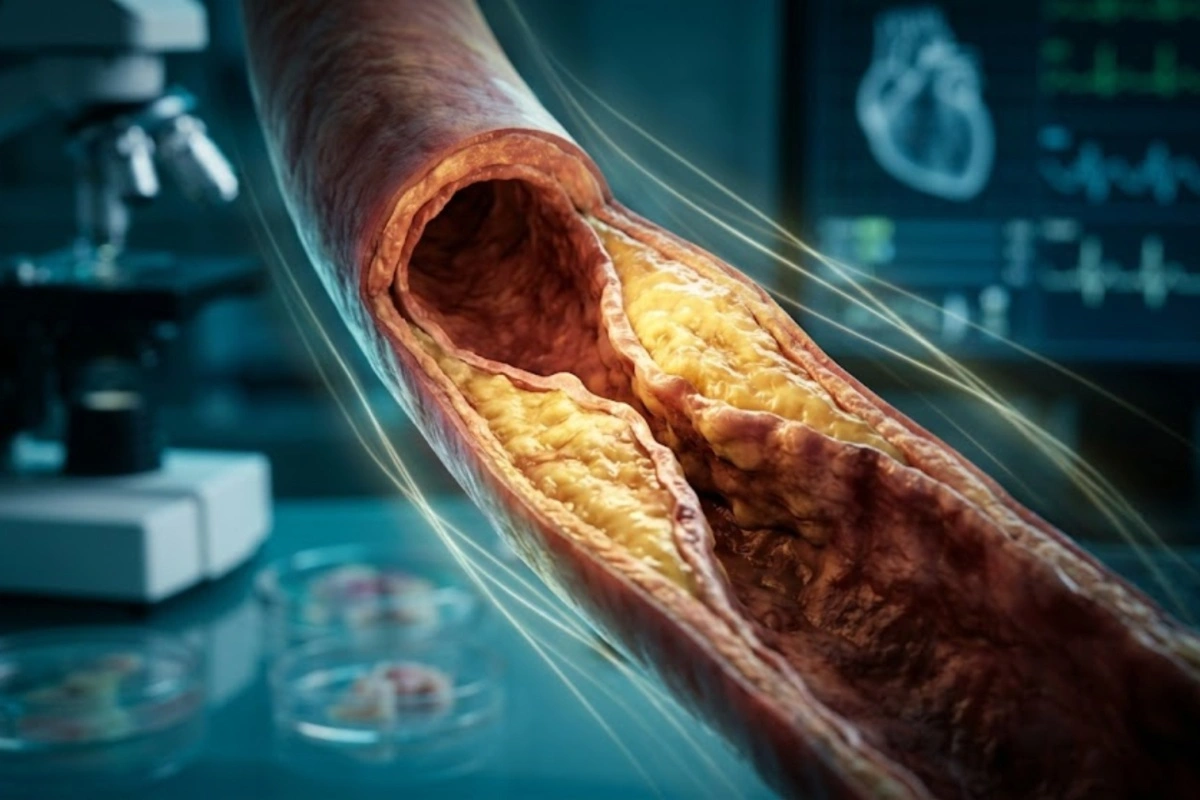
He said coronary arteries can be compared to pipes under constant high pressure. Over the years, these “pipes” develop cracks and plaque build-up. Eventually, they can become blocked. This process is not sudden but develops slowly due to long-term stress on the body.
Dr Sagar explained that a heart attack is the final result of this damage, which often begins 5 to 10 years earlier. He added that doctors frequently see patients in the cath lab who feel completely fine until the moment they suffer a heart attack. The blockage they treat often started developing many years before.
He further stated that if someone has high blood pressure and has not undergone a cardiac evaluation, the damage inside the body may already be progressing. However, he also emphasised that it can still be controlled if detected in time.
DON'T MISS
Heart Attack Risk From High Blood Pressure
High blood pressure is one of the biggest risk factors for a heart attack. According to World Health Organisation (WHO), hypertension can damage blood vessels over time and increase the chances of heart disease, stroke, and kidney problems.
A few important risks linked to high blood pressure include:
- Damage to artery walls over time
- Build-up of fatty deposits (plaque)
- Reduced blood flow to the heart
- Increased strain on the heart muscle
These changes often happen silently. That is why many people do not realise they are at risk until a serious event occurs.
Doctors recommend regular blood pressure checks, healthy diet choices, exercise and early screening for those with risk factors like smoking, diabetes, or family history.
Prevention And Early Action
Experts agree that early action can make a big difference. Lifestyle changes can slow or even stop the damage process. This includes controlling salt intake, staying active and managing stress.
Most importantly, doctors stress not ignoring high blood pressure. Even without symptoms, it can silently affect the heart for years.