


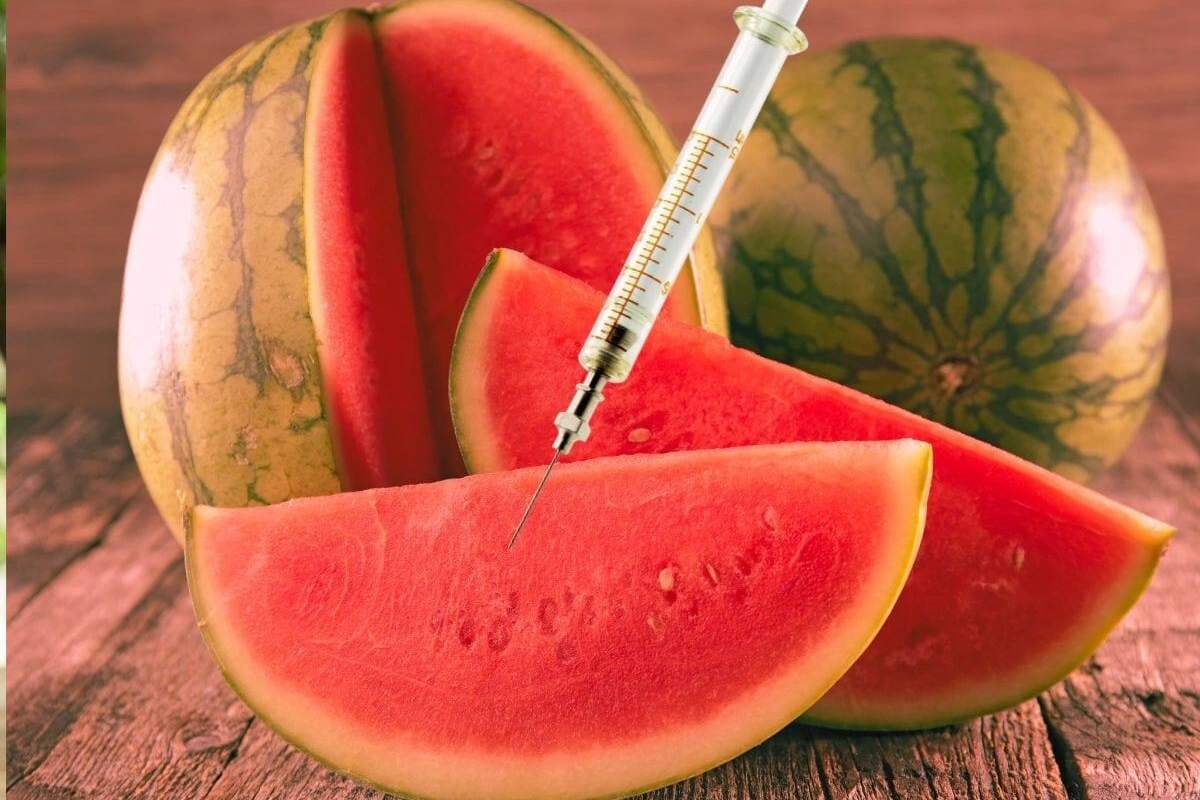
Watermelon Purity: For many of us, the hydrating, naturally sweet and refreshing watermelon is synonymous with summer. However, concerns about artificially enhanced fruits have entered public conversation in recent months, especially the idea of “injection loaded” watermelons. Many fruit vendors and producers inject watermelons with colouring agents or chemicals to enhance ripeness, visual appeal and sweetness.
In a recently shared video on Instagram, ACE-certified health and nutrition experts shared tips on how to differentiate between quality produce and separating myths from practical observation.
Watermelon Purity-How To Evaluate?
The exteriors of a watermelon could offer important hints about its ripeness, purity and quality. For instance, naturally-grown watermelons tend to have a uniform shape and a dull, matte finish instead of an overly shiny surface. Ideally, the rind of the watermelon should feel firm and free from unusual soft spots or puncture marks.
DON'T MISS
Reliable Indicators
One of the most reliable indicators is the “field spot”, which is the creamy yellow patch where the watermelon rested on the ground while ripening. A natural watermelon will usually have a well-developed yellow or slightly orange field spot, indicating it ripened fully on the vine. If this spot is missing or appears pale white, the fruit may have been harvested prematurely.
Once cut, a natural watermelon should display a vibrant but not overly intense red or pink colour, with a consistent gradient from the centre outward. Moreover, the flesh should appear firm yet juicy, with well-distributed black or brown seeds (or white seeds in hybrid varieties).
Disclaimer: This content, including advice, provides general information only. It is not a substitute for a qualified medical opinion in any way. The methods and claims mentioned in this article should be considered as suggestions only; DNP India neither confirms nor denies them. Always consult a doctor before following any such suggestions/treatments/medications/diets.