

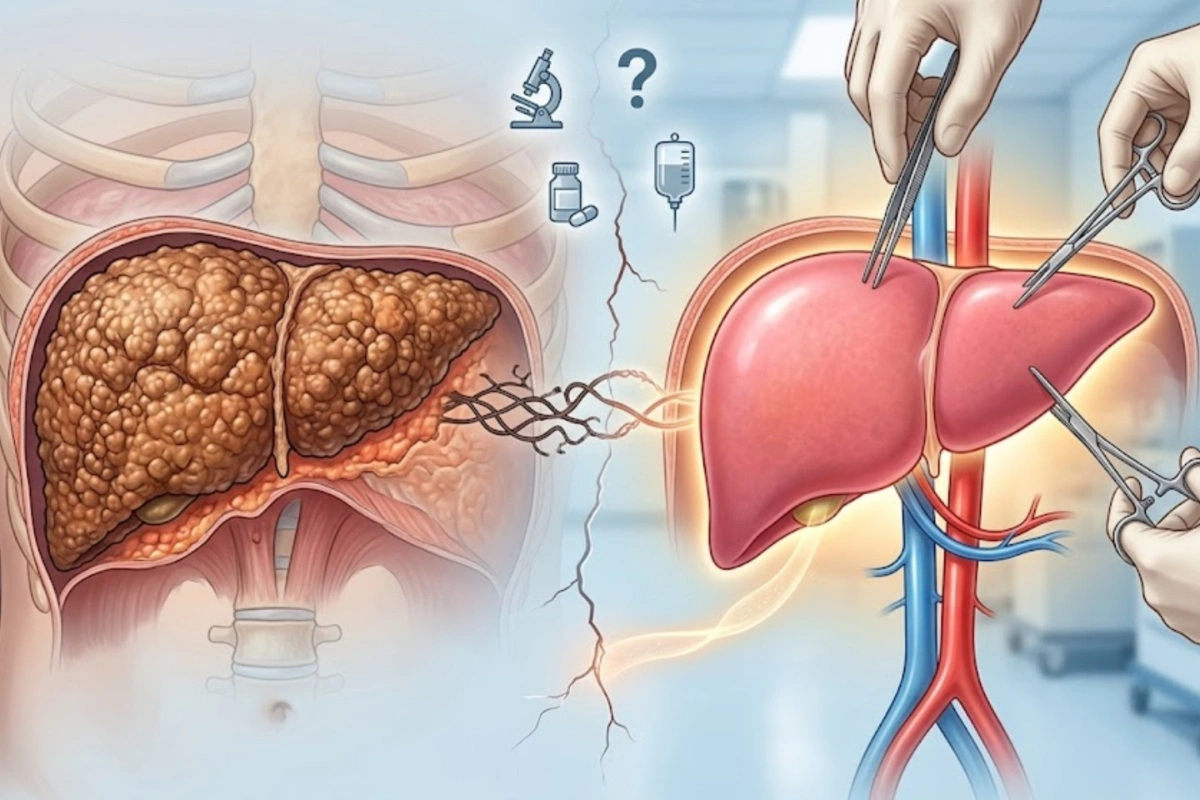
Liver cirrhosis is a serious condition that affects millions worldwide. But what exactly is it, and how dangerous can it be? In simple terms, liver cirrhosis happens when the liver slowly gets damaged over time, and its normal tissue is replaced by scar tissue. This scarring makes it harder for the liver to do its job, like cleaning toxins from the blood, producing essential proteins, and storing energy.
People often ignore early symptoms because they can be mild. However, once complications start, it can become life-threatening. A recent discussion by Dr Rajiv Lochan from Manipal Hospitals sheds light on what patients and families need to know about this condition.
DON'T MISS
Liver Cirrhosis And Its Progression
According to Dr Lochan:
- Once cirrhosis develops, no medicine can reverse the liver damage.
- The main goal of treatment at this stage is to monitor and manage complications, such as fluid buildup, infections, or bleeding.
- Cirrhosis can remain stable for several years, but when the liver begins to fail or “decompensates,” a liver transplant is usually recommended.
Some causes of liver cirrhosis, like hepatitis B, hepatitis C, or autoimmune liver disease, can be controlled to a certain extent with medications. But even then, there is no complete cure except a liver transplant.

When A Liver Transplant Becomes Necessary
The decision to undergo a liver transplant is complex and requires careful evaluation at a specialised liver center. Doctors consider many factors before recommending surgery, including the patient’s overall health, age, and the severity of liver damage.
It’s important to understand that not every patient with cirrhosis needs a transplant immediately. With proper care and monitoring, some people live for years with stable cirrhosis. However, early detection and regular medical supervision are critical to prevent serious complications.


