

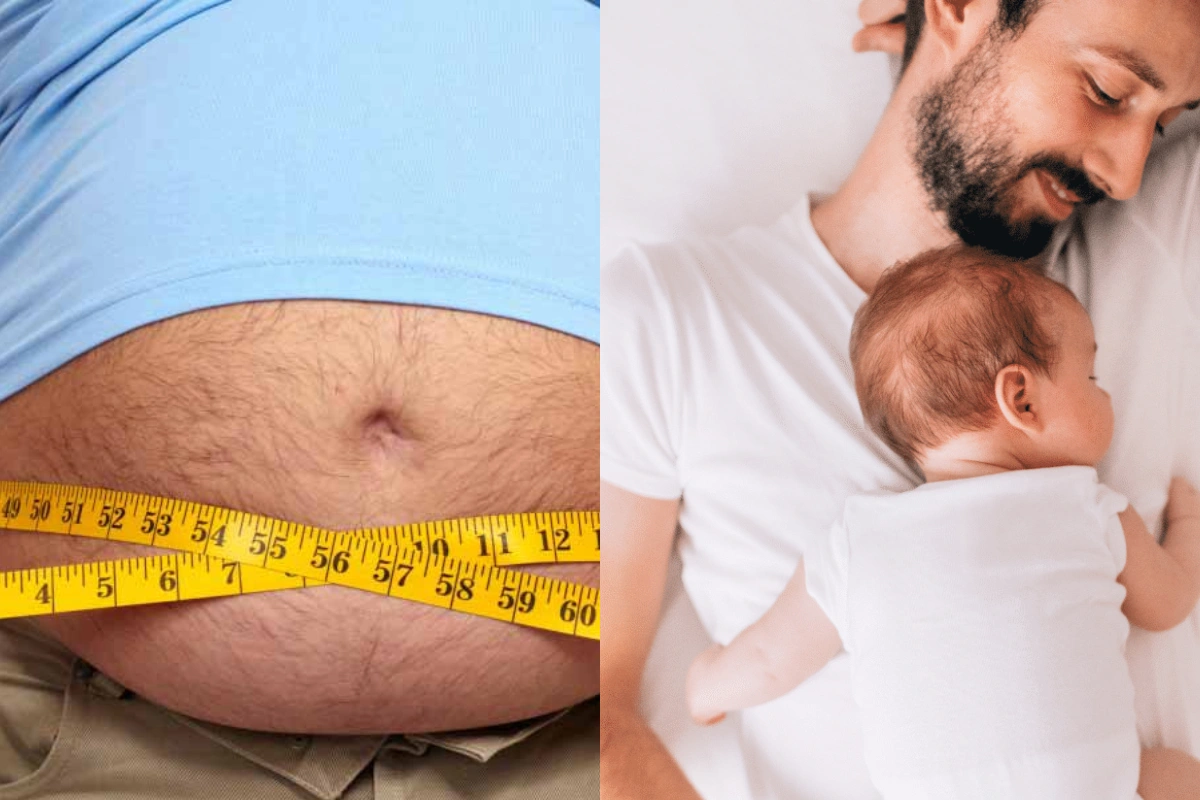
Low Testosterone: In modern men’s health, few issues are more ignored as the deep connection between belly fat, low levels of testosterone (low T) and fertility. In fact, several studies have revealed that there is a deep connection between body mass index and testosterone levels.
Low Testosterone And Obesity
Testosterone, the primary male sex hormone, is essential to regulate reproductive health, overall metabolic function, muscle mass and fat distribution. High body mass index (BMI) could result in hormonal imbalances that may eventually cause low T levels or obesity-induced hypogonadism.
DON'T MISS
Primarily driven by excessive adipose tissue, obesity-induced hypogonadism could result in elevated levels of adipokines like leptin to cause hypothalamic-pituitary-gonadal (HPG) axis disruptions. This, in turn, translates to insulin resistance that is characterized by hyperinsulinemia. It is responsible for reducing sex hormone-binding globulin (SHBG) levels to impact the availability of testosterone.
How Belly Fat Lowers Testosterone?
Belly Fat, especially visceral fat, behaves like an active endocrine organ, releasing hormones and inflammatory chemicals that disrupt the body’s balance. It affects the conversion of testosterone into estrogen. Fat tissue contains an enzyme called aromatase, which accelerates this conversion. The more abdominal fat a man carries, the more of the primary male sex hormone gets converted into estrogen, leading to a hormonal imbalance.
Research shows that men with obesity and low levels of testosterone often experience:
- Reduced sperm count
- Poor sperm motility (movement)
- Abnormal sperm morphology (shape)
To get started in the right direction, you should engage yourself in supervised strength training and resistance exercise, adequate sleep and stress management and medical evaluation when necessary. It is equally important for you to consume nutrient-dense, balanced diets (not extreme low-fat diets, which may reduce testosterone). Moreover, you should avoid processed and fried foods, anabolic androgenic steroids, alcohol, smoking and sedentary lifestyle.
Disclaimer: This content, including advice, provides general information only. It is not a substitute for a qualified medical opinion in any way. The methods and claims mentioned in this article should be considered as suggestions only; DNP India neither confirms nor denies them. Always consult a doctor before following any such suggestions/treatments/medications/diets.


