

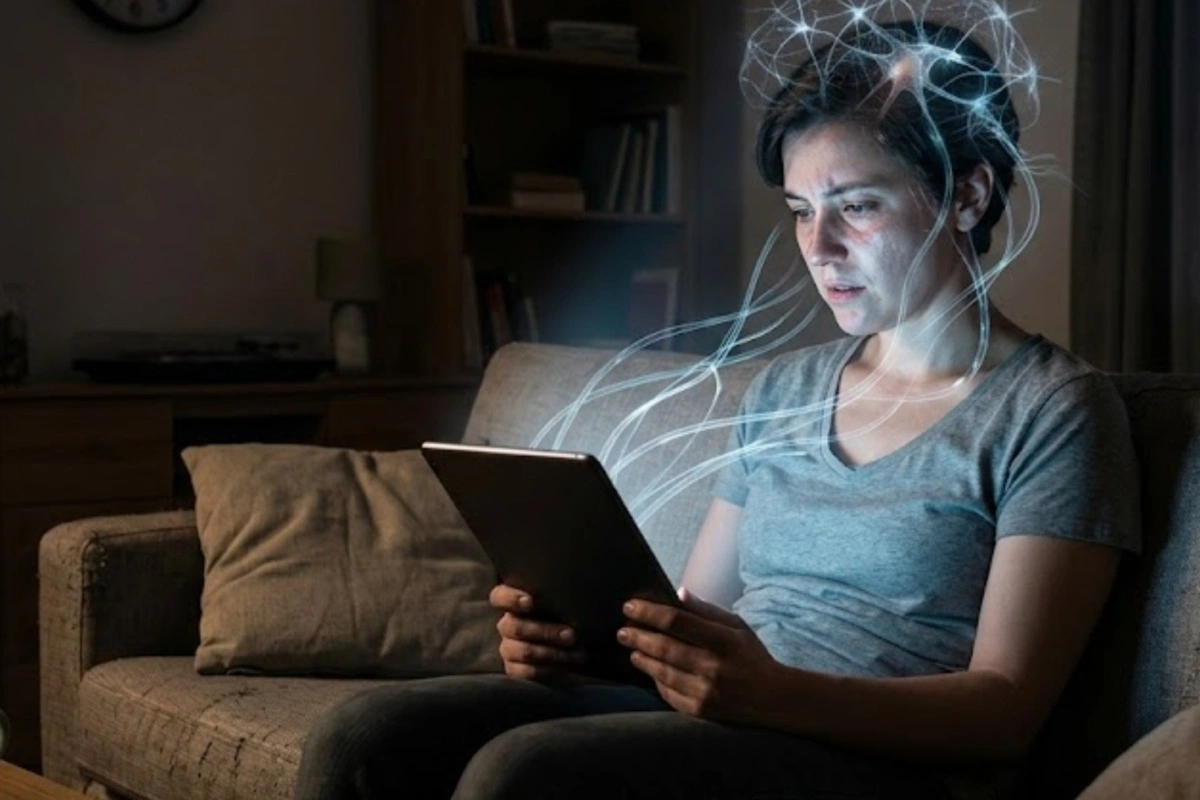
In today’s fast-paced life, many people turn to their phones to unwind after a long day. Scrolling through social media or watching videos feels like an easy way to relax. However, experts now say that screen time may be doing the exact opposite.
AIIMS doctor Priyanka Sehrawat shared an important message on Instagram, warning people about the hidden effects of screen usage. According to her, what we call “relaxation” is actually putting more pressure on the brain.
She explained, “You may think that watching your screen or mobile helps you relax, but you are actually doing the opposite to your brain. Screen time does not relax your brain at all. It keeps giving your brain constant inputs—every few seconds something changes. With so many different types of inputs, your brain cannot truly relax.”
Screen Time And Brain Health: What You Must Understand
The main issue with screen time is constant stimulation. Every scroll brings new content, and your brain has to process it quickly. This makes it harder for your mind to slow down.
According to the doctor, too much screen exposure, especially at night, can lead to:
- Anxiety and stress
- Depression
- Migraines and headaches
- Mental fatigue and burnout
She clearly said that if you want real relaxation, you need to step away from screens. Instead, she suggested healthier habits like breathing exercises and writing your thoughts.
She added, “If you really want to relax after a long and tiring day, you should try simple things like breathing exercises. You can also journal or write your thoughts down. These activities help calm your mind.”
Why Reducing It Is Important
Experts around the world have also raised similar concerns. According to the World Health Organisation, excessive screen use can impact both mental and physical health, especially when it affects sleep patterns.
When you use your phone late at night, the blue light from the screen can disturb your sleep cycle. Poor sleep then increases stress levels and affects your overall well-being.
Here are a few simple ways to reduce screen time:
- Avoid screens at least 30–60 minutes before sleep
- Set daily limits for mobile usage
- Replace scrolling with reading or light stretching
- Spend more time offline with family or hobbies
In the end, screen time is not always harmful, but balance is key. Your brain needs real rest, not constant stimulation. By making small changes in your daily routine, you can protect your mental health and feel more relaxed in the long run.


