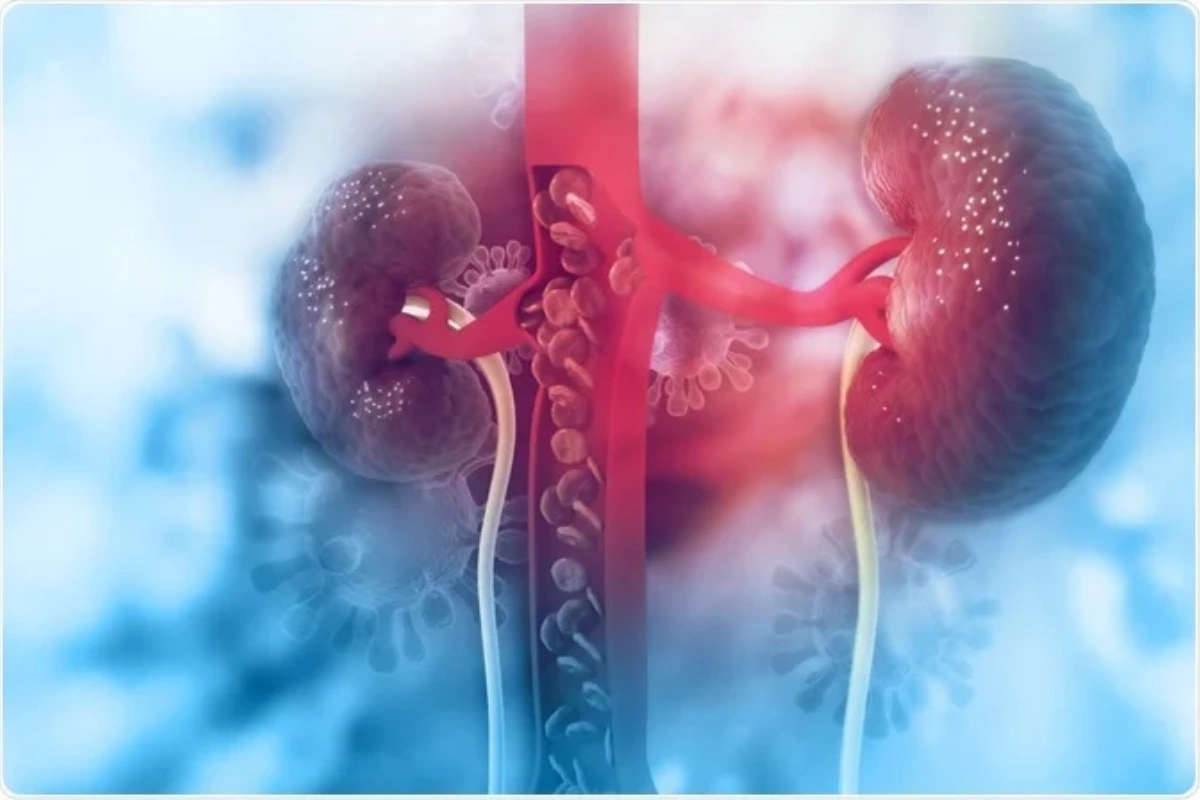
Uric Acid: Imagine your body as a silent factory, churning out uric acid (a harmless byproduct of purine breakdown) until the machinery jams one day. Crystals start to form like jagged shards in your joints that spark the fiery agony of gout or the stealthy torment of kidney stones.
Hyperuricemia or high uric acid is not just another lab number; it is a strong wake-up call that affects millions. It often lurks undetected until it strikes big time.
Health expert Dr. Priyanka Sehrawat, Neurologist and General Physician, MD Medicine and DM Neurology (AIIMS Delhi) and MBBS (Lady Harding Medical College, Delhi) shares her opinion on how to manage high uric acid.
Root Causes Exposed
Uric acid arises from purine-rich foods (meats, seafood) and natural cell turnover, but kidneys falter in excretion due to genetics (10-20% heritability), obesity (extra fat impairs filtration), insulin resistance, hypertension or diuretics like thiazides.
DON'T MISS
Beer and fructose-laden sodas supercharge production by overwhelming liver enzymes, while crash diets trigger massive cell death, flooding the bloodstream. Men face higher risks pre-50; women post-menopause as estrogen drops.
Warning Symptoms
Acute gout erupts as throbbing big toe pain – red, swollen, feverish – peaking at night, easing in 7-10 days. Chronic cases birth tophi nodules on elbows/ears. Some kidney red flags are lower back ache, dark urine, nausea. Fatigue or itchiness signal buildup. Uric acid levels >7 mg/dL in men, >6 in women demand action.
Foods To Shun
High-purine villains such as organ meats (liver, kidneys), sardines, anchovies, mussels, game, bacon and gravy should be avoided. Beef/pork, spinach, cauliflower, mushrooms and asparagus should be avoided. Sugary drinks, alcohol (beer worst) and yeast spreads must also be avoided.
Foods To Eat
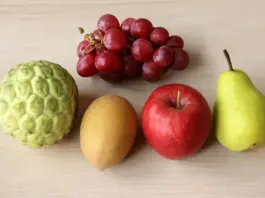
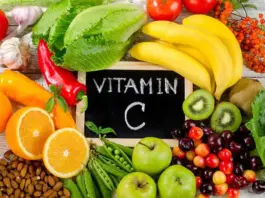
Low-purine allies include cherries (halves flares 35%), berries, citrus (vitamin C boosts clearance), low-fat dairy and coffee (daily cup lowers risk 40%). Ideally, you should embrace tofu, lentils (sparingly), oats, rice, potatoes, bell peppers, cucumbers. For hydration, you should consume at least 3-4 liters of water daily.
Engage yourself into 30 minutes of walk or yoga. Seek medical advice if you can use Allopurinol/Probenecid or Colchicine/NSAIDs for flares. Ideally, you should consume small meals to prevent uric acid spikes and prevent smoking.
Disclaimer: This content, including advice, provides general information only. It is not a substitute for a qualified medical opinion in any way. The methods and claims mentioned in this article should be considered as suggestions only; DNP India neither confirms nor denies them. Always consult a doctor before following any such suggestions/treatments/medications/diets.