

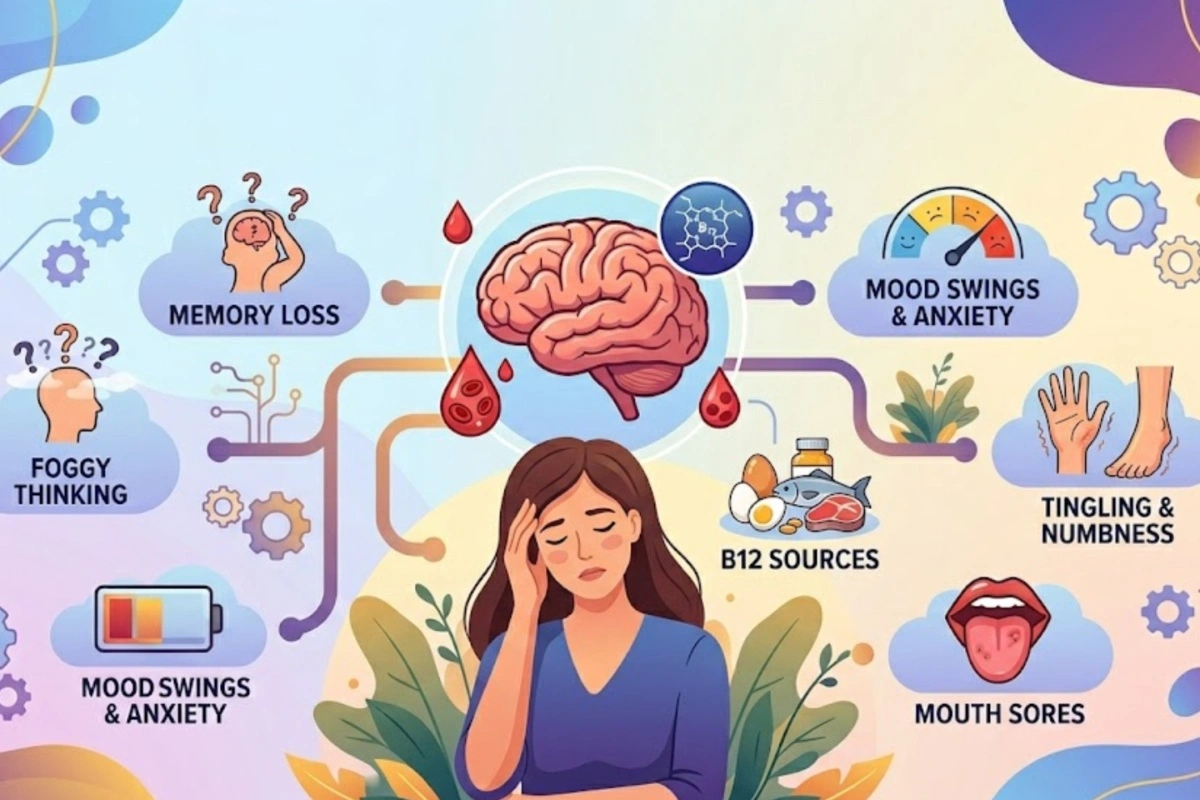
Many people focus on protein, carbs and fats when planning a healthy diet, but micronutrients are just as important. One crucial micronutrient that often goes unnoticed is vitamin B12. This water-soluble vitamin, which contains cobalt, plays a key role in the body’s overall health. Dr Shubham Vatsya, a gastroenterologist and hepatologist at Fortis Hospital in Vasant Kunj, Delhi, recently highlighted on Instagram how vitamin B12 deficiency is a growing concern among Indians. He emphasised not only its importance but also how to get enough through diet and supplements.
Why Vitamin B12 Deficiency Is A Serious Issue
Vitamin B12 deficiency is more common than many realise. Dr Vatsya points out that nearly half of the Indian population suffers from low levels of this nutrient, often without knowing it. The deficiency can affect the body in several ways:
- It is essential for the production of red blood cells (RBCs). Low B12 levels can reduce RBC production, leading to fatigue, weakness, pale skin, and shortness of breath.
- It is vital for DNA synthesis, which keeps cells healthy and functioning properly.
- It protects nerve cells by maintaining the myelin sheath. Without enough B12, people may experience tingling in arms and legs, numbness, mood swings, memory problems and even cognitive decline, including early dementia.
Dr Vatsya warns that ignoring these symptoms can worsen long-term health, making it crucial to recognise the signs and act promptly.
How to Ensure Adequate Vitamin B12 Intake
Getting enough vitamin B12 can be challenging, especially for vegetarians, as it is mostly found in animal-based foods. Key sources include:
- Eggs, milk and curd
- Fish, chicken and mutton
- Fortified foods or supplements for vegetarians
Other factors, like low stomach acid, ageing and alcohol consumption, can also contribute to vitamin B12 deficiency. Dr Vatsya advises testing B12 levels and consulting a doctor if deficiency symptoms appear. Proper intake can protect red blood cells and nerves, preventing long-term damage.
Vitamin B12 deficiency may quietly affect your energy, mood and memory. Awareness and early action are key to preventing serious health issues. Including B12-rich foods in your diet or taking supplements under medical guidance can help maintain overall well-being.


