

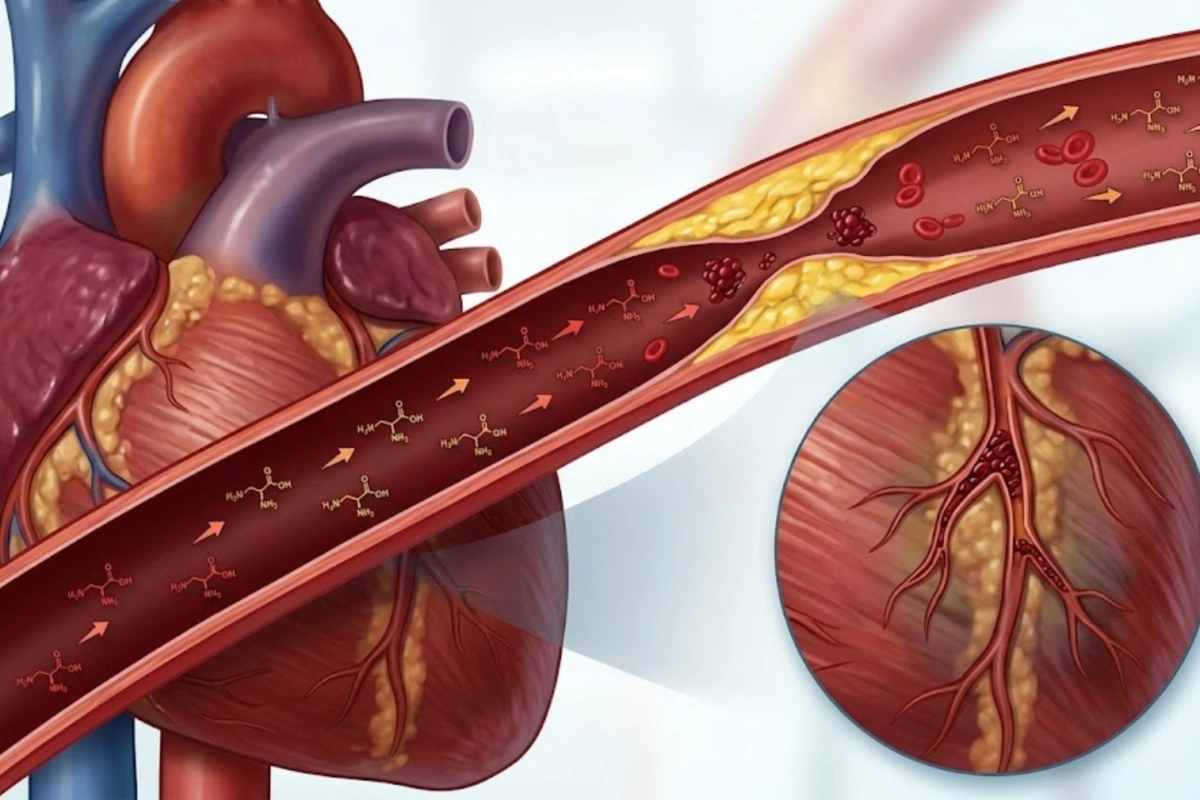
A new health warning from a doctor has brought attention to a little-known blood chemical that may increase the risk of a heart attack if its levels rise in the body. The condition often develops silently, without clear early symptoms, which makes it more concerning for people with existing lifestyle risk factors. Doctors say simple tests and early awareness can help reduce complications.
According to AIIMS doctor Priyanka Sehrawat, shared in an Instagram video, a molecule called homocysteine plays an important role in blood clotting. This chemical can be measured through a blood test. When its level increases, the risk of clot formation in blood vessels also goes up, which can lead to serious heart-related problems over time, including a heart attack.
Why Homocysteine Levels Matter for Heart Attack Risk
As explained by the doctor, the body needs nutrients like Vitamin B12 and folic acid to break down homocysteine properly. These vitamins help convert it into useful substances. However, when there is a deficiency, homocysteine is not processed efficiently and starts accumulating in the blood.
This buildup can slowly increase clotting tendency. Over time, it may raise the chances of blocked arteries and cardiovascular complications. The risk becomes even higher for people already dealing with health issues such as:
High blood pressure
Diabetes
Obesity
Smoking habits
Doctors warn that ignoring these factors can silently increase the chances of a heart attack, especially if homocysteine levels remain unchecked.
How To Reduce Risk And Stay Safe
As per the AIIMS doctor’s advice, the first step is testing homocysteine levels if risk factors are present. If levels are high, improving nutrition becomes important.
Simple preventive steps include:
Checking Vitamin B12 and folic acid levels regularly
Eating a balanced diet rich in leafy vegetables and fruits
Reducing smoking and unhealthy lifestyle habits
Consulting a doctor for proper supplementation if needed
The doctor also highlights that fruit juices are not a good option for people at risk, as they can quickly spike sugar levels, indirectly affecting heart health.
Maintaining nutrient balance and early testing can significantly reduce complications. Experts say that prevention is key when it comes to a heart attack, especially when hidden factors like homocysteine are involved.


