

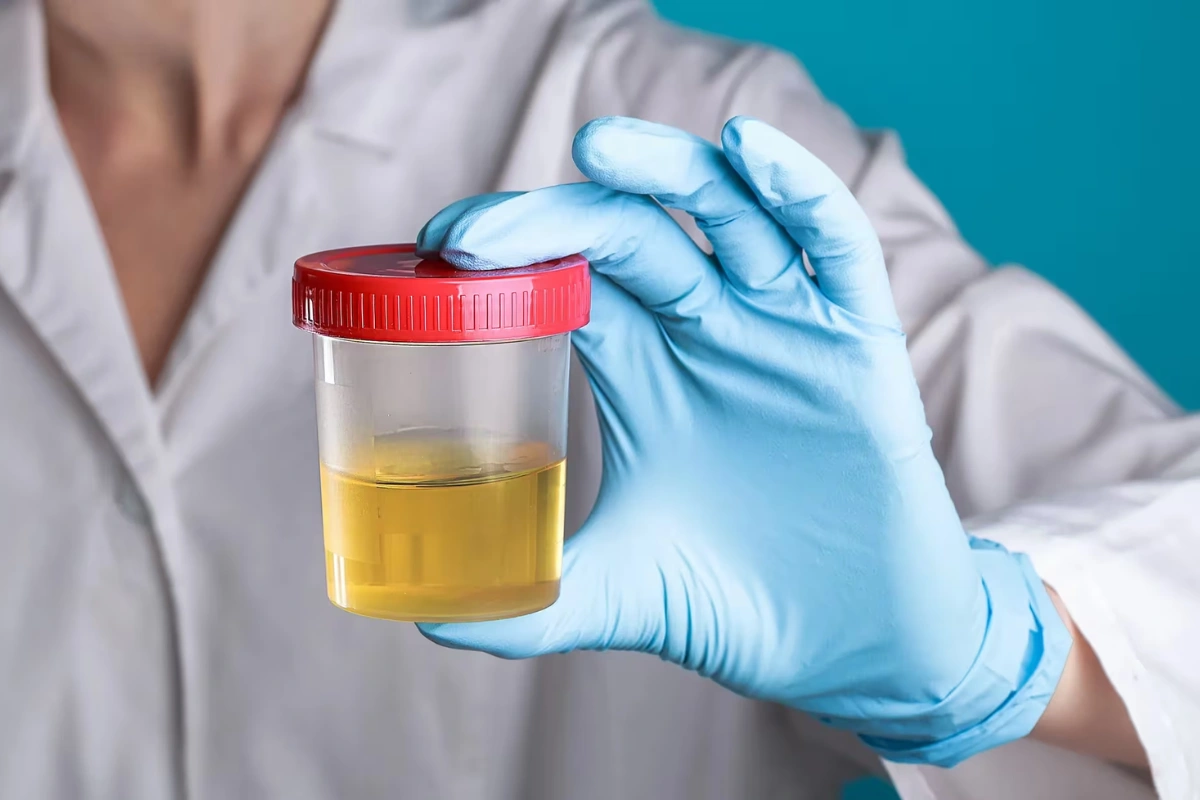

Foamy Urine: For most of us, foamy urine is a sign of the force of urination or dehydration. However, this is surely not the case as persistent foamy urine could be an early warning sign of kidney dysfunction. Therefore, it is important that persistent foamy urine should never be ignored. Early medical intervention and progressive treatment are highly recommended under the supervision of a qualified medical practitioner.
What Exactly Is Foamy Urine?
Foamy Urine refers to urine that appears unusually foamy, frothy or bubbly in the toilet bowl, resembling soap suds. While occasional bubbles on urination are completely common because of concentrated urine or rapid urination speed, persistent foamy urine that doesn’t dissipate quickly on its own could be clinically significant, suggesting protein leakage in urine (proteinuria).
Why Do the Kidneys Matter Here?
Our kidneys are highly specialized organs that are responsible to filter waste products, toxins and excess fluids from the bloodstream while retaining essential nutrients and proteins. However, this filtration may get hampered when the microscopic units (glomeruli) through which they pass get damaged, resulting in the loss of proteins such as albumin into the urine.
DON'T MISS
Causes Of Foamy Urine
Common causes include:
- Proteinuria caused by conditions like hypertensive nephropathy, diabetic kidney disease, chronic kidney disease or glomerulonephritis.
- Urinary tract infections may alter the composition of urine in the body, accompanied by urgency, burning or foul odour.
- Concentrated urine due to acute dehydration may result in temporary foamy urine.
- Foaminess in urine may also be a cause due to the semen entering the bladder or due to other symptoms such as infertility or dry ejaculation.
- Excessive consumption of high-protein foods or supplements may cause protein excretion.
When Should You Be Concerned?
Persistent foaminess of urine over several days or weeks, unexplained fatigue, high blood pressure, blood in urine, reduced urine output or swelling in the face, legs or around the eyes are red flags that deserve immediate medical intervention.
Diagnostic Approach
Contact your medical practitioner for a complete evaluation. This may include urine routine examination, blood tests to evaluation serum creatinine and estimated glomerular filtration rate (eGFR), urine Albumin-to-Creatinine Ratio (ACR), kidney ultrasound, autoimmune markers, kidney biopsy or specialized imaging depending on suspected cause may be advised.
Disclaimer: This content, including advice, provides general information only. It is not a substitute for a qualified medical opinion in any way. The methods and claims mentioned in this article should be considered as suggestions only; DNP India neither confirms nor denies them. Always consult a doctor before following any such suggestions/treatments/medications/diets.