

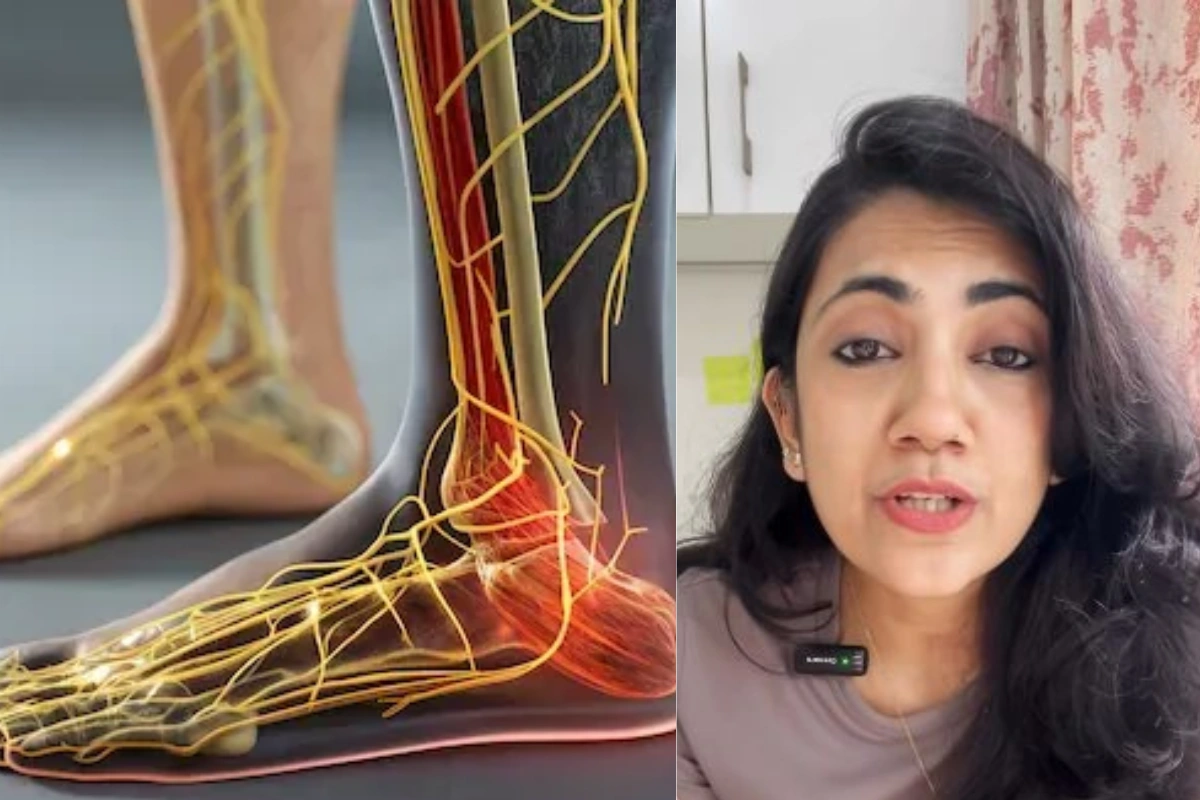
Restless Leg Syndrome: Also known as Willis-Ekbom disease, Restless Leg Syndrome (RLS) is believed to affect 5-10 percent of the world population to varying degrees. For some, the health complication is an occasional night-time nuisance; for others, it becomes a chronic condition that disrupts sleep, impacts mental health and reduces quality of life. Despite its prevalence, RLS often goes undiagnosed because its early warning signs are subtle and frequently dismissed as simple restlessness, stress or fatigue.
Warning Signs Of Restless Leg Syndrome
A persistent urge to move the legs, especially during period of rest or at night, is a classic warning sign of Restless Leg Syndrome. Many individuals describe it as a creeping, crawling, tingling, or pulling sensation deep within the legs.
DON'T MISS
- Persistent urge to move the legs
- Unpleasant sensations (tingling, crawling, itching, pulling)
- Symptoms worsen during rest or inactivity
- Partial or temporary relief with movement (walking, stretching)
- Increased severity during evening or night-time
- Difficulty falling or staying asleep
- Daytime fatigue, irritability, or reduced concentration
What is Restless Leg Syndrome?
It can be described as a neurological sensory-motor disorder that is generally characterized by an uncontrollable urge to move the legs, typically accompanied by uncomfortable sensations. These symptoms tend to worsen in the evening or at night, making sleep particularly difficult.
Who is at Increased Risk?
Certain individuals are more susceptible to developing Restless Leg Syndrome:
- Women, particularly during pregnancy
- Individuals with iron deficiency or anaemia
- People with chronic kidney disease
- Those with diabetes or peripheral neuropathy
- People with a family history of RLS
- Individuals experiencing chronic stress or poor sleep hygiene
- Those with gut health issues, including poor nutrient absorption
How To Manage Restless Leg Syndrome?
- Focus on iron (leafy greens, lentils, lean meats), magnesium (nuts, seeds, whole grains) and Vitamin B12 as well as folate.
- Include probiotic-rich foods like yogurt and fermented vegetables, increase fibre intake to support microbiome balance and avoid ultra-processed foods that promote inflammation.
- Maintain a consistent sleep schedule, avoid screens at least one hour before bedtime and create a cool, dark and quiet sleep environment.
Disclaimer: This content, including advice, provides general information only. It is not a substitute for a qualified medical opinion in any way. The methods and claims mentioned in this article should be considered as suggestions only; DNP India neither confirms nor denies them. Always consult a doctor before following any such suggestions/treatments/medications/diets.




%20is%20believed%20to%20affect%205-10%20percent%20of%20the%20world%20population%20to%20varying%20degrees.)